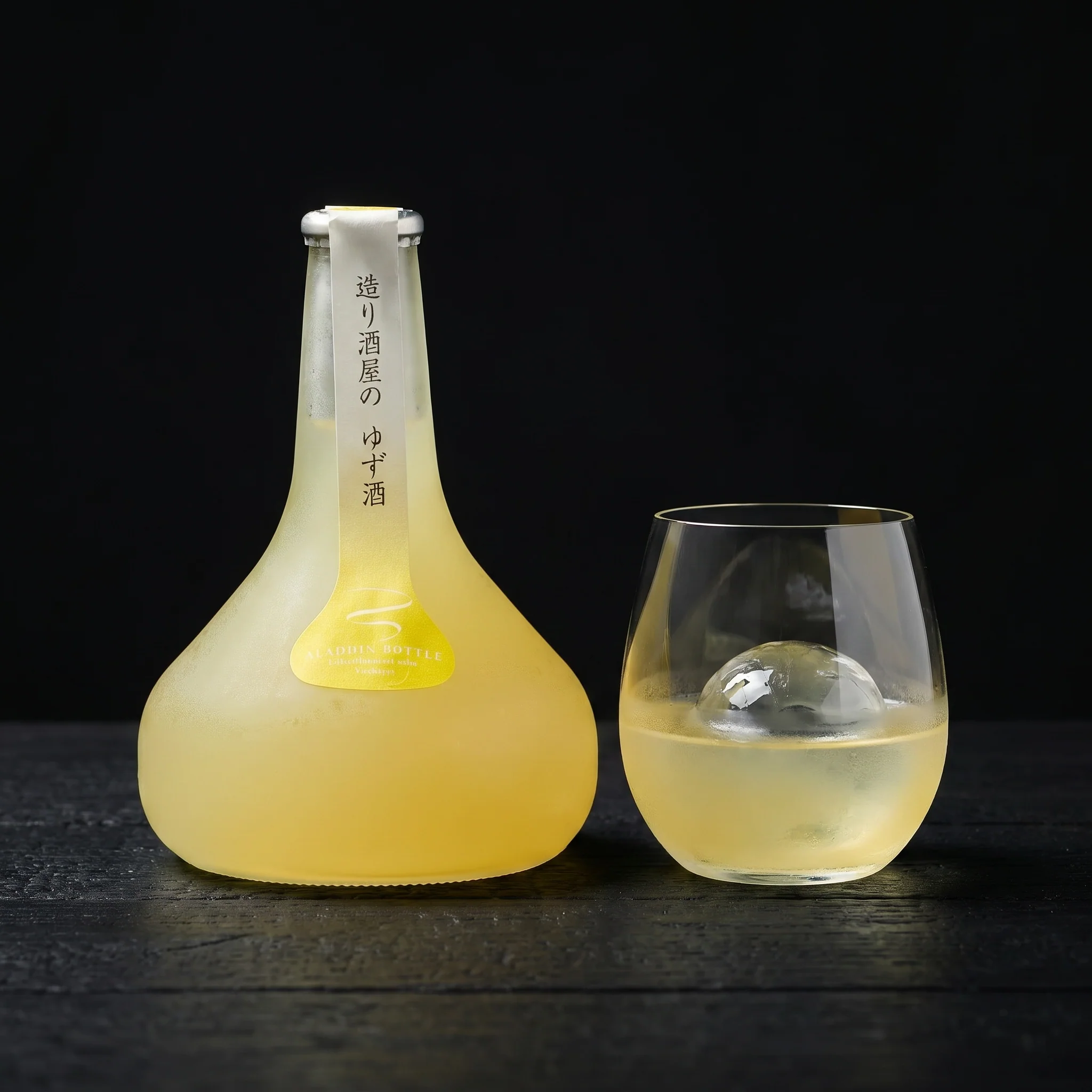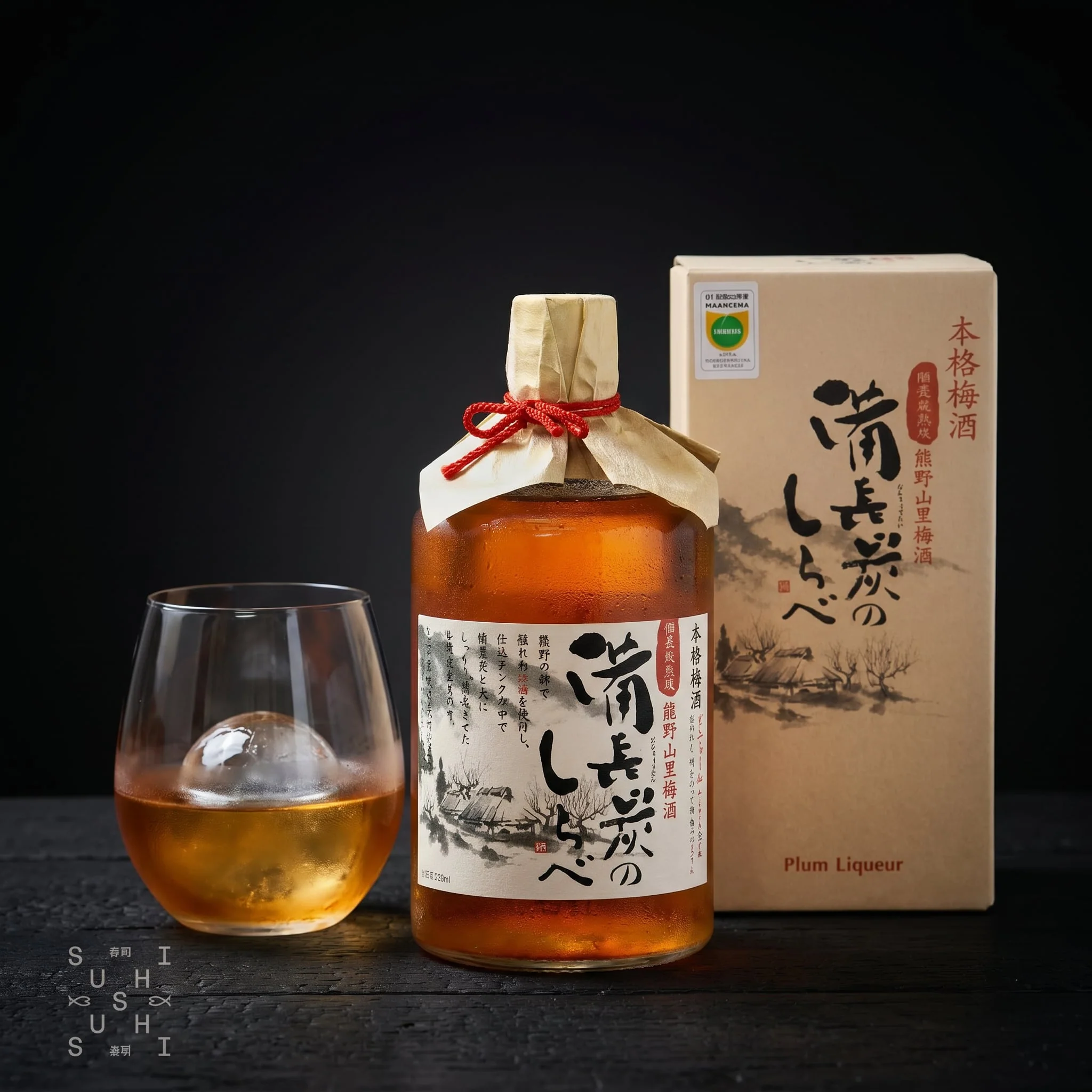
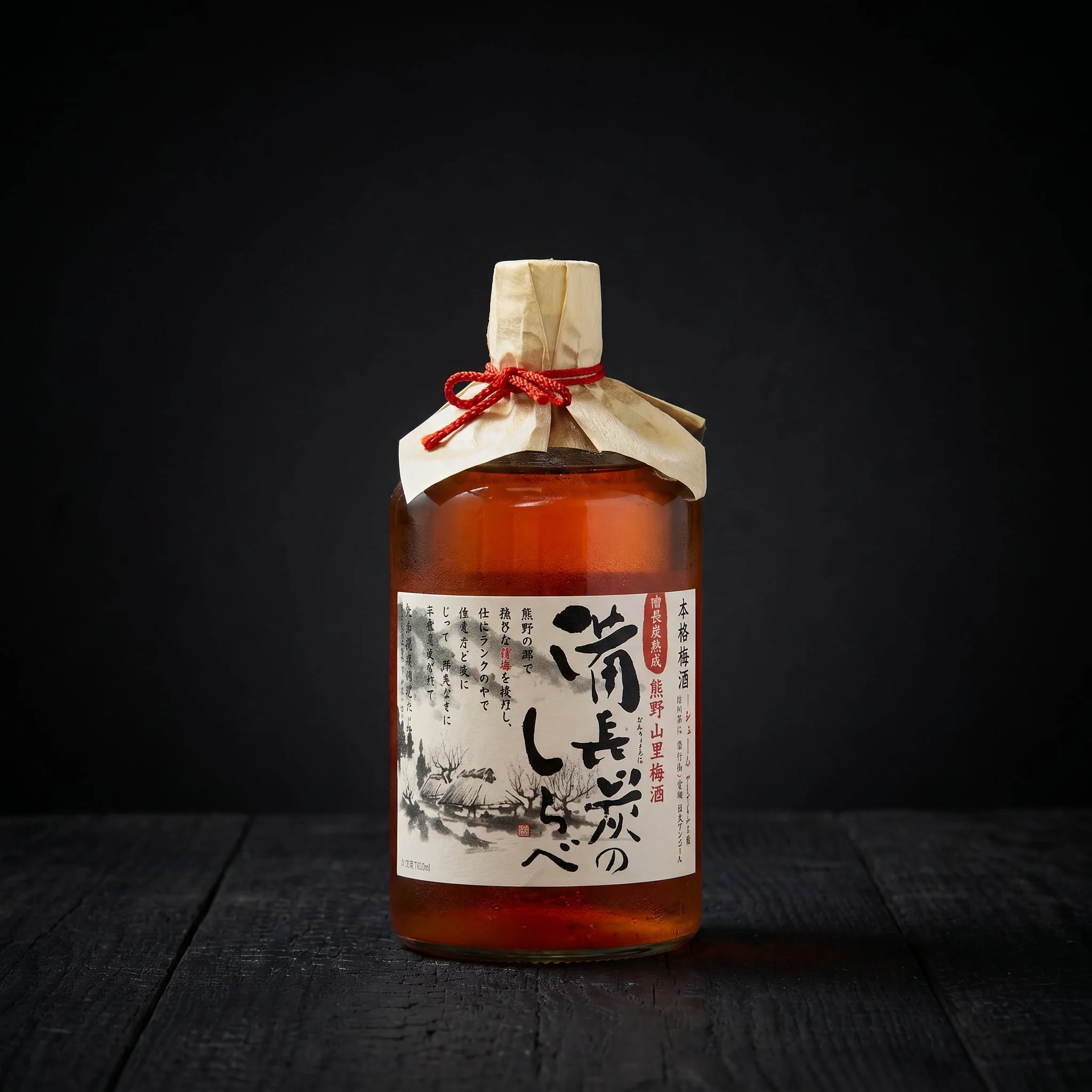
Ozaki, Binchotan-Filtered Umeshu, 720ml
Plum Liqueur From Japan's Ume Country, Mellowed Over Charcoal
Umeshu is Japan's plum liqueur, and Wakayama is where the best of it begins, the prefecture that grows the country's finest ume and is also the home of Kishu binchotan charcoal. Ozaki Shuzo, one of Wakayama's oldest breweries, brings the two together: a rich, rounded umeshu filtered over binchotan, which smooths and clarifies it into something cleaner and more refined than the syrupy norm. It took Platinum in the plum-wine category at the 2023 Kura Master awards. The 720ml bottle suits a drinks list or an after-dinner pour.
Why Chefs Choose This
- Charcoal-filtered and clean: binchotan filtering rounds off the heaviness, giving a smoother, more refined umeshu than the usual sticky-sweet style
- From Wakayama ume country: made where Japan's best plums and its finest charcoal both come from, by a brewery dating to 1869
- Award-winning: Platinum in the plum-wine category at the 2023 Kura Master, a serious mark for a Japanese drink
- Versatile pour: works neat over ice, lengthened with soda, or as the base of a cocktail, on a list or after dinner
How to Serve
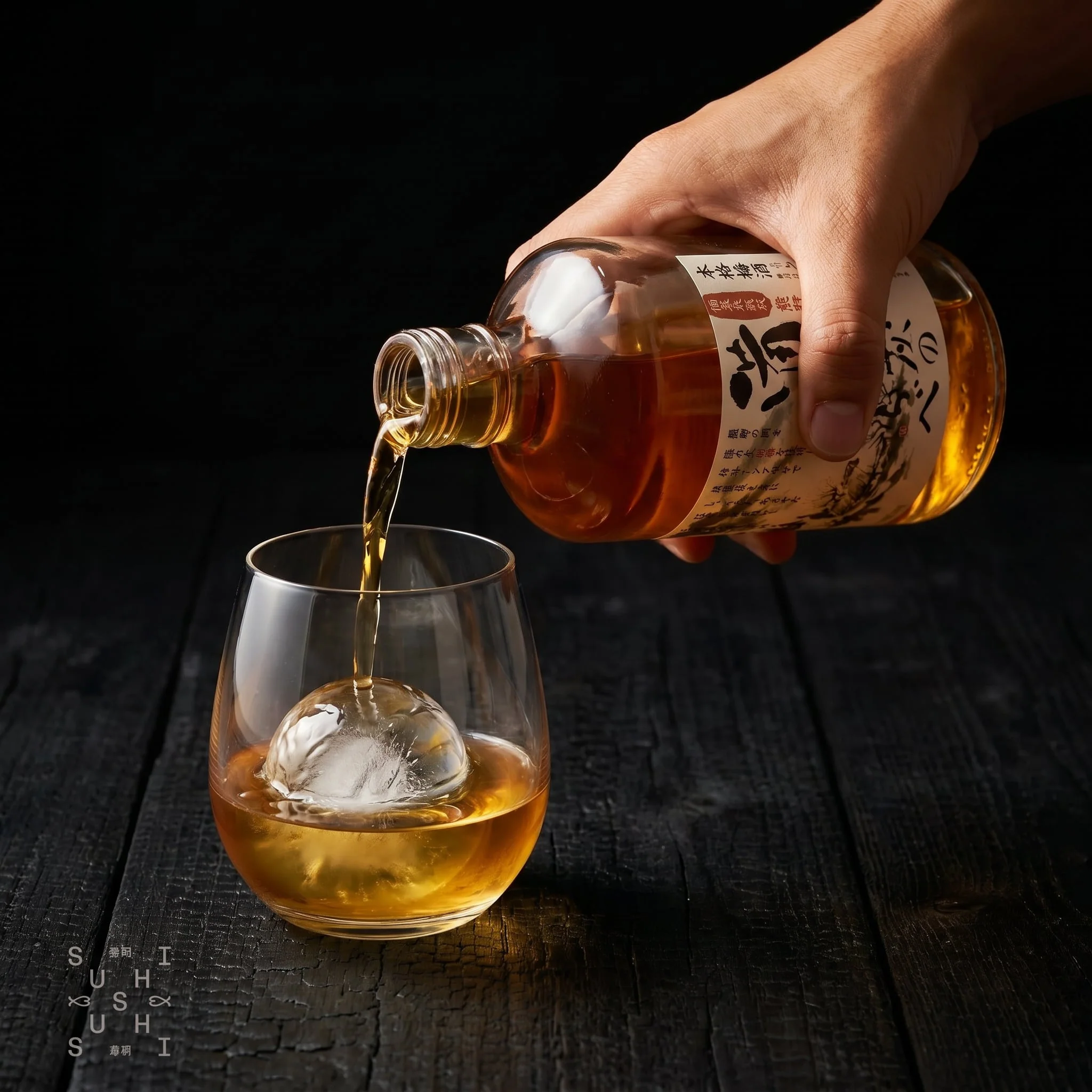
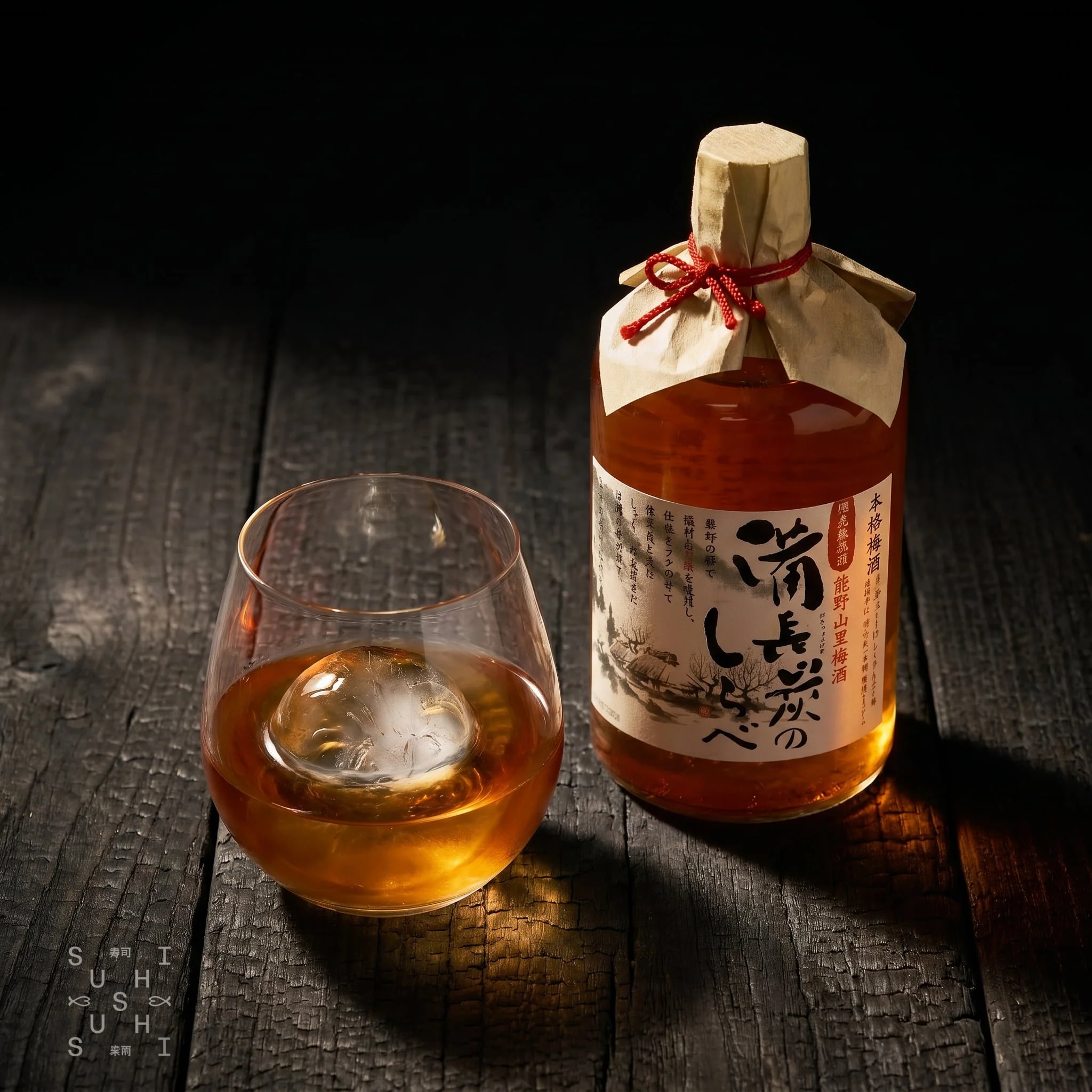
- On the rocks: the classic serve, over a large cube so it opens up without watering down too fast
- With soda: umeshu soda is long, refreshing and lower in strength, good as an aperitif
- After dinner: chilled and neat as a digestif, its sweet-tart plum sitting well after a meal
- In cocktails: a ready-made base of fruit, acidity and sweetness for a Japanese twist on a sour or spritz
梅酒 — Umeshu, and why Wakayama
Umeshu (梅酒) is made by steeping ume, the Japanese plum, in spirit with sugar, which draws out a sweet-tart fruit flavour with a characteristic almond note from the stones. Wakayama, the old province of Kishu on the Kii peninsula, is the centre of it all: the Nanko ume grown there is regarded as Japan's finest plum, and the same region is the home of Kishu binchotan, the dense white charcoal prized for grilling and for filtering. Ozaki Shuzo, founded in 1869, draws on both, finishing this umeshu over binchotan so the charcoal strips away the heavier, cloying edge and leaves a cleaner, more elegant drink. It is a local pairing of plum and charcoal that only Wakayama could really make.
For a different style or a larger bottle, the Hakutsuru Kishu Umeshu is another Wakayama option.
What does umeshu taste like?
Sweet and tart at once, with the flavour of ripe plum and apricot and a faint almond note that comes from the fruit's stone. A typical umeshu can be quite syrupy; this one is rounder and cleaner, the charcoal filtering taking the edge off the sweetness so the fruit and acidity come through more clearly. Served cold over ice it is bright and refreshing; neat it is fuller and more liqueur-like. It is approachable for anyone, including drinkers who do not usually reach for sake, which is part of why umeshu travels so well onto a Western drinks list.
Product Details
| Type | Umeshu (梅酒), Japanese plum liqueur |
| Brand | Ozaki Shuzo (est. 1869) |
| Origin | Wakayama, Japan |
| Process | Filtered over binchotan charcoal |
| Awards | Kura Master 2023, Plum Wine category, Platinum |
| Volume | 720ml |
| Best Served | Chilled, on the rocks, or with soda |
What is umeshu?
Umeshu is a Japanese liqueur made by steeping ume, the Japanese plum, in a spirit with sugar. The result is sweet and tart, with a clear plum and apricot character and a gentle almond note from the stones. It is usually lower in strength than spirits and easy to drink, served over ice, with soda or as a digestif. Wakayama, where this one is made, is the most celebrated region for the ume that go into it.
How should you serve umeshu?
Cold is best. The classic serve is on the rocks, over a large piece of ice so it dilutes slowly; lengthened with soda it becomes a refreshing aperitif; and chilled and neat it works as an after-dinner digestif. It also makes an excellent cocktail base, bringing fruit, sweetness and acidity in one. There is no need to warm it. For a larger format or a second style on the list, see our Hakutsuru Kishu Umeshu.
What does the binchotan filtering do?
Binchotan is a dense Japanese white charcoal, and Wakayama's Kishu binchotan is the benchmark. Passing the umeshu over charcoal acts as a fine filter: it strips out some of the heavier, cloying compounds and rounds the drink off, leaving it cleaner and more refined than an unfiltered umeshu, with the plum fruit and acidity coming through more clearly. It is a local touch, since the same region that grows the plums also produces the charcoal.
More Images
Ozaki, Binchotan-Filtered Umeshu, 720ml
Plum Liqueur From Japan's Ume Country, Mellowed Over Charcoal
Umeshu is Japan's plum liqueur, and Wakayama is where the best of it begins, the prefecture that grows the country's finest ume and is also the home of Kishu binchotan charcoal. Ozaki Shuzo, one of Wakayama's oldest breweries, brings the two together: a rich, rounded umeshu filtered over binchotan, which smooths and clarifies it into something cleaner and more refined than the syrupy norm. It took Platinum in the plum-wine category at the 2023 Kura Master awards. The 720ml bottle suits a drinks list or an after-dinner pour.
Why Chefs Choose This
- Charcoal-filtered and clean: binchotan filtering rounds off the heaviness, giving a smoother, more refined umeshu than the usual sticky-sweet style
- From Wakayama ume country: made where Japan's best plums and its finest charcoal both come from, by a brewery dating to 1869
- Award-winning: Platinum in the plum-wine category at the 2023 Kura Master, a serious mark for a Japanese drink
- Versatile pour: works neat over ice, lengthened with soda, or as the base of a cocktail, on a list or after dinner
How to Serve
- On the rocks: the classic serve, over a large cube so it opens up without watering down too fast
- With soda: umeshu soda is long, refreshing and lower in strength, good as an aperitif
- After dinner: chilled and neat as a digestif, its sweet-tart plum sitting well after a meal
- In cocktails: a ready-made base of fruit, acidity and sweetness for a Japanese twist on a sour or spritz
梅酒 — Umeshu, and why Wakayama
Umeshu (梅酒) is made by steeping ume, the Japanese plum, in spirit with sugar, which draws out a sweet-tart fruit flavour with a characteristic almond note from the stones. Wakayama, the old province of Kishu on the Kii peninsula, is the centre of it all: the Nanko ume grown there is regarded as Japan's finest plum, and the same region is the home of Kishu binchotan, the dense white charcoal prized for grilling and for filtering. Ozaki Shuzo, founded in 1869, draws on both, finishing this umeshu over binchotan so the charcoal strips away the heavier, cloying edge and leaves a cleaner, more elegant drink. It is a local pairing of plum and charcoal that only Wakayama could really make.
For a different style or a larger bottle, the Hakutsuru Kishu Umeshu is another Wakayama option.
What does umeshu taste like?
Sweet and tart at once, with the flavour of ripe plum and apricot and a faint almond note that comes from the fruit's stone. A typical umeshu can be quite syrupy; this one is rounder and cleaner, the charcoal filtering taking the edge off the sweetness so the fruit and acidity come through more clearly. Served cold over ice it is bright and refreshing; neat it is fuller and more liqueur-like. It is approachable for anyone, including drinkers who do not usually reach for sake, which is part of why umeshu travels so well onto a Western drinks list.
Product Details
| Type | Umeshu (梅酒), Japanese plum liqueur |
| Brand | Ozaki Shuzo (est. 1869) |
| Origin | Wakayama, Japan |
| Process | Filtered over binchotan charcoal |
| Awards | Kura Master 2023, Plum Wine category, Platinum |
| Volume | 720ml |
| Best Served | Chilled, on the rocks, or with soda |
What is umeshu?
Umeshu is a Japanese liqueur made by steeping ume, the Japanese plum, in a spirit with sugar. The result is sweet and tart, with a clear plum and apricot character and a gentle almond note from the stones. It is usually lower in strength than spirits and easy to drink, served over ice, with soda or as a digestif. Wakayama, where this one is made, is the most celebrated region for the ume that go into it.
How should you serve umeshu?
Cold is best. The classic serve is on the rocks, over a large piece of ice so it dilutes slowly; lengthened with soda it becomes a refreshing aperitif; and chilled and neat it works as an after-dinner digestif. It also makes an excellent cocktail base, bringing fruit, sweetness and acidity in one. There is no need to warm it. For a larger format or a second style on the list, see our Hakutsuru Kishu Umeshu.
What does the binchotan filtering do?
Binchotan is a dense Japanese white charcoal, and Wakayama's Kishu binchotan is the benchmark. Passing the umeshu over charcoal acts as a fine filter: it strips out some of the heavier, cloying compounds and rounds the drink off, leaving it cleaner and more refined than an unfiltered umeshu, with the plum fruit and acidity coming through more clearly. It is a local touch, since the same region that grows the plums also produces the charcoal.
Product Information
Product Information
Shipping & Returns
Shipping & Returns
Description
Plum Liqueur From Japan's Ume Country, Mellowed Over Charcoal
Umeshu is Japan's plum liqueur, and Wakayama is where the best of it begins, the prefecture that grows the country's finest ume and is also the home of Kishu binchotan charcoal. Ozaki Shuzo, one of Wakayama's oldest breweries, brings the two together: a rich, rounded umeshu filtered over binchotan, which smooths and clarifies it into something cleaner and more refined than the syrupy norm. It took Platinum in the plum-wine category at the 2023 Kura Master awards. The 720ml bottle suits a drinks list or an after-dinner pour.
Why Chefs Choose This
- Charcoal-filtered and clean: binchotan filtering rounds off the heaviness, giving a smoother, more refined umeshu than the usual sticky-sweet style
- From Wakayama ume country: made where Japan's best plums and its finest charcoal both come from, by a brewery dating to 1869
- Award-winning: Platinum in the plum-wine category at the 2023 Kura Master, a serious mark for a Japanese drink
- Versatile pour: works neat over ice, lengthened with soda, or as the base of a cocktail, on a list or after dinner
How to Serve
- On the rocks: the classic serve, over a large cube so it opens up without watering down too fast
- With soda: umeshu soda is long, refreshing and lower in strength, good as an aperitif
- After dinner: chilled and neat as a digestif, its sweet-tart plum sitting well after a meal
- In cocktails: a ready-made base of fruit, acidity and sweetness for a Japanese twist on a sour or spritz
梅酒 — Umeshu, and why Wakayama
Umeshu (梅酒) is made by steeping ume, the Japanese plum, in spirit with sugar, which draws out a sweet-tart fruit flavour with a characteristic almond note from the stones. Wakayama, the old province of Kishu on the Kii peninsula, is the centre of it all: the Nanko ume grown there is regarded as Japan's finest plum, and the same region is the home of Kishu binchotan, the dense white charcoal prized for grilling and for filtering. Ozaki Shuzo, founded in 1869, draws on both, finishing this umeshu over binchotan so the charcoal strips away the heavier, cloying edge and leaves a cleaner, more elegant drink. It is a local pairing of plum and charcoal that only Wakayama could really make.
For a different style or a larger bottle, the Hakutsuru Kishu Umeshu is another Wakayama option.
What does umeshu taste like?
Sweet and tart at once, with the flavour of ripe plum and apricot and a faint almond note that comes from the fruit's stone. A typical umeshu can be quite syrupy; this one is rounder and cleaner, the charcoal filtering taking the edge off the sweetness so the fruit and acidity come through more clearly. Served cold over ice it is bright and refreshing; neat it is fuller and more liqueur-like. It is approachable for anyone, including drinkers who do not usually reach for sake, which is part of why umeshu travels so well onto a Western drinks list.
Product Details
| Type | Umeshu (梅酒), Japanese plum liqueur |
| Brand | Ozaki Shuzo (est. 1869) |
| Origin | Wakayama, Japan |
| Process | Filtered over binchotan charcoal |
| Awards | Kura Master 2023, Plum Wine category, Platinum |
| Volume | 720ml |
| Best Served | Chilled, on the rocks, or with soda |
What is umeshu?
Umeshu is a Japanese liqueur made by steeping ume, the Japanese plum, in a spirit with sugar. The result is sweet and tart, with a clear plum and apricot character and a gentle almond note from the stones. It is usually lower in strength than spirits and easy to drink, served over ice, with soda or as a digestif. Wakayama, where this one is made, is the most celebrated region for the ume that go into it.
How should you serve umeshu?
Cold is best. The classic serve is on the rocks, over a large piece of ice so it dilutes slowly; lengthened with soda it becomes a refreshing aperitif; and chilled and neat it works as an after-dinner digestif. It also makes an excellent cocktail base, bringing fruit, sweetness and acidity in one. There is no need to warm it. For a larger format or a second style on the list, see our Hakutsuru Kishu Umeshu.
What does the binchotan filtering do?
Binchotan is a dense Japanese white charcoal, and Wakayama's Kishu binchotan is the benchmark. Passing the umeshu over charcoal acts as a fine filter: it strips out some of the heavier, cloying compounds and rounds the drink off, leaving it cleaner and more refined than an unfiltered umeshu, with the plum fruit and acidity coming through more clearly. It is a local touch, since the same region that grows the plums also produces the charcoal.