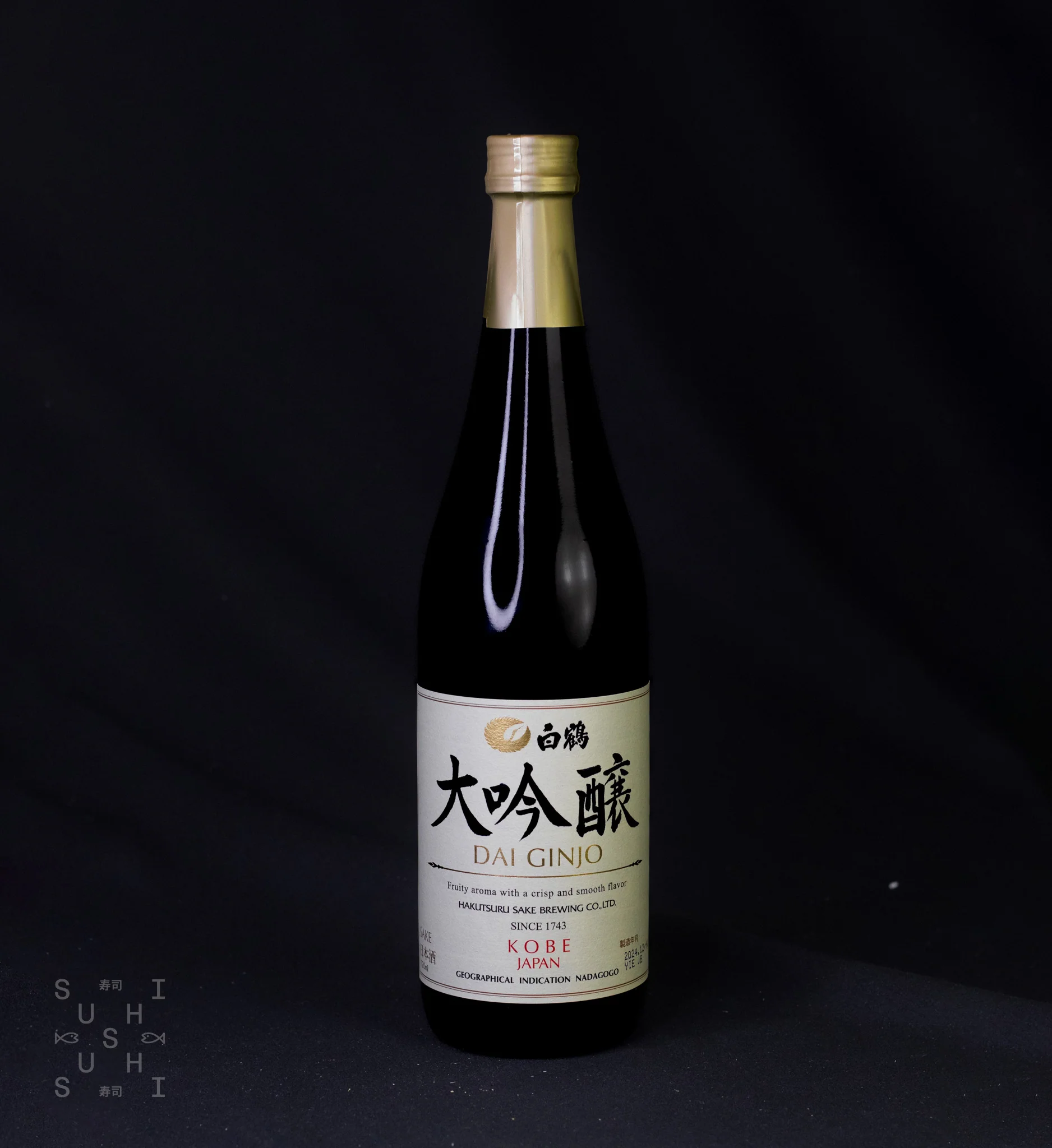
Hakutsuru, Daiginjo, 720ml
Light, Fragrant and Crisp — Daiginjo Made for Easy Drinking
Daiginjo is the top polishing grade, the rice milled to 50% for a clean, fragrant style, and this Hakutsuru is the more delicate, easy-drinking expression of it. A whisper of brewing alcohol is added to lighten the body and lift the aroma, giving melon and pear notes, delicate floral aromatics and a crisp, refreshing finish. At 15.5% from the 1743 Nada brewery, it is an elegant, approachable introduction to premium sake, lovely chilled.
Why Sommeliers Choose This
- Top polishing grade: daiginjo, rice milled to 50% for a clean, fragrant character
- Light and crisp: a touch of added brewing alcohol lifts the aroma and keeps the body elegant and refreshing
- Fruit and flowers: melon and pear with delicate floral aromatics and a clean finish
- Hakutsuru pedigree: from Nada, Kobe, the home of fine sake, by a house founded in 1743
How to Serve
- Lightly chilled: serve at 10–15°C to keep the aromatics fresh and the finish crisp
- Wine glass: a tulip glass shows the melon and pear better than a small cup
- Avoid heat: warming flattens the delicate fragrance, so keep it cool
- An easy aperitif: light enough to open a meal, clean enough to drink through lighter dishes
大吟醸 — Daiginjo, and the role of added alcohol
Daiginjo (大吟醸) means the rice has been polished to at least 50% of its original size, the most demanding milling grade, then fermented long and cool to develop fragrant, fruity aromatics. Unlike a junmai daiginjo, a straight daiginjo has a small, carefully judged amount of distilled brewing alcohol added near the end of fermentation. Far from cheapening it, this is a deliberate stylistic choice: the alcohol draws out aroma compounds and lightens the body, giving a cleaner, more fragrant and more delicate sake. Hakutsuru has practised this craft in Nada since 1743, in a district famed for its hard water, premium rice and centuries of toji tradition.
Learn more: The SushiSushi Guide to Hakutsuru Sake
Is daiginjo with added alcohol lower quality than junmai daiginjo?
No, just different. Both daiginjo and junmai daiginjo polish the rice to at least 50%, so both sit at the top milling grade. The difference is that junmai uses only rice, water and koji, while a daiginjo adds a small measured amount of brewing alcohol to lighten the body and amplify the aromatics. Junmai daiginjo tends to be a touch richer and rounder; daiginjo tends to be lighter, crisper and more overtly fragrant. Neither is better; it comes down to the style you want. This one is the lighter, more aromatic and very approachable side of premium sake.
Product Details
| Grade | 大吟醸 — Daiginjo |
| Brand | Hakutsuru (白鶴), founded 1743 |
| Rice Polish | 50% |
| ABV | 15.5% |
| Sake Meter Value | +3 (off-dry) |
| Acidity | 1.3 |
| Volume | 720ml |
| Serve | Lightly chilled, 10–15°C |
| Origin | Nada, Kobe, Japan |
What does Sake Meter Value (+3) mean?
Sake Meter Value, or nihonshu-do, is a rough measure of dryness. Positive numbers lean dry, negative numbers lean sweet, with zero around the middle. At +3 this daiginjo sits just on the dry side, off-dry rather than bone dry, which keeps it crisp and refreshing while still showing its fruit. It is a useful guide rather than the whole story, since acidity and aroma also shape how sweet or dry a sake actually tastes.
What temperature should I serve it at?
Lightly chilled, around 10–15°C. Like all daiginjo, its appeal is in the aromatics, so gentle chilling keeps the melon, pear and floral notes fresh and the finish crisp. Do not warm it, which dulls the fragrance. A wine glass helps the aroma open. Take it from the fridge a few minutes before serving so it is cool rather than ice-cold.
How should I store it?
Keep it cool and out of direct light, ideally refrigerated, particularly once opened. Premium daiginjo is delicate and its aromatics fade with heat and light. Stand the bottle upright, and once opened enjoy it within a week or two while the fragrance is at its best. Unopened and kept cold, it holds well for several months.
Original: $61.67
-65%$61.67
$21.58Hakutsuru, Daiginjo, 720ml
Light, Fragrant and Crisp — Daiginjo Made for Easy Drinking
Daiginjo is the top polishing grade, the rice milled to 50% for a clean, fragrant style, and this Hakutsuru is the more delicate, easy-drinking expression of it. A whisper of brewing alcohol is added to lighten the body and lift the aroma, giving melon and pear notes, delicate floral aromatics and a crisp, refreshing finish. At 15.5% from the 1743 Nada brewery, it is an elegant, approachable introduction to premium sake, lovely chilled.
Why Sommeliers Choose This
- Top polishing grade: daiginjo, rice milled to 50% for a clean, fragrant character
- Light and crisp: a touch of added brewing alcohol lifts the aroma and keeps the body elegant and refreshing
- Fruit and flowers: melon and pear with delicate floral aromatics and a clean finish
- Hakutsuru pedigree: from Nada, Kobe, the home of fine sake, by a house founded in 1743
How to Serve
- Lightly chilled: serve at 10–15°C to keep the aromatics fresh and the finish crisp
- Wine glass: a tulip glass shows the melon and pear better than a small cup
- Avoid heat: warming flattens the delicate fragrance, so keep it cool
- An easy aperitif: light enough to open a meal, clean enough to drink through lighter dishes
大吟醸 — Daiginjo, and the role of added alcohol
Daiginjo (大吟醸) means the rice has been polished to at least 50% of its original size, the most demanding milling grade, then fermented long and cool to develop fragrant, fruity aromatics. Unlike a junmai daiginjo, a straight daiginjo has a small, carefully judged amount of distilled brewing alcohol added near the end of fermentation. Far from cheapening it, this is a deliberate stylistic choice: the alcohol draws out aroma compounds and lightens the body, giving a cleaner, more fragrant and more delicate sake. Hakutsuru has practised this craft in Nada since 1743, in a district famed for its hard water, premium rice and centuries of toji tradition.
Learn more: The SushiSushi Guide to Hakutsuru Sake
Is daiginjo with added alcohol lower quality than junmai daiginjo?
No, just different. Both daiginjo and junmai daiginjo polish the rice to at least 50%, so both sit at the top milling grade. The difference is that junmai uses only rice, water and koji, while a daiginjo adds a small measured amount of brewing alcohol to lighten the body and amplify the aromatics. Junmai daiginjo tends to be a touch richer and rounder; daiginjo tends to be lighter, crisper and more overtly fragrant. Neither is better; it comes down to the style you want. This one is the lighter, more aromatic and very approachable side of premium sake.
Product Details
| Grade | 大吟醸 — Daiginjo |
| Brand | Hakutsuru (白鶴), founded 1743 |
| Rice Polish | 50% |
| ABV | 15.5% |
| Sake Meter Value | +3 (off-dry) |
| Acidity | 1.3 |
| Volume | 720ml |
| Serve | Lightly chilled, 10–15°C |
| Origin | Nada, Kobe, Japan |
What does Sake Meter Value (+3) mean?
Sake Meter Value, or nihonshu-do, is a rough measure of dryness. Positive numbers lean dry, negative numbers lean sweet, with zero around the middle. At +3 this daiginjo sits just on the dry side, off-dry rather than bone dry, which keeps it crisp and refreshing while still showing its fruit. It is a useful guide rather than the whole story, since acidity and aroma also shape how sweet or dry a sake actually tastes.
What temperature should I serve it at?
Lightly chilled, around 10–15°C. Like all daiginjo, its appeal is in the aromatics, so gentle chilling keeps the melon, pear and floral notes fresh and the finish crisp. Do not warm it, which dulls the fragrance. A wine glass helps the aroma open. Take it from the fridge a few minutes before serving so it is cool rather than ice-cold.
How should I store it?
Keep it cool and out of direct light, ideally refrigerated, particularly once opened. Premium daiginjo is delicate and its aromatics fade with heat and light. Stand the bottle upright, and once opened enjoy it within a week or two while the fragrance is at its best. Unopened and kept cold, it holds well for several months.
Product Information
Product Information
Shipping & Returns
Shipping & Returns
Description
Light, Fragrant and Crisp — Daiginjo Made for Easy Drinking
Daiginjo is the top polishing grade, the rice milled to 50% for a clean, fragrant style, and this Hakutsuru is the more delicate, easy-drinking expression of it. A whisper of brewing alcohol is added to lighten the body and lift the aroma, giving melon and pear notes, delicate floral aromatics and a crisp, refreshing finish. At 15.5% from the 1743 Nada brewery, it is an elegant, approachable introduction to premium sake, lovely chilled.
Why Sommeliers Choose This
- Top polishing grade: daiginjo, rice milled to 50% for a clean, fragrant character
- Light and crisp: a touch of added brewing alcohol lifts the aroma and keeps the body elegant and refreshing
- Fruit and flowers: melon and pear with delicate floral aromatics and a clean finish
- Hakutsuru pedigree: from Nada, Kobe, the home of fine sake, by a house founded in 1743
How to Serve
- Lightly chilled: serve at 10–15°C to keep the aromatics fresh and the finish crisp
- Wine glass: a tulip glass shows the melon and pear better than a small cup
- Avoid heat: warming flattens the delicate fragrance, so keep it cool
- An easy aperitif: light enough to open a meal, clean enough to drink through lighter dishes
大吟醸 — Daiginjo, and the role of added alcohol
Daiginjo (大吟醸) means the rice has been polished to at least 50% of its original size, the most demanding milling grade, then fermented long and cool to develop fragrant, fruity aromatics. Unlike a junmai daiginjo, a straight daiginjo has a small, carefully judged amount of distilled brewing alcohol added near the end of fermentation. Far from cheapening it, this is a deliberate stylistic choice: the alcohol draws out aroma compounds and lightens the body, giving a cleaner, more fragrant and more delicate sake. Hakutsuru has practised this craft in Nada since 1743, in a district famed for its hard water, premium rice and centuries of toji tradition.
Learn more: The SushiSushi Guide to Hakutsuru Sake
Is daiginjo with added alcohol lower quality than junmai daiginjo?
No, just different. Both daiginjo and junmai daiginjo polish the rice to at least 50%, so both sit at the top milling grade. The difference is that junmai uses only rice, water and koji, while a daiginjo adds a small measured amount of brewing alcohol to lighten the body and amplify the aromatics. Junmai daiginjo tends to be a touch richer and rounder; daiginjo tends to be lighter, crisper and more overtly fragrant. Neither is better; it comes down to the style you want. This one is the lighter, more aromatic and very approachable side of premium sake.
Product Details
| Grade | 大吟醸 — Daiginjo |
| Brand | Hakutsuru (白鶴), founded 1743 |
| Rice Polish | 50% |
| ABV | 15.5% |
| Sake Meter Value | +3 (off-dry) |
| Acidity | 1.3 |
| Volume | 720ml |
| Serve | Lightly chilled, 10–15°C |
| Origin | Nada, Kobe, Japan |
What does Sake Meter Value (+3) mean?
Sake Meter Value, or nihonshu-do, is a rough measure of dryness. Positive numbers lean dry, negative numbers lean sweet, with zero around the middle. At +3 this daiginjo sits just on the dry side, off-dry rather than bone dry, which keeps it crisp and refreshing while still showing its fruit. It is a useful guide rather than the whole story, since acidity and aroma also shape how sweet or dry a sake actually tastes.
What temperature should I serve it at?
Lightly chilled, around 10–15°C. Like all daiginjo, its appeal is in the aromatics, so gentle chilling keeps the melon, pear and floral notes fresh and the finish crisp. Do not warm it, which dulls the fragrance. A wine glass helps the aroma open. Take it from the fridge a few minutes before serving so it is cool rather than ice-cold.
How should I store it?
Keep it cool and out of direct light, ideally refrigerated, particularly once opened. Premium daiginjo is delicate and its aromatics fade with heat and light. Stand the bottle upright, and once opened enjoy it within a week or two while the fragrance is at its best. Unopened and kept cold, it holds well for several months.