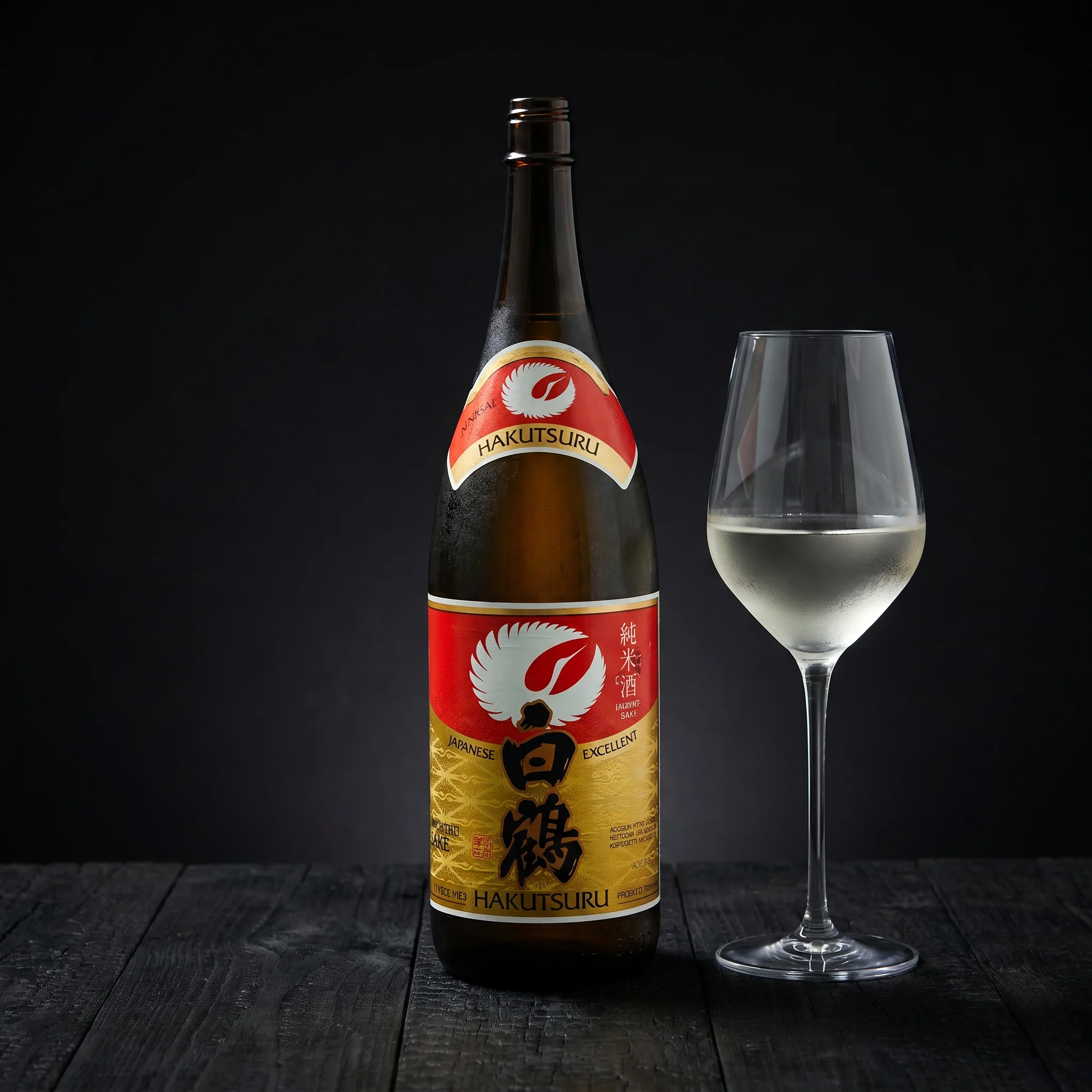
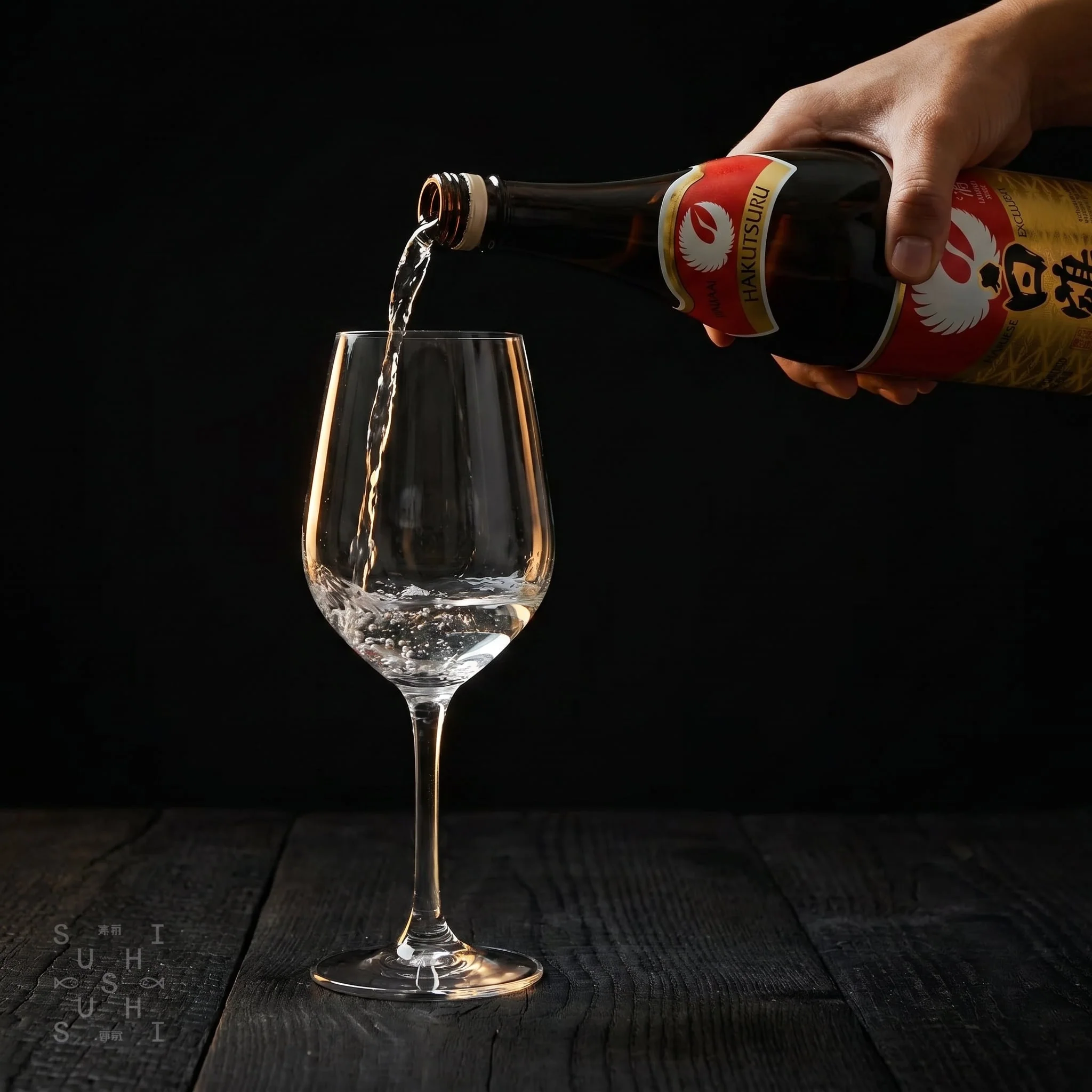
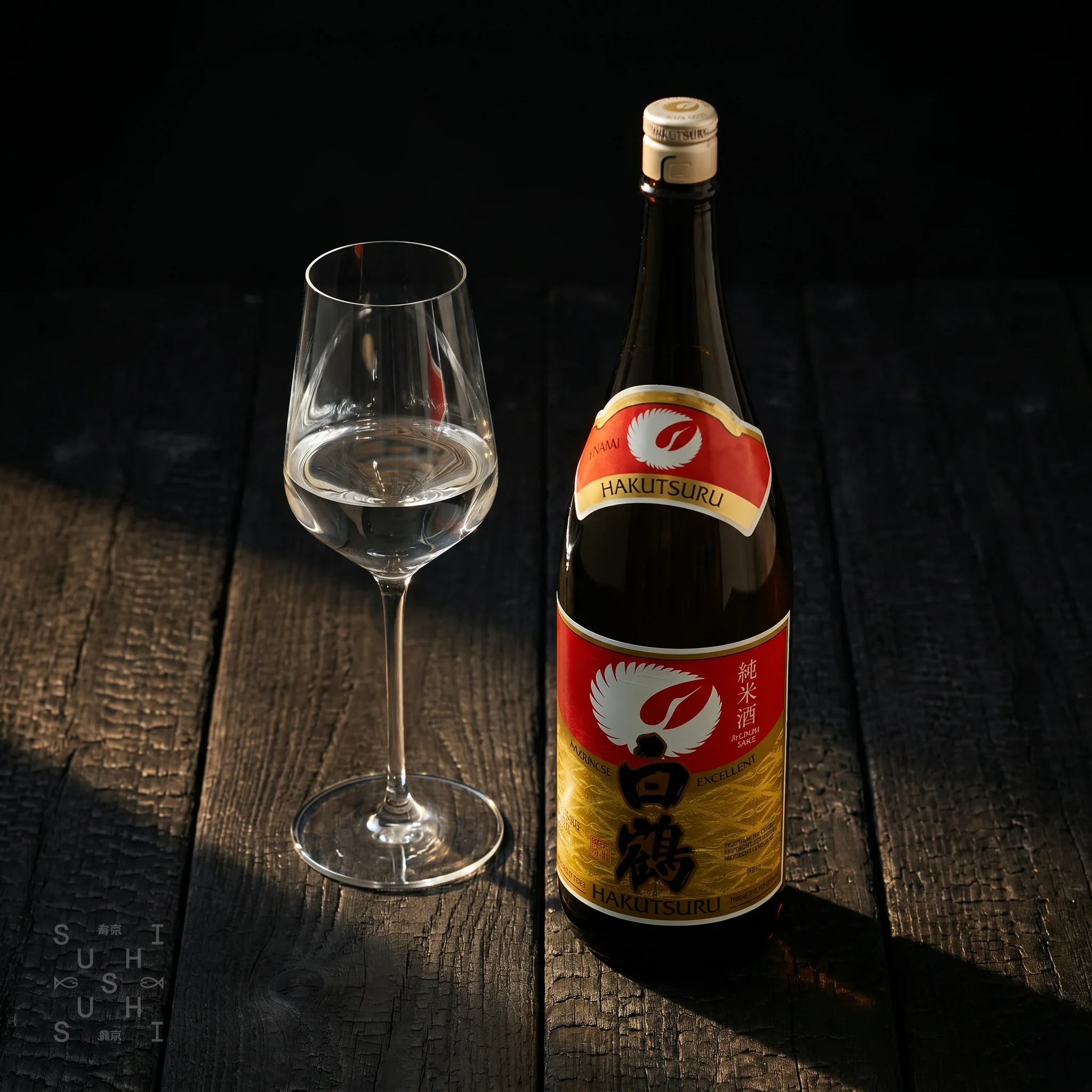
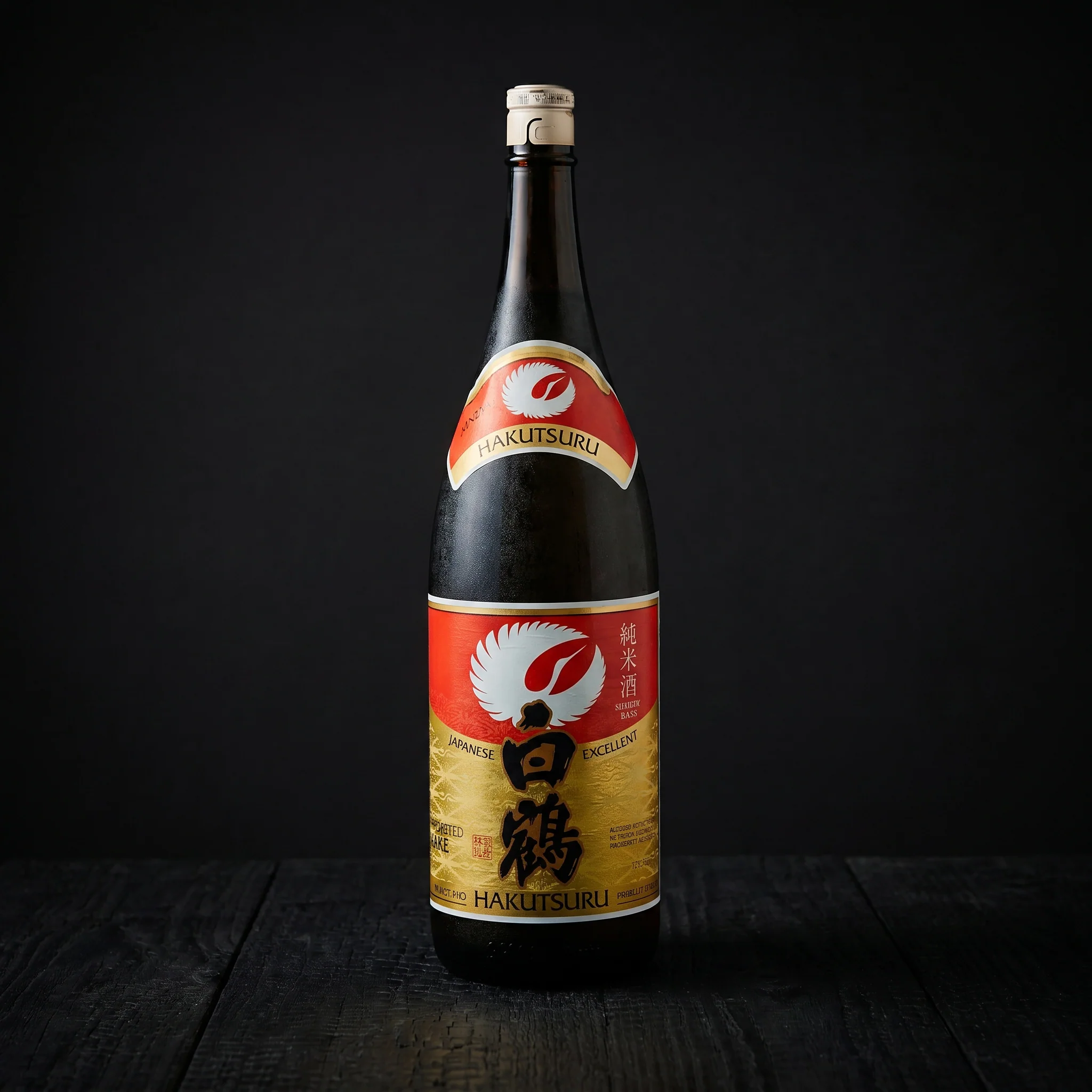
Hakutsuru, Excellent Junmai, 1800ml
The Everyday Junmai Workhorse, in a Full 1.8L
Not every sake is a delicate daiginjo to be sipped cold, and a kitchen needs a dependable everyday junmai as much as a special bottle. This is it. Hakutsuru Excellent Junmai is pure rice, robust and savoury, with toasted-cereal depth, a natural rice sweetness and a clean dry finish. Crucially it is versatile: serve it chilled in summer or gently warmed in winter, both suit it. The 1.8L bottle is the value format for a busy bar, restaurant or anyone who drinks sake regularly.
Need a smaller format? The same sake is available in the 720ml bottle. For a single-serve option, try the Hakutsuru Josen one-cup (200ml).
Why Chefs Choose This
- Pure-rice junmai: made with only rice, water and koji, with the savoury depth a junmai gives
- Robust and food-friendly: toasted cereal, natural rice sweetness and a dry finish that stands up to flavourful food
- Serve hot or cold: equally good chilled or warmed, the mark of a true everyday sake
- Value format: a full 1.8L (isshobin) for a busy list or regular drinking
How to Serve
- Chilled: 5–15°C for a clean, refreshing pour
- Warmed (kan): 30–50°C to bring out the rounded, savoury rice character
- With food: pairs with sea urchin, stir-fried greens and miso-marinated fish
- House pour: robust enough to drink through a meal rather than just as an aperitif
純米 — Junmai, and the everyday sake that holds the table together
Junmai (純米, "pure rice") sake is made with only rice, water and koji, with no distilled alcohol added, which tends to give a fuller, more savoury and rice-driven character than lighter, more aromatic styles. Where a fragrant daiginjo wants to be sipped cool and slow, a sturdy junmai like this is the everyday sake of the Japanese table, equally at home chilled in warm weather or warmed to kan in the cold, and able to stand alongside strongly flavoured food. Hakutsuru has brewed in Nada, Kobe since 1743, and this is the dependable, well-priced expression of that long tradition.
Learn more: The SushiSushi Guide to Hakutsuru Sake
Can you serve junmai sake warm?
Yes, and a robust junmai like this one is exactly the style that rewards it. Warming sake (kan) to around 30–50°C softens the texture and brings out its rounded, savoury, rice-forward character, which is why hearty junmai is the traditional choice for warm service while delicate, aromatic daiginjo is usually kept cold. The same bottle also drinks well chilled for a cleaner, fresher pour, so you can serve it cold in summer and warm in winter. Warm it gently in a hot water bath rather than a microwave for an even result.
Product Details
| Grade | 純米 — Junmai |
| Brand | Hakutsuru (白鶴), founded 1743 |
| Rice Polish | 70% |
| ABV | 15% |
| Sake Meter Value | +4 (dry) |
| Acidity | 1.7 |
| Volume | 1800ml (isshobin) |
| Serve | Chilled (5–15°C) or warmed (30–50°C) |
| Origin | Nada, Kobe, Japan |
What does junmai taste like compared to ginjo?
Junmai tends to be fuller, more savoury and more rice-driven, with less of the overt fruity aroma of a ginjo or daiginjo. This Excellent Junmai shows toasted-cereal depth, a natural rice sweetness and a dry finish. Where a ginjo leans fragrant and delicate, a junmai leans robust and food-friendly, which is why it is the classic everyday and warm-service style. Both have their place; this is the one for the table rather than the tasting glass.
What food pairs with this sake?
Its savoury depth and dry finish suit richly flavoured Japanese dishes: sea urchin, stir-fried greens such as water spinach, and miso-marinated grilled fish are natural matches. More broadly it works with grilled and braised dishes, salty and umami-rich food, and anything you would want a dry, structured drink alongside. Warmed, it is especially good with hot winter food; chilled, it cuts through richer plates.
How should I store a 1.8L bottle once opened?
Keep it cool and out of direct light, and refrigerate once opened. A junmai is more robust than a delicate daiginjo, so it holds its character for a couple of weeks after opening if kept cold and tightly closed, though it is always freshest soon after opening. For a 1.8L bottle in a busy setting that is rarely an issue. Stand it upright and re-seal firmly between pours.
Original: $67.03
-65%$67.03
$23.46More Images
Hakutsuru, Excellent Junmai, 1800ml
The Everyday Junmai Workhorse, in a Full 1.8L
Not every sake is a delicate daiginjo to be sipped cold, and a kitchen needs a dependable everyday junmai as much as a special bottle. This is it. Hakutsuru Excellent Junmai is pure rice, robust and savoury, with toasted-cereal depth, a natural rice sweetness and a clean dry finish. Crucially it is versatile: serve it chilled in summer or gently warmed in winter, both suit it. The 1.8L bottle is the value format for a busy bar, restaurant or anyone who drinks sake regularly.
Need a smaller format? The same sake is available in the 720ml bottle. For a single-serve option, try the Hakutsuru Josen one-cup (200ml).
Why Chefs Choose This
- Pure-rice junmai: made with only rice, water and koji, with the savoury depth a junmai gives
- Robust and food-friendly: toasted cereal, natural rice sweetness and a dry finish that stands up to flavourful food
- Serve hot or cold: equally good chilled or warmed, the mark of a true everyday sake
- Value format: a full 1.8L (isshobin) for a busy list or regular drinking
How to Serve
- Chilled: 5–15°C for a clean, refreshing pour
- Warmed (kan): 30–50°C to bring out the rounded, savoury rice character
- With food: pairs with sea urchin, stir-fried greens and miso-marinated fish
- House pour: robust enough to drink through a meal rather than just as an aperitif
純米 — Junmai, and the everyday sake that holds the table together
Junmai (純米, "pure rice") sake is made with only rice, water and koji, with no distilled alcohol added, which tends to give a fuller, more savoury and rice-driven character than lighter, more aromatic styles. Where a fragrant daiginjo wants to be sipped cool and slow, a sturdy junmai like this is the everyday sake of the Japanese table, equally at home chilled in warm weather or warmed to kan in the cold, and able to stand alongside strongly flavoured food. Hakutsuru has brewed in Nada, Kobe since 1743, and this is the dependable, well-priced expression of that long tradition.
Learn more: The SushiSushi Guide to Hakutsuru Sake
Can you serve junmai sake warm?
Yes, and a robust junmai like this one is exactly the style that rewards it. Warming sake (kan) to around 30–50°C softens the texture and brings out its rounded, savoury, rice-forward character, which is why hearty junmai is the traditional choice for warm service while delicate, aromatic daiginjo is usually kept cold. The same bottle also drinks well chilled for a cleaner, fresher pour, so you can serve it cold in summer and warm in winter. Warm it gently in a hot water bath rather than a microwave for an even result.
Product Details
| Grade | 純米 — Junmai |
| Brand | Hakutsuru (白鶴), founded 1743 |
| Rice Polish | 70% |
| ABV | 15% |
| Sake Meter Value | +4 (dry) |
| Acidity | 1.7 |
| Volume | 1800ml (isshobin) |
| Serve | Chilled (5–15°C) or warmed (30–50°C) |
| Origin | Nada, Kobe, Japan |
What does junmai taste like compared to ginjo?
Junmai tends to be fuller, more savoury and more rice-driven, with less of the overt fruity aroma of a ginjo or daiginjo. This Excellent Junmai shows toasted-cereal depth, a natural rice sweetness and a dry finish. Where a ginjo leans fragrant and delicate, a junmai leans robust and food-friendly, which is why it is the classic everyday and warm-service style. Both have their place; this is the one for the table rather than the tasting glass.
What food pairs with this sake?
Its savoury depth and dry finish suit richly flavoured Japanese dishes: sea urchin, stir-fried greens such as water spinach, and miso-marinated grilled fish are natural matches. More broadly it works with grilled and braised dishes, salty and umami-rich food, and anything you would want a dry, structured drink alongside. Warmed, it is especially good with hot winter food; chilled, it cuts through richer plates.
How should I store a 1.8L bottle once opened?
Keep it cool and out of direct light, and refrigerate once opened. A junmai is more robust than a delicate daiginjo, so it holds its character for a couple of weeks after opening if kept cold and tightly closed, though it is always freshest soon after opening. For a 1.8L bottle in a busy setting that is rarely an issue. Stand it upright and re-seal firmly between pours.
Product Information
Product Information
Shipping & Returns
Shipping & Returns
Description
The Everyday Junmai Workhorse, in a Full 1.8L
Not every sake is a delicate daiginjo to be sipped cold, and a kitchen needs a dependable everyday junmai as much as a special bottle. This is it. Hakutsuru Excellent Junmai is pure rice, robust and savoury, with toasted-cereal depth, a natural rice sweetness and a clean dry finish. Crucially it is versatile: serve it chilled in summer or gently warmed in winter, both suit it. The 1.8L bottle is the value format for a busy bar, restaurant or anyone who drinks sake regularly.
Need a smaller format? The same sake is available in the 720ml bottle. For a single-serve option, try the Hakutsuru Josen one-cup (200ml).
Why Chefs Choose This
- Pure-rice junmai: made with only rice, water and koji, with the savoury depth a junmai gives
- Robust and food-friendly: toasted cereal, natural rice sweetness and a dry finish that stands up to flavourful food
- Serve hot or cold: equally good chilled or warmed, the mark of a true everyday sake
- Value format: a full 1.8L (isshobin) for a busy list or regular drinking
How to Serve
- Chilled: 5–15°C for a clean, refreshing pour
- Warmed (kan): 30–50°C to bring out the rounded, savoury rice character
- With food: pairs with sea urchin, stir-fried greens and miso-marinated fish
- House pour: robust enough to drink through a meal rather than just as an aperitif
純米 — Junmai, and the everyday sake that holds the table together
Junmai (純米, "pure rice") sake is made with only rice, water and koji, with no distilled alcohol added, which tends to give a fuller, more savoury and rice-driven character than lighter, more aromatic styles. Where a fragrant daiginjo wants to be sipped cool and slow, a sturdy junmai like this is the everyday sake of the Japanese table, equally at home chilled in warm weather or warmed to kan in the cold, and able to stand alongside strongly flavoured food. Hakutsuru has brewed in Nada, Kobe since 1743, and this is the dependable, well-priced expression of that long tradition.
Learn more: The SushiSushi Guide to Hakutsuru Sake
Can you serve junmai sake warm?
Yes, and a robust junmai like this one is exactly the style that rewards it. Warming sake (kan) to around 30–50°C softens the texture and brings out its rounded, savoury, rice-forward character, which is why hearty junmai is the traditional choice for warm service while delicate, aromatic daiginjo is usually kept cold. The same bottle also drinks well chilled for a cleaner, fresher pour, so you can serve it cold in summer and warm in winter. Warm it gently in a hot water bath rather than a microwave for an even result.
Product Details
| Grade | 純米 — Junmai |
| Brand | Hakutsuru (白鶴), founded 1743 |
| Rice Polish | 70% |
| ABV | 15% |
| Sake Meter Value | +4 (dry) |
| Acidity | 1.7 |
| Volume | 1800ml (isshobin) |
| Serve | Chilled (5–15°C) or warmed (30–50°C) |
| Origin | Nada, Kobe, Japan |
What does junmai taste like compared to ginjo?
Junmai tends to be fuller, more savoury and more rice-driven, with less of the overt fruity aroma of a ginjo or daiginjo. This Excellent Junmai shows toasted-cereal depth, a natural rice sweetness and a dry finish. Where a ginjo leans fragrant and delicate, a junmai leans robust and food-friendly, which is why it is the classic everyday and warm-service style. Both have their place; this is the one for the table rather than the tasting glass.
What food pairs with this sake?
Its savoury depth and dry finish suit richly flavoured Japanese dishes: sea urchin, stir-fried greens such as water spinach, and miso-marinated grilled fish are natural matches. More broadly it works with grilled and braised dishes, salty and umami-rich food, and anything you would want a dry, structured drink alongside. Warmed, it is especially good with hot winter food; chilled, it cuts through richer plates.
How should I store a 1.8L bottle once opened?
Keep it cool and out of direct light, and refrigerate once opened. A junmai is more robust than a delicate daiginjo, so it holds its character for a couple of weeks after opening if kept cold and tightly closed, though it is always freshest soon after opening. For a 1.8L bottle in a busy setting that is rarely an issue. Stand it upright and re-seal firmly between pours.