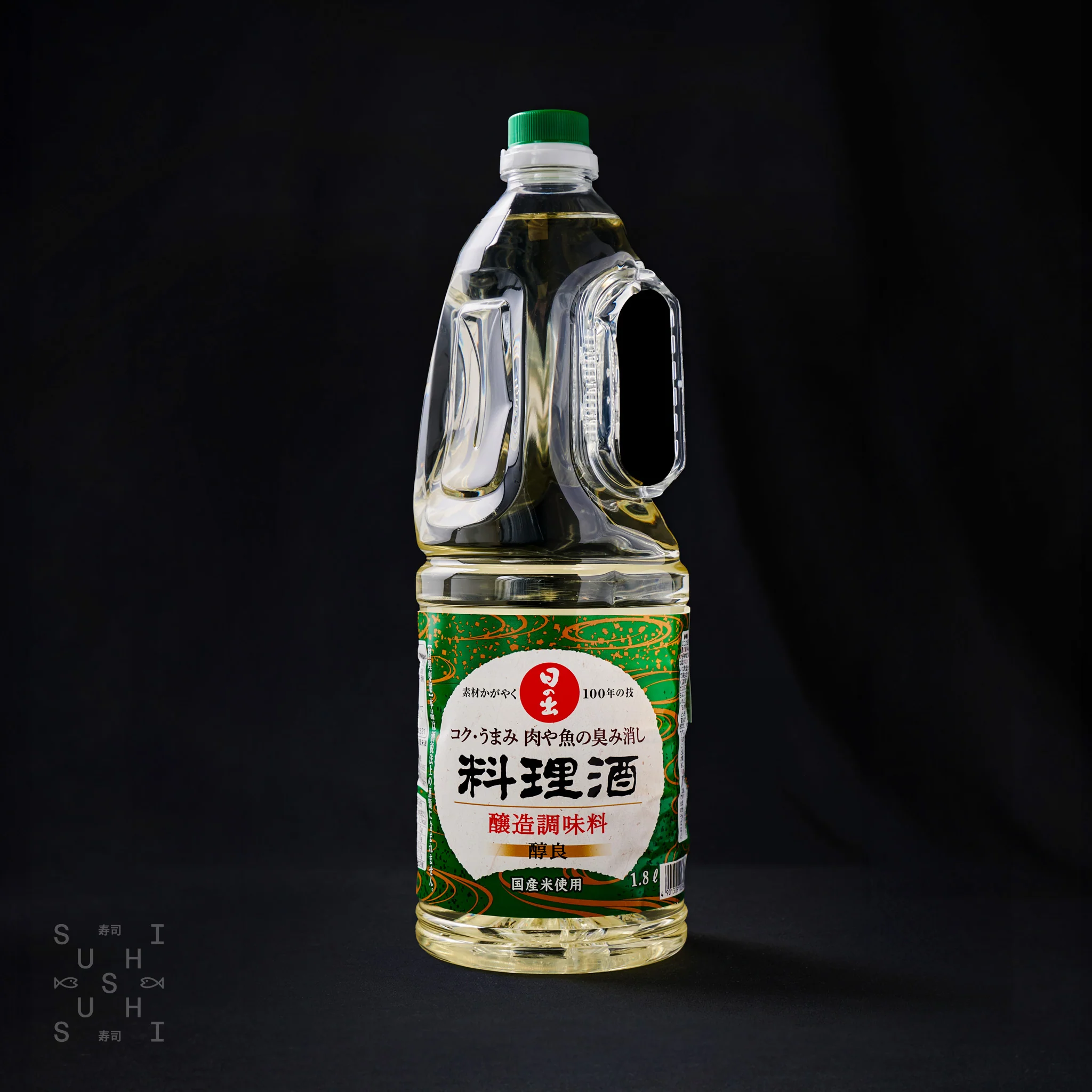
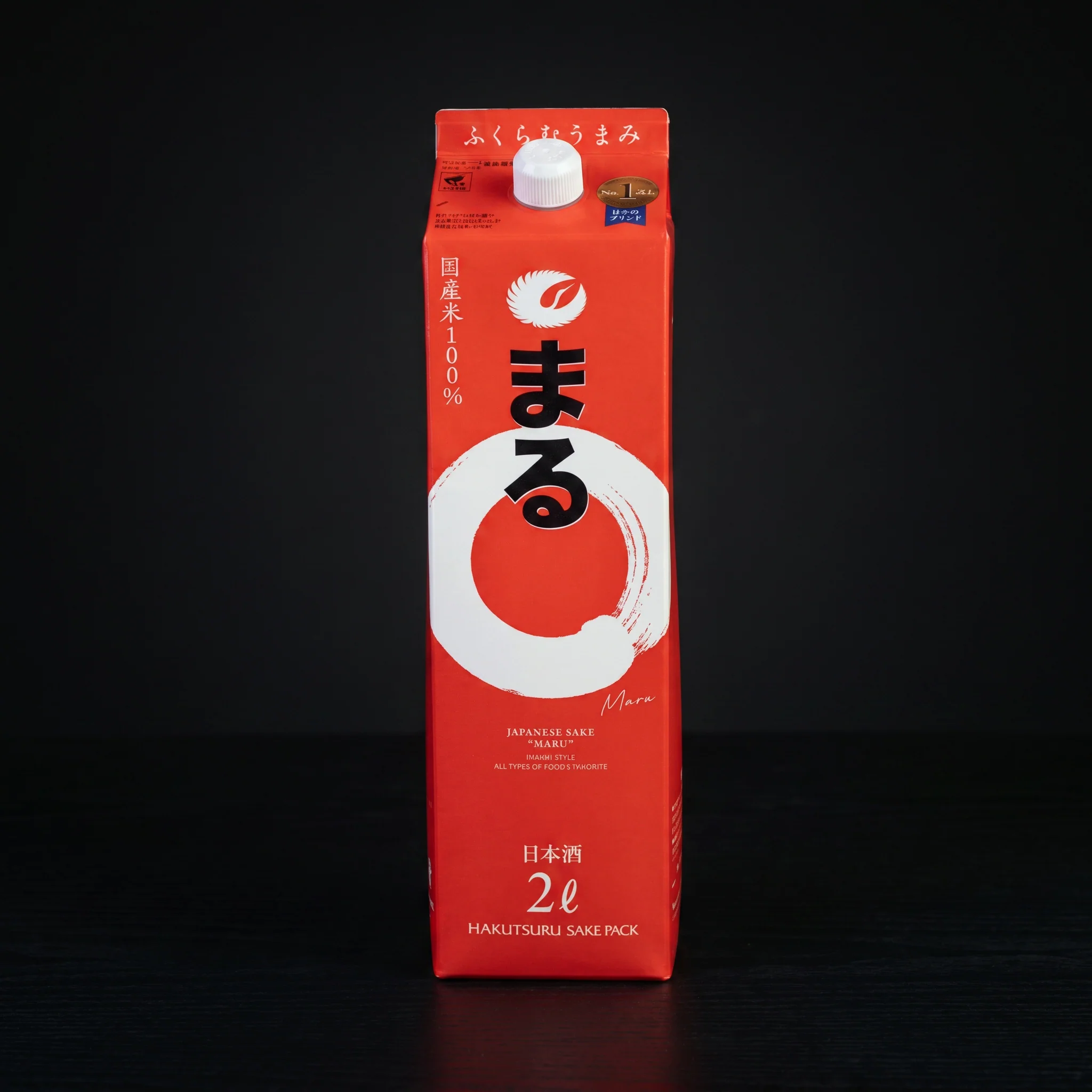
HAKUTSURU MARU SAKE, 2L
The Everyday Sake Japan Actually Drinks
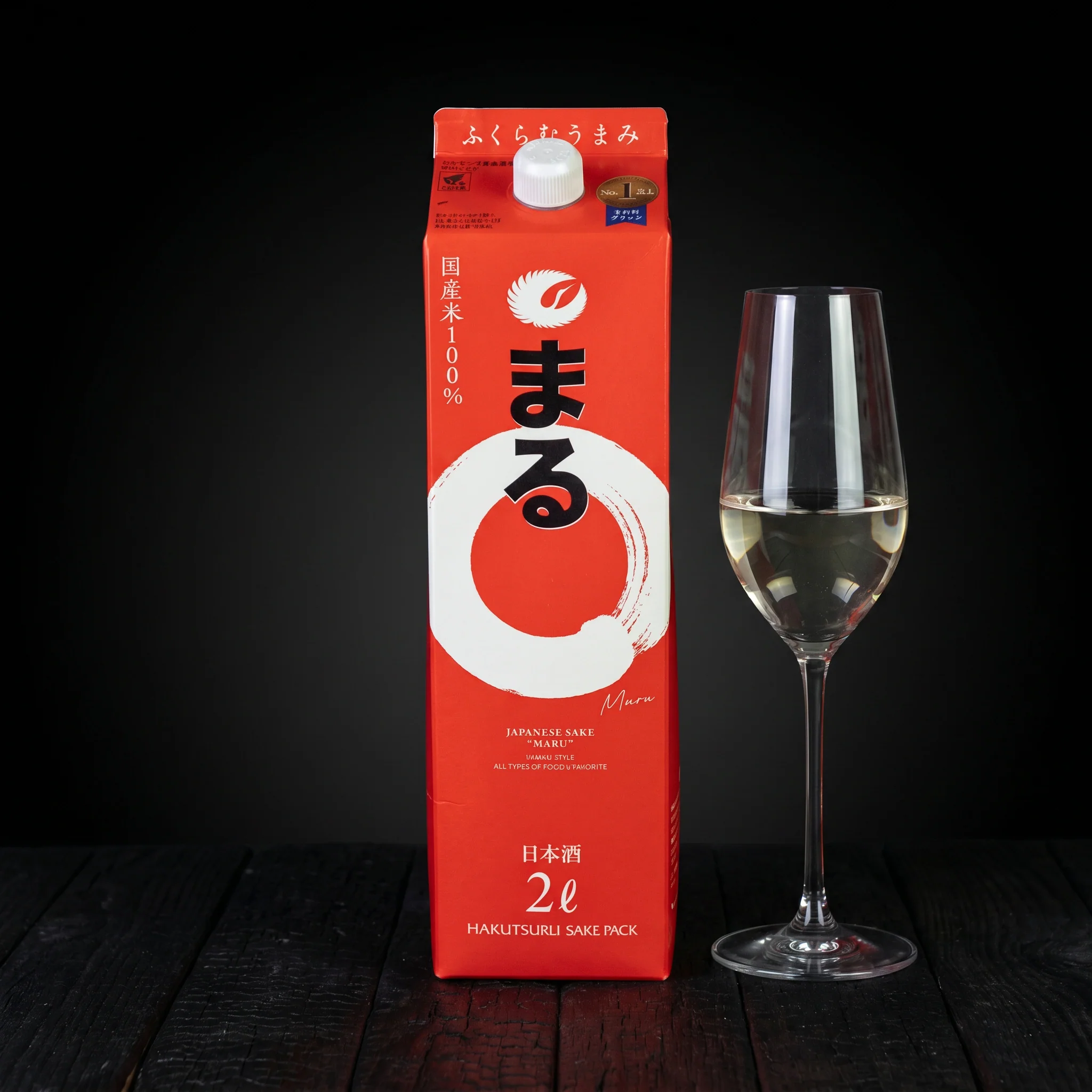
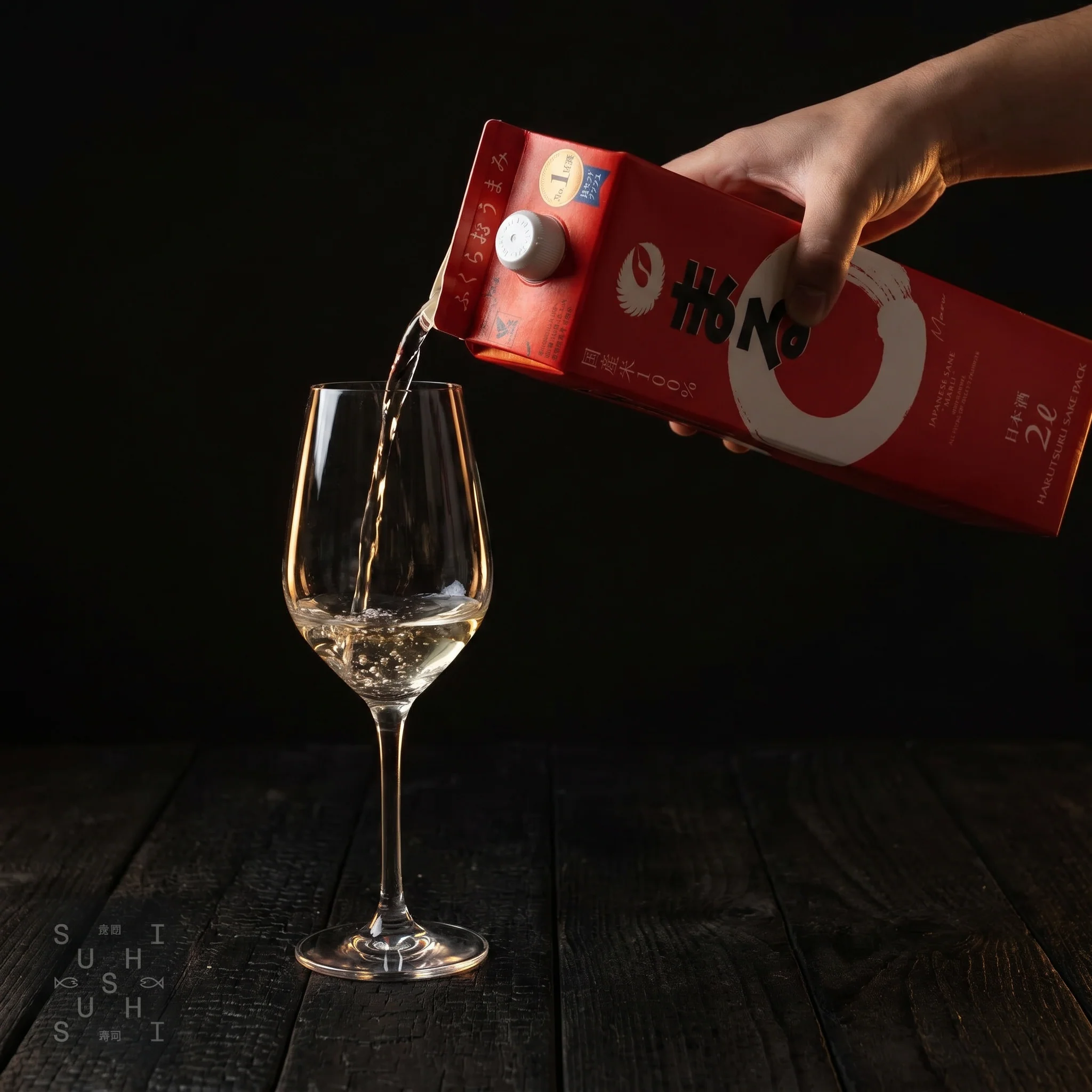
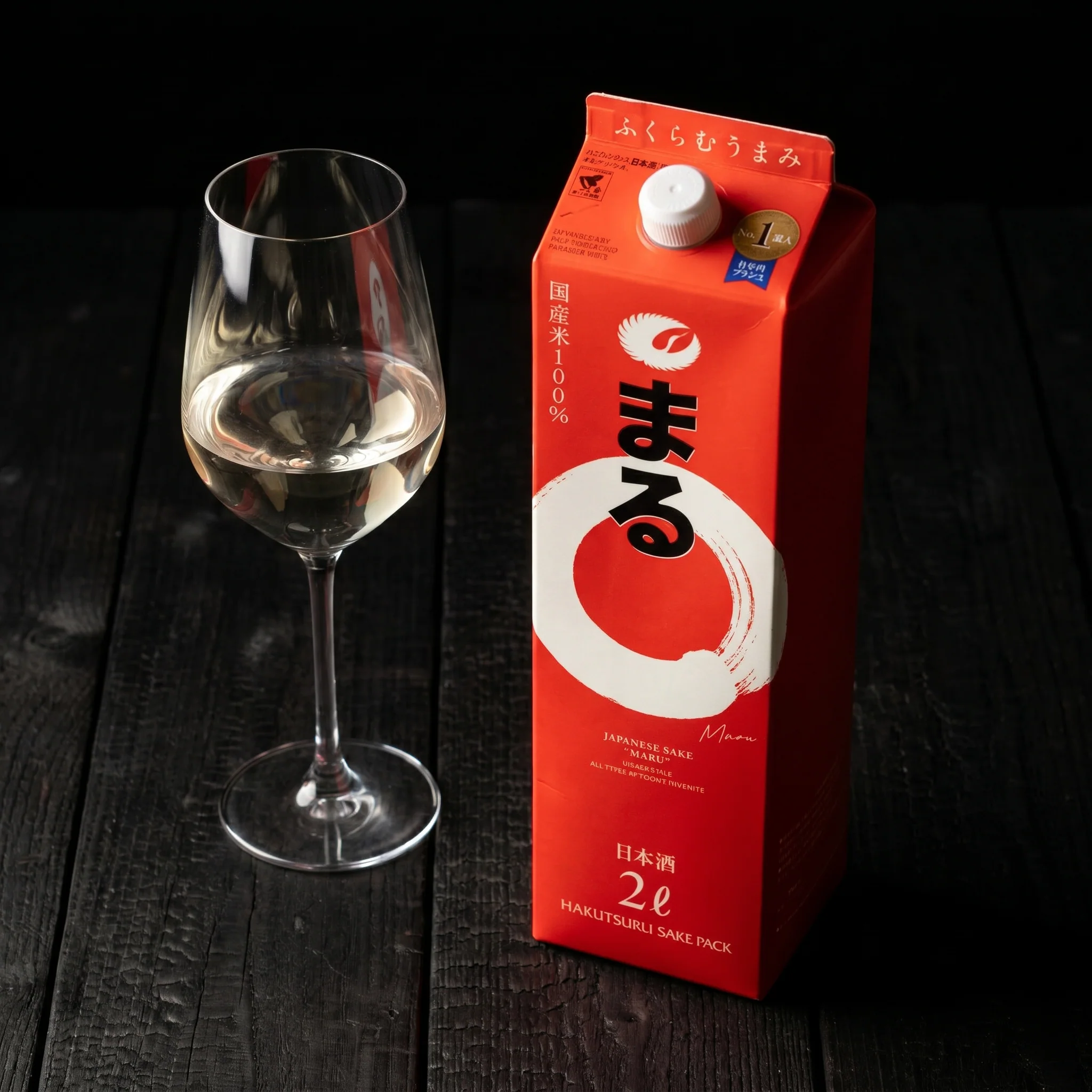
Not every sake is a special-occasion bottle. Hakutsuru Maru is the everyday workhorse, and not a minor one: it is Hakutsuru's best-selling brand and the number-one selling pack sake in Japan, the smooth, round sake that households and izakaya pour by the glass, day in, day out. It is brewed by Hakutsuru, one of Japan's great sake houses, founded in Nada in 1743, from 100% Japanese rice. The 2L pack is built for steady pouring, and the flavour is made to sit with food rather than compete with it. Serve it warm, chilled or at room temperature.
Why Chefs Choose This
- Everyday value: a 2L pack makes this an economical house pour or by-the-glass sake without dropping to cooking grade
- Food-friendly: a round, mild umami profile that sits with a wide range of dishes rather than fighting them
- Serve any temperature: good warm, at room temperature or chilled, so one pack covers the seasons
- Japan's No.1 pack sake: Hakutsuru's best-selling brand, brewed in Nada, Japan's most famous sake district, since 1743
How to Use
- House sake: pour by the glass or carafe as an everyday sake alongside food
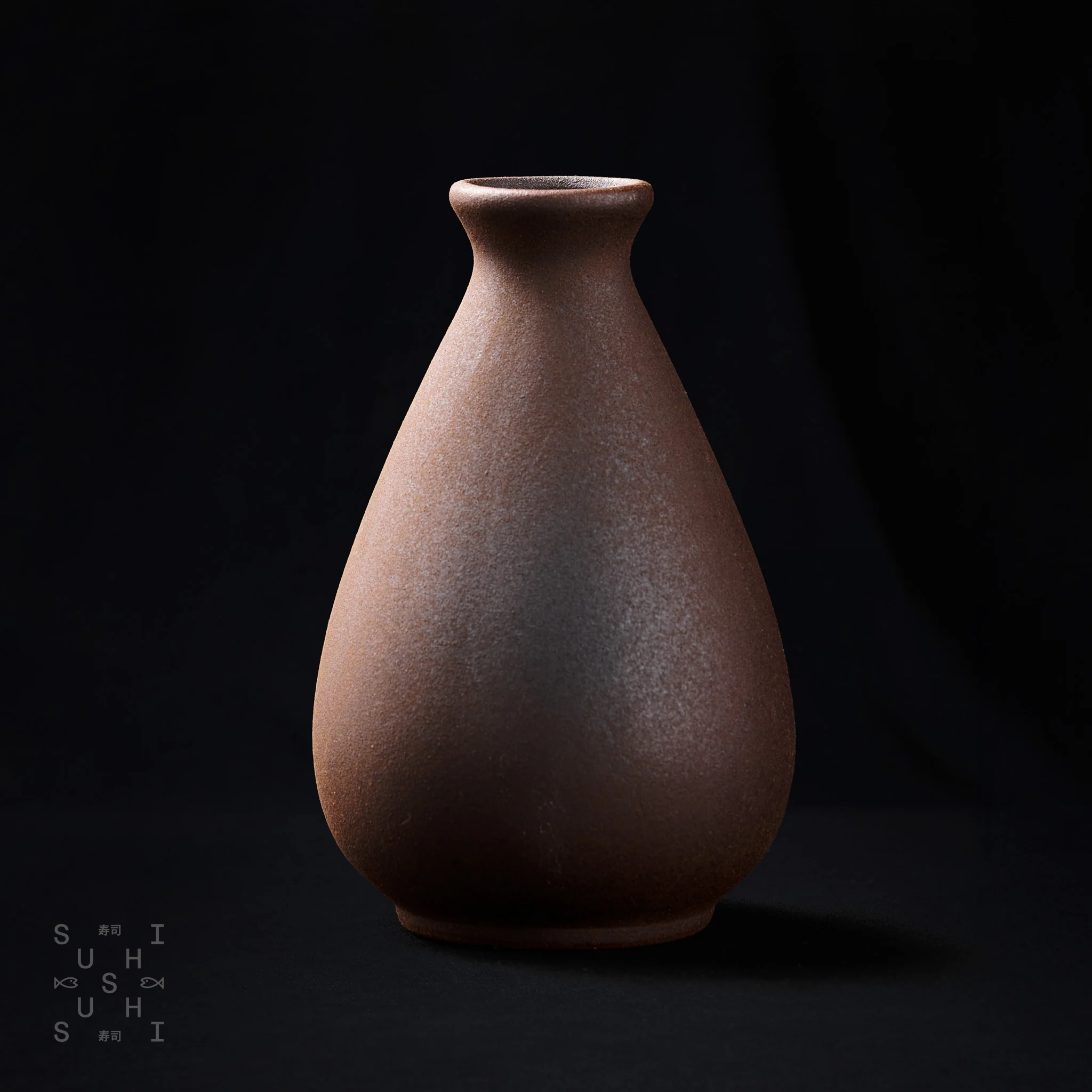
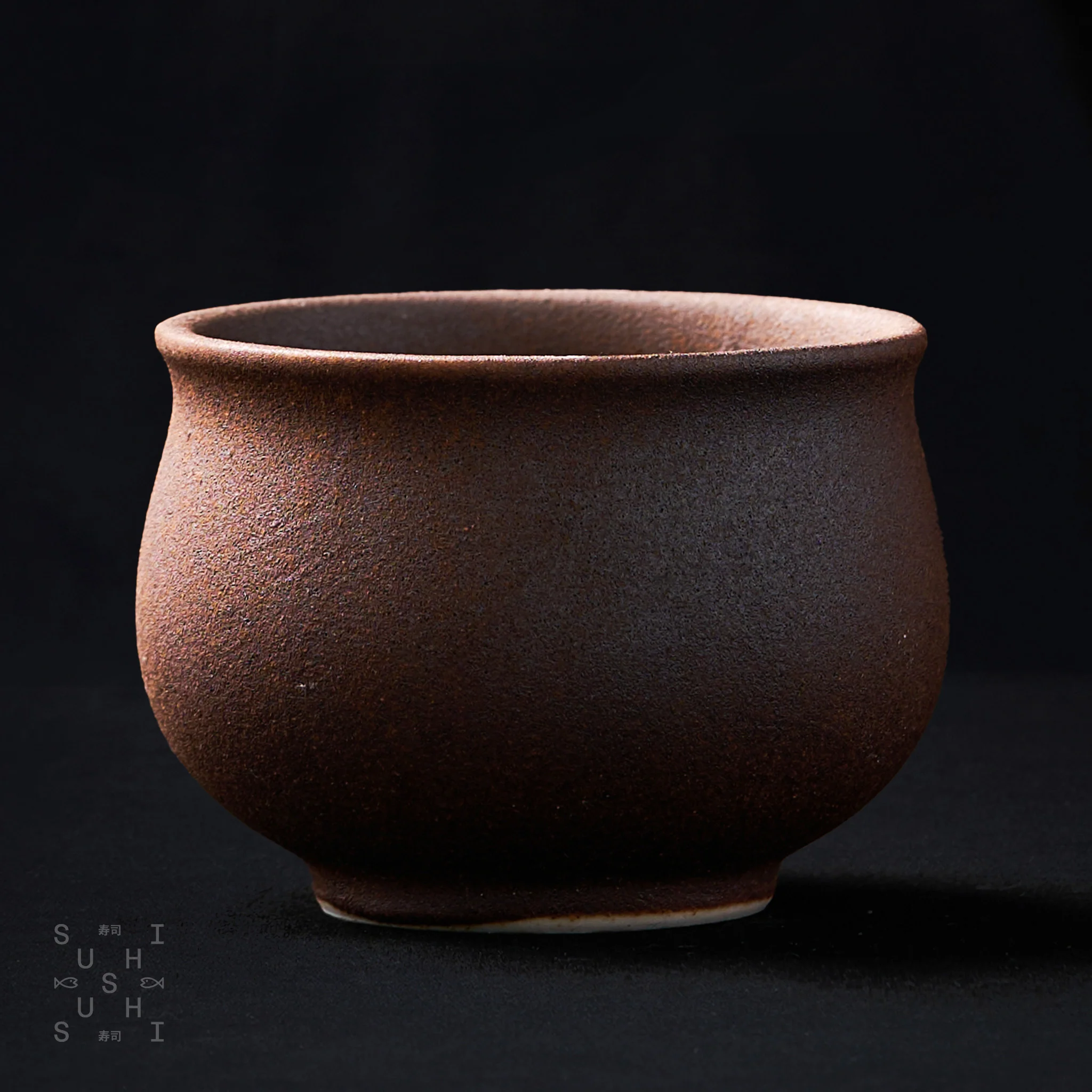
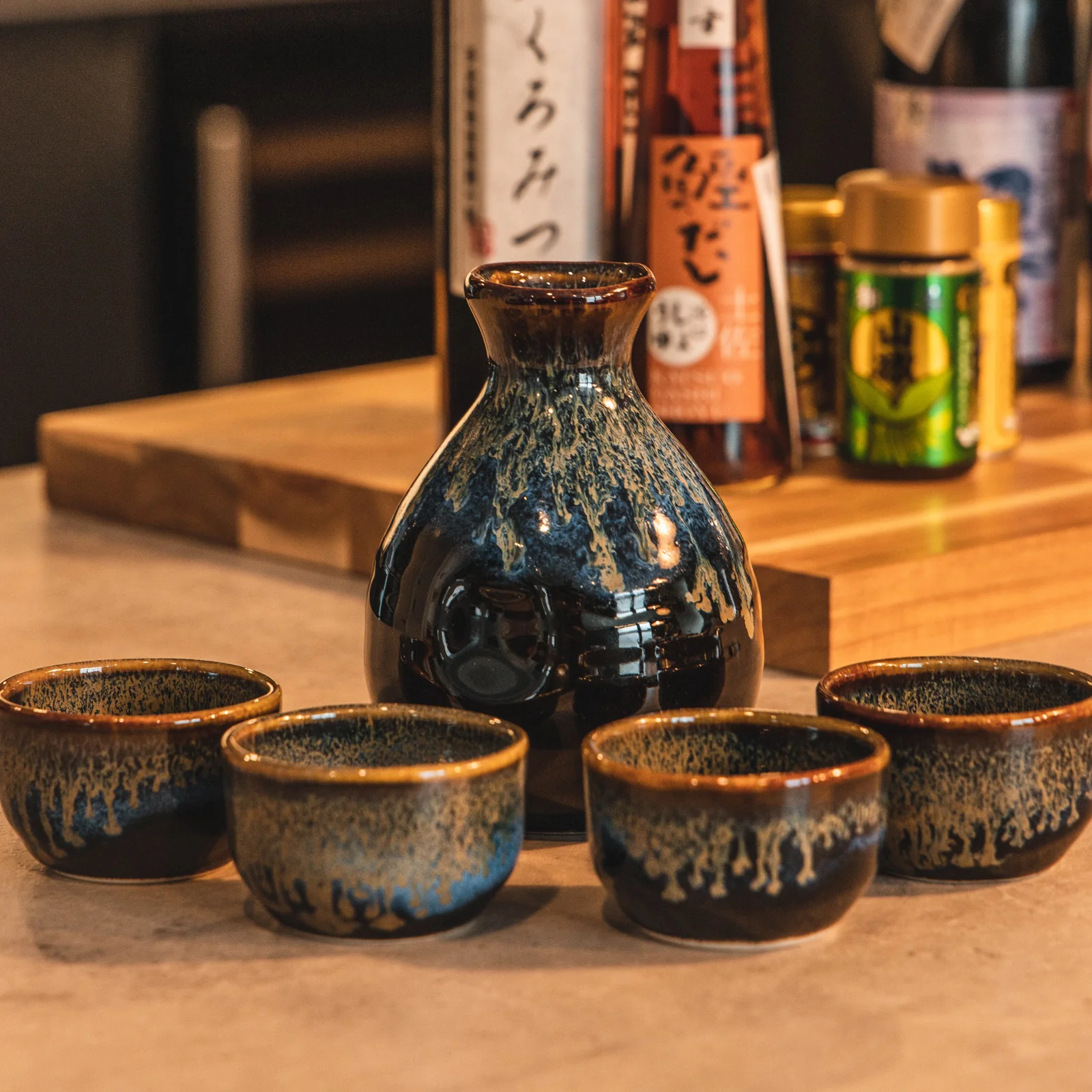
- Warm or chilled: serve warm in winter, chilled in summer, into a small ochoko cup
- In the kitchen: a drinkable everyday sake also works for cooking, deglazing and marinades
- Reseal and keep: the screw-cap pack reseals, so you pour what you need and store the rest
Maru, and what futsushu means
Sake is nihonshu (日本酒), and most of what Japan drinks day to day is futsushu (普通酒), the everyday or table grade, as opposed to the premium ginjo and junmai bottles kept for special occasions. Maru (まる) means circle, or round, a fitting name for a sake built around a soft, rounded umami rather than sharp aromatics. It comes from Hakutsuru (白鶴, white crane), founded in 1743 in Nada, the district of Kobe that has been the heart of Japanese sake brewing for centuries. Hakutsuru sums up its craft as rice, water and people, and Maru is where that everyday craft reaches the most tables: honest, food-friendly, and made to be poured freely. It is the brand Hakutsuru sells more of than any other.
Learn more: Hakutsuru Sake: Everything You Need to Know
What does Hakutsuru Maru taste like?
Soft and round, with a gentle, savoury umami and a clean finish. At SMV +1 it sits close to neutral, neither markedly dry nor sweet, which is what makes it so easy alongside food. There is little of the fruity, floral aromatics you find in a premium ginjo; this is the comfortable, everyday side of sake, smooth and unfussy. Warmed, it grows rounder and fuller, which is the classic way to drink an everyday futsushu; chilled, it reads cleaner and lighter. It is a sake to drink rather than to study, which is the point.
Product Details
| Type | Futsushu (普通酒, everyday table sake) / nihonshu |
| Brand | Hakutsuru (白鶴, est. 1743) |
| Origin | Nada, Hyogo, Japan |
| Rice | 100% Japanese domestic rice |
| ABV | 13.5% |
| Sake Meter Value | +1 (close to neutral) |
| Acidity | 1.2 |
| Format | 2L pack with resealable screw cap |
| Best Served | Warm, room temperature or chilled |
What is futsushu sake?
Futsushu (普通酒) is everyday or table-grade sake, the category that makes up most of what is drunk in Japan day to day. Unlike the premium grades, ginjo and junmai, it is not defined by a set rice-polishing ratio, which keeps it affordable and approachable. It is the sake for casual drinking and for cooking, where a delicate daiginjo would be wasted. Hakutsuru Maru is a well-made example: smooth and food-friendly rather than showy.
Is Hakutsuru Maru best served warm or chilled?
Both work, which is part of its appeal. Everyday futsushu like Maru is the classic style for warming (kan), where gentle heat rounds it out and brings up the umami, ideal in colder months. Chilled, it reads lighter and cleaner for summer drinking. Room temperature is the easy middle ground. For a full breakdown of the named serving temperatures, see our guide to sake temperature.
How long does a 2L sake pack last once opened?
Sake is best fresh. Once opened, reseal the screw cap, keep the pack in the fridge, and aim to drink it within a couple of weeks for the best flavour; it will not spoil quickly but it gradually loses its freshness as it meets air. The resealable 2L pack is designed for exactly this, pour what you need and store the rest cold. If any is left past its best for drinking, it is still perfectly good for cooking.
Original: $46.92
-65%$46.92
$16.42More Images
HAKUTSURU MARU SAKE, 2L
The Everyday Sake Japan Actually Drinks
Not every sake is a special-occasion bottle. Hakutsuru Maru is the everyday workhorse, and not a minor one: it is Hakutsuru's best-selling brand and the number-one selling pack sake in Japan, the smooth, round sake that households and izakaya pour by the glass, day in, day out. It is brewed by Hakutsuru, one of Japan's great sake houses, founded in Nada in 1743, from 100% Japanese rice. The 2L pack is built for steady pouring, and the flavour is made to sit with food rather than compete with it. Serve it warm, chilled or at room temperature.
Why Chefs Choose This
- Everyday value: a 2L pack makes this an economical house pour or by-the-glass sake without dropping to cooking grade
- Food-friendly: a round, mild umami profile that sits with a wide range of dishes rather than fighting them
- Serve any temperature: good warm, at room temperature or chilled, so one pack covers the seasons
- Japan's No.1 pack sake: Hakutsuru's best-selling brand, brewed in Nada, Japan's most famous sake district, since 1743
How to Use
- House sake: pour by the glass or carafe as an everyday sake alongside food
- Warm or chilled: serve warm in winter, chilled in summer, into a small ochoko cup
- In the kitchen: a drinkable everyday sake also works for cooking, deglazing and marinades
- Reseal and keep: the screw-cap pack reseals, so you pour what you need and store the rest
Maru, and what futsushu means
Sake is nihonshu (日本酒), and most of what Japan drinks day to day is futsushu (普通酒), the everyday or table grade, as opposed to the premium ginjo and junmai bottles kept for special occasions. Maru (まる) means circle, or round, a fitting name for a sake built around a soft, rounded umami rather than sharp aromatics. It comes from Hakutsuru (白鶴, white crane), founded in 1743 in Nada, the district of Kobe that has been the heart of Japanese sake brewing for centuries. Hakutsuru sums up its craft as rice, water and people, and Maru is where that everyday craft reaches the most tables: honest, food-friendly, and made to be poured freely. It is the brand Hakutsuru sells more of than any other.
Learn more: Hakutsuru Sake: Everything You Need to Know
What does Hakutsuru Maru taste like?
Soft and round, with a gentle, savoury umami and a clean finish. At SMV +1 it sits close to neutral, neither markedly dry nor sweet, which is what makes it so easy alongside food. There is little of the fruity, floral aromatics you find in a premium ginjo; this is the comfortable, everyday side of sake, smooth and unfussy. Warmed, it grows rounder and fuller, which is the classic way to drink an everyday futsushu; chilled, it reads cleaner and lighter. It is a sake to drink rather than to study, which is the point.
Product Details
| Type | Futsushu (普通酒, everyday table sake) / nihonshu |
| Brand | Hakutsuru (白鶴, est. 1743) |
| Origin | Nada, Hyogo, Japan |
| Rice | 100% Japanese domestic rice |
| ABV | 13.5% |
| Sake Meter Value | +1 (close to neutral) |
| Acidity | 1.2 |
| Format | 2L pack with resealable screw cap |
| Best Served | Warm, room temperature or chilled |
What is futsushu sake?
Futsushu (普通酒) is everyday or table-grade sake, the category that makes up most of what is drunk in Japan day to day. Unlike the premium grades, ginjo and junmai, it is not defined by a set rice-polishing ratio, which keeps it affordable and approachable. It is the sake for casual drinking and for cooking, where a delicate daiginjo would be wasted. Hakutsuru Maru is a well-made example: smooth and food-friendly rather than showy.
Is Hakutsuru Maru best served warm or chilled?
Both work, which is part of its appeal. Everyday futsushu like Maru is the classic style for warming (kan), where gentle heat rounds it out and brings up the umami, ideal in colder months. Chilled, it reads lighter and cleaner for summer drinking. Room temperature is the easy middle ground. For a full breakdown of the named serving temperatures, see our guide to sake temperature.
How long does a 2L sake pack last once opened?
Sake is best fresh. Once opened, reseal the screw cap, keep the pack in the fridge, and aim to drink it within a couple of weeks for the best flavour; it will not spoil quickly but it gradually loses its freshness as it meets air. The resealable 2L pack is designed for exactly this, pour what you need and store the rest cold. If any is left past its best for drinking, it is still perfectly good for cooking.
Product Information
Product Information
Shipping & Returns
Shipping & Returns
Description
The Everyday Sake Japan Actually Drinks
Not every sake is a special-occasion bottle. Hakutsuru Maru is the everyday workhorse, and not a minor one: it is Hakutsuru's best-selling brand and the number-one selling pack sake in Japan, the smooth, round sake that households and izakaya pour by the glass, day in, day out. It is brewed by Hakutsuru, one of Japan's great sake houses, founded in Nada in 1743, from 100% Japanese rice. The 2L pack is built for steady pouring, and the flavour is made to sit with food rather than compete with it. Serve it warm, chilled or at room temperature.
Why Chefs Choose This
- Everyday value: a 2L pack makes this an economical house pour or by-the-glass sake without dropping to cooking grade
- Food-friendly: a round, mild umami profile that sits with a wide range of dishes rather than fighting them
- Serve any temperature: good warm, at room temperature or chilled, so one pack covers the seasons
- Japan's No.1 pack sake: Hakutsuru's best-selling brand, brewed in Nada, Japan's most famous sake district, since 1743
How to Use
- House sake: pour by the glass or carafe as an everyday sake alongside food
- Warm or chilled: serve warm in winter, chilled in summer, into a small ochoko cup
- In the kitchen: a drinkable everyday sake also works for cooking, deglazing and marinades
- Reseal and keep: the screw-cap pack reseals, so you pour what you need and store the rest
Maru, and what futsushu means
Sake is nihonshu (日本酒), and most of what Japan drinks day to day is futsushu (普通酒), the everyday or table grade, as opposed to the premium ginjo and junmai bottles kept for special occasions. Maru (まる) means circle, or round, a fitting name for a sake built around a soft, rounded umami rather than sharp aromatics. It comes from Hakutsuru (白鶴, white crane), founded in 1743 in Nada, the district of Kobe that has been the heart of Japanese sake brewing for centuries. Hakutsuru sums up its craft as rice, water and people, and Maru is where that everyday craft reaches the most tables: honest, food-friendly, and made to be poured freely. It is the brand Hakutsuru sells more of than any other.
Learn more: Hakutsuru Sake: Everything You Need to Know
What does Hakutsuru Maru taste like?
Soft and round, with a gentle, savoury umami and a clean finish. At SMV +1 it sits close to neutral, neither markedly dry nor sweet, which is what makes it so easy alongside food. There is little of the fruity, floral aromatics you find in a premium ginjo; this is the comfortable, everyday side of sake, smooth and unfussy. Warmed, it grows rounder and fuller, which is the classic way to drink an everyday futsushu; chilled, it reads cleaner and lighter. It is a sake to drink rather than to study, which is the point.
Product Details
| Type | Futsushu (普通酒, everyday table sake) / nihonshu |
| Brand | Hakutsuru (白鶴, est. 1743) |
| Origin | Nada, Hyogo, Japan |
| Rice | 100% Japanese domestic rice |
| ABV | 13.5% |
| Sake Meter Value | +1 (close to neutral) |
| Acidity | 1.2 |
| Format | 2L pack with resealable screw cap |
| Best Served | Warm, room temperature or chilled |
What is futsushu sake?
Futsushu (普通酒) is everyday or table-grade sake, the category that makes up most of what is drunk in Japan day to day. Unlike the premium grades, ginjo and junmai, it is not defined by a set rice-polishing ratio, which keeps it affordable and approachable. It is the sake for casual drinking and for cooking, where a delicate daiginjo would be wasted. Hakutsuru Maru is a well-made example: smooth and food-friendly rather than showy.
Is Hakutsuru Maru best served warm or chilled?
Both work, which is part of its appeal. Everyday futsushu like Maru is the classic style for warming (kan), where gentle heat rounds it out and brings up the umami, ideal in colder months. Chilled, it reads lighter and cleaner for summer drinking. Room temperature is the easy middle ground. For a full breakdown of the named serving temperatures, see our guide to sake temperature.
How long does a 2L sake pack last once opened?
Sake is best fresh. Once opened, reseal the screw cap, keep the pack in the fridge, and aim to drink it within a couple of weeks for the best flavour; it will not spoil quickly but it gradually loses its freshness as it meets air. The resealable 2L pack is designed for exactly this, pour what you need and store the rest cold. If any is left past its best for drinking, it is still perfectly good for cooking.