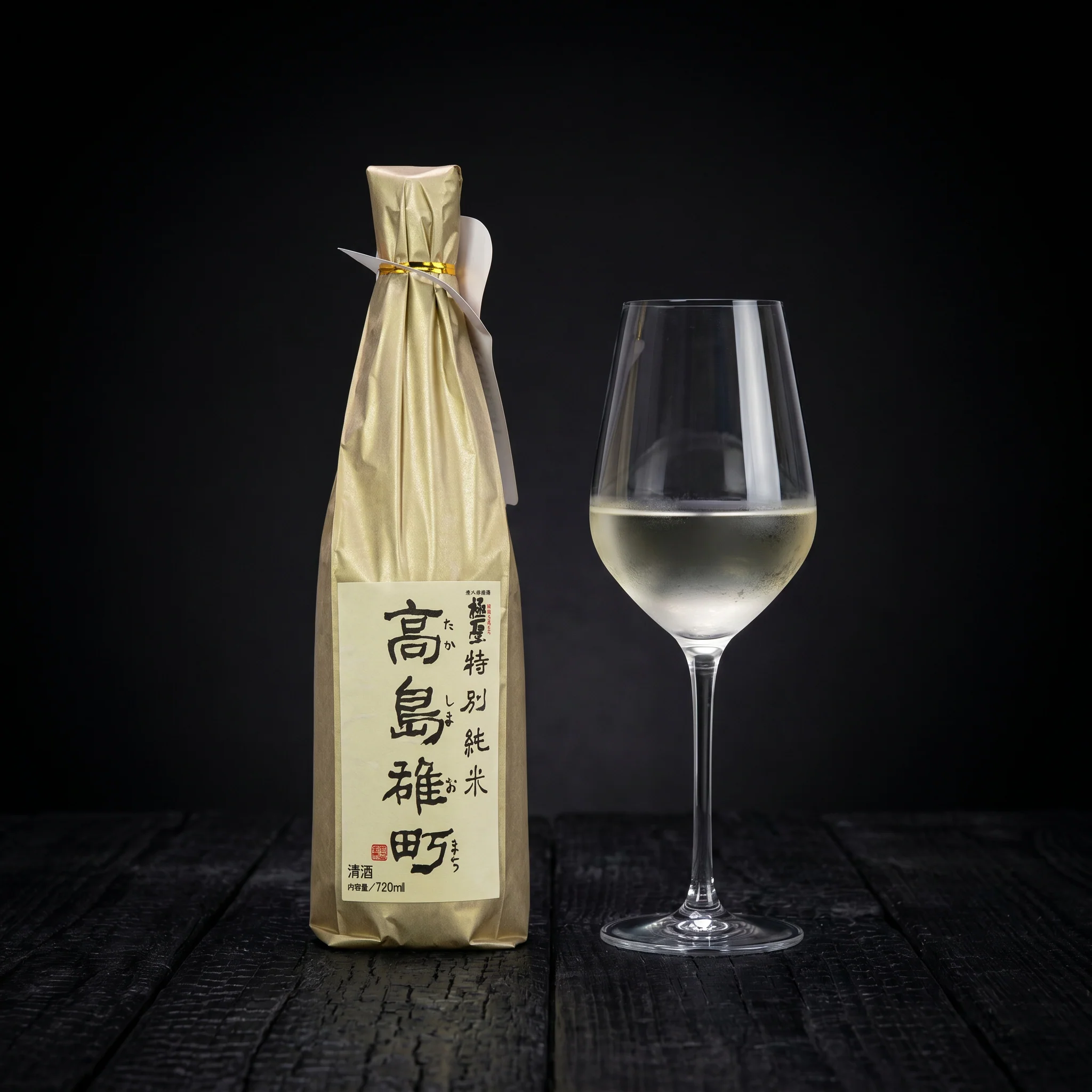
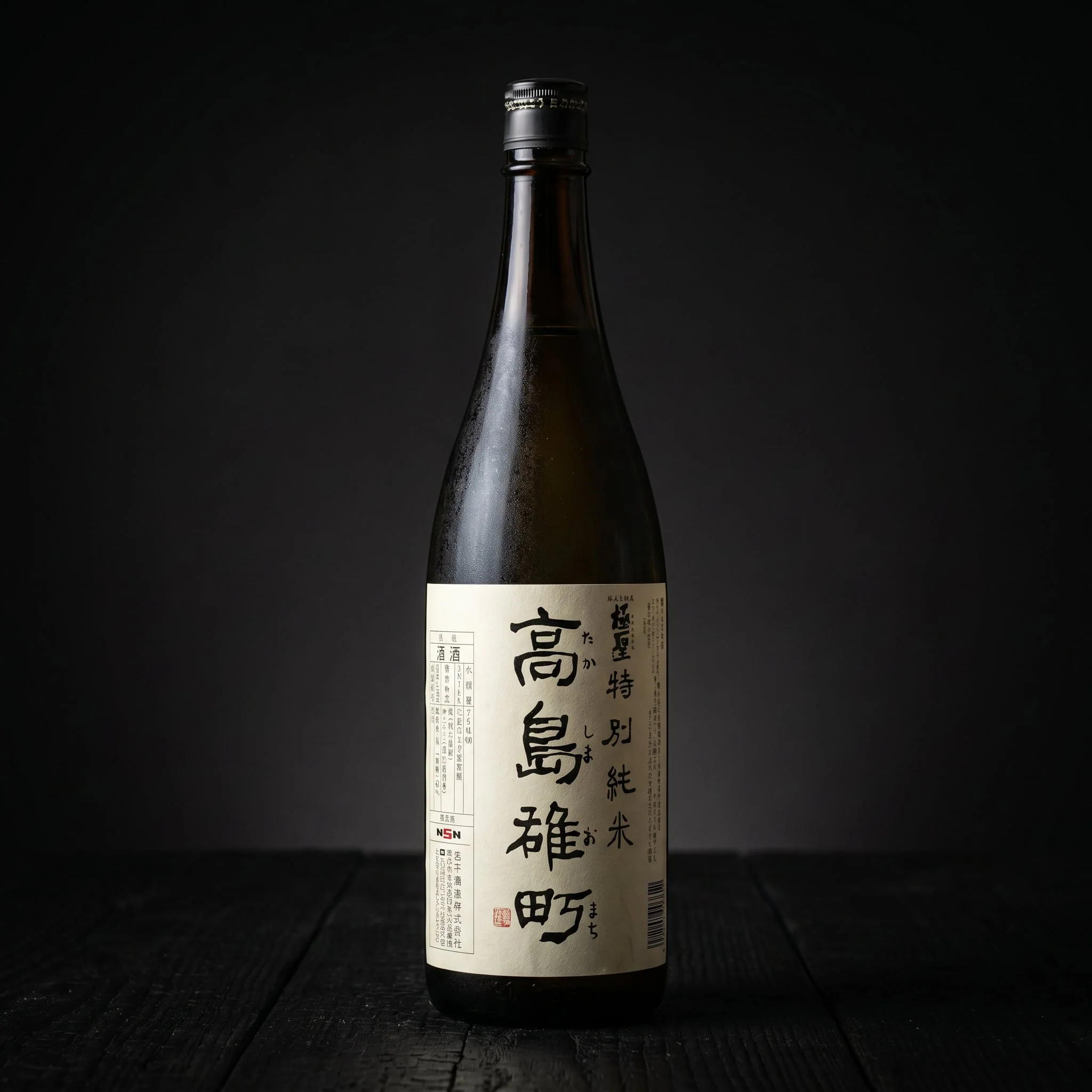
Miyashita, Takashima Omachi Tokubetsu Junmai, 720ml
Omachi Rice from the District That Gave It Its Name
Omachi, the heirloom sake rice, takes its name from a district of Okayama, and this is a Tokubetsu Junmai built squarely on Takashima-grown Omachi from that home ground. Miyashita, a century-old Okayama brewer, makes it in the pure-rice junmai style: gentle sweetness up front, a broad, rounded Omachi umami beneath, and a smooth, refined finish. It is a sake with real depth that stays food-friendly and easy to drink, and it can be served chilled or gently warmed.
Other Okayama Omachi sakes: Bizen Maboroshi Junmai Ginjo, Sanzen Tokubetsu Junmai Omachi and Sanzen Omachi Junmai Daiginjo.
Why Chefs Choose This
- Takashima Omachi: the heirloom rice, grown in its Okayama homeland
- Pure rice (junmai): no added alcohol, all rice-driven depth and umami
- Rounded and refined: gentle sweetness with a smooth, clean finish
- A century of brewing: from Miyashita, an established Okayama maker
How to Serve
- Chilled: around 10°C for a crisp, fresh expression
- Warmed: gently to bring out the Omachi umami
- With food: sashimi, grilled fish, tempura, lighter meat dishes
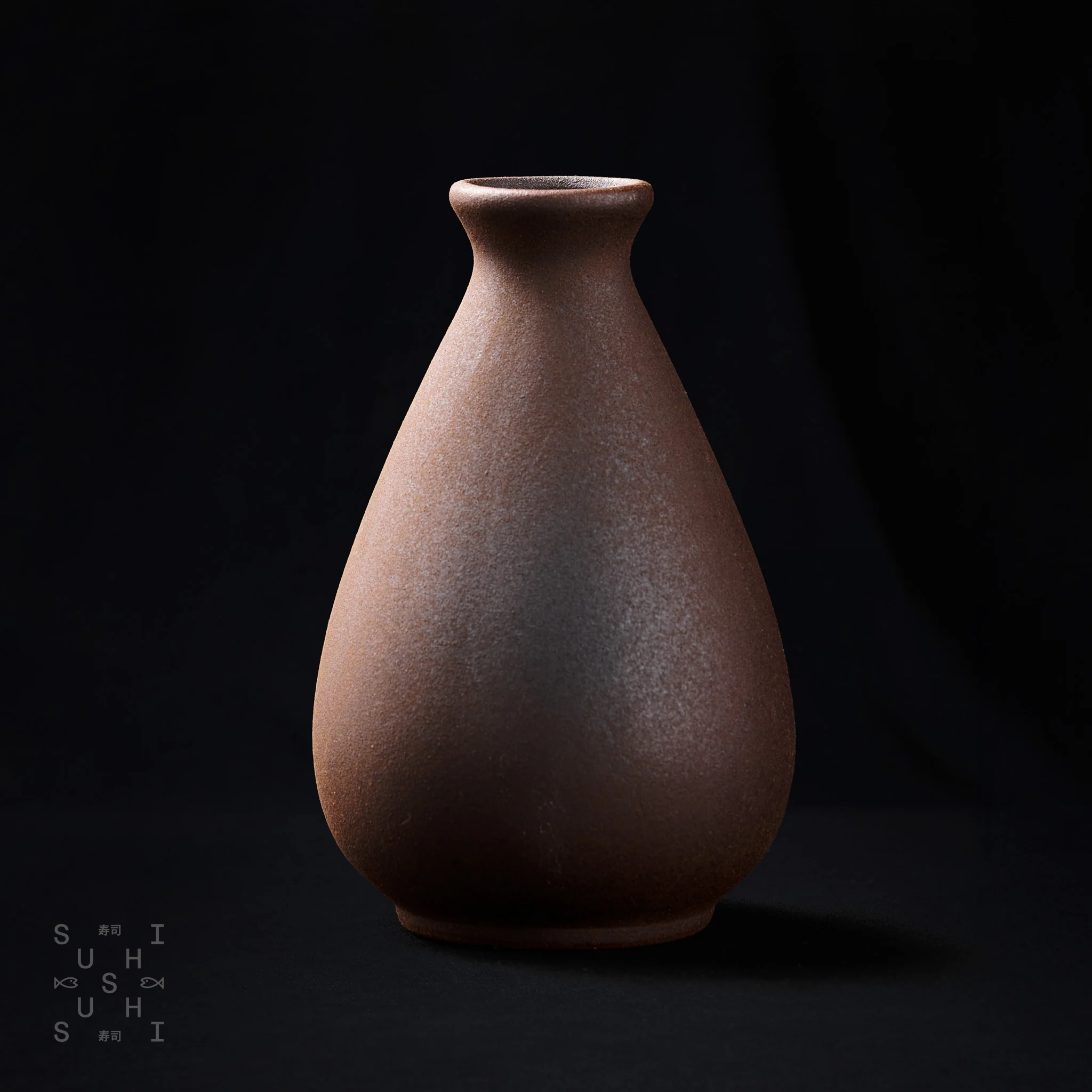
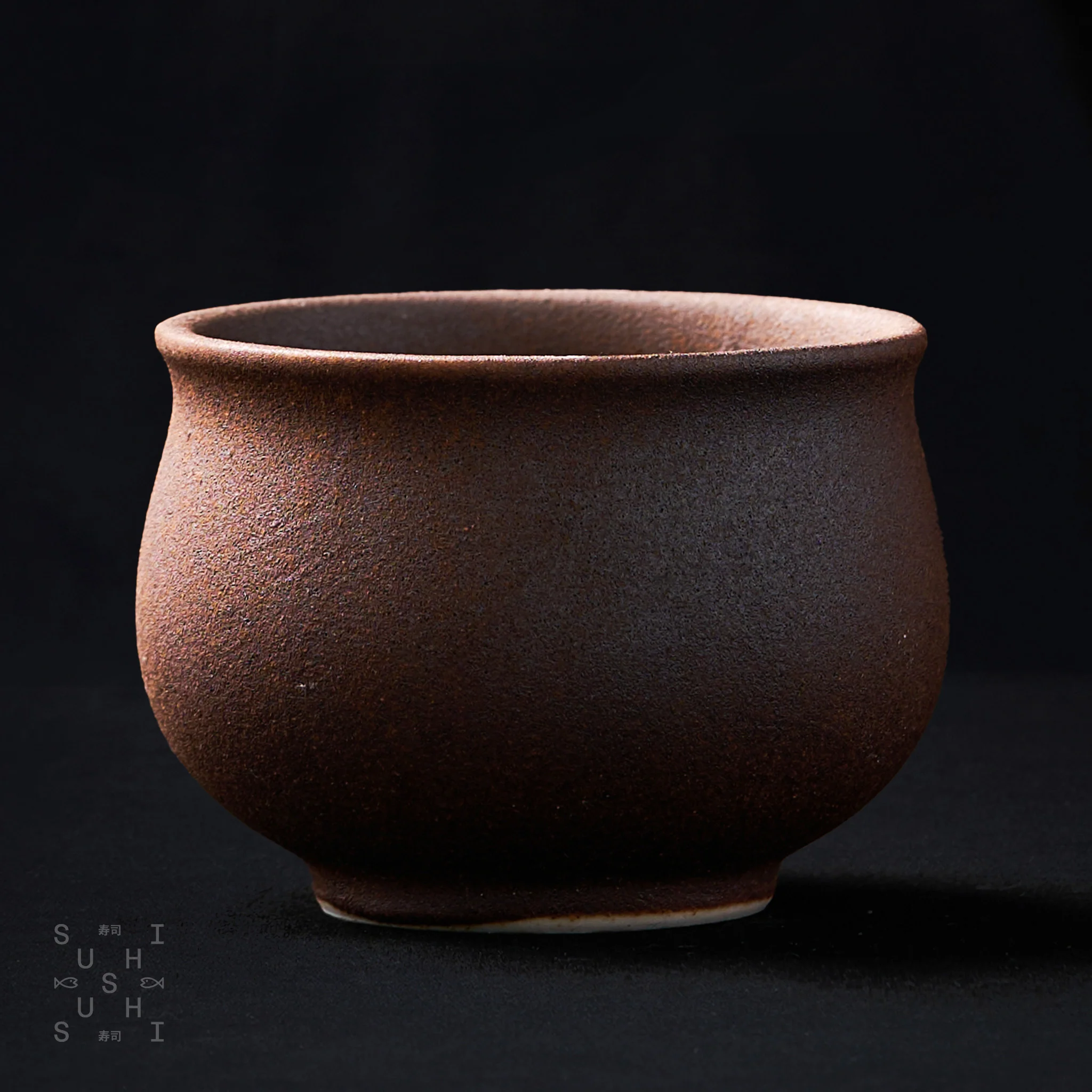
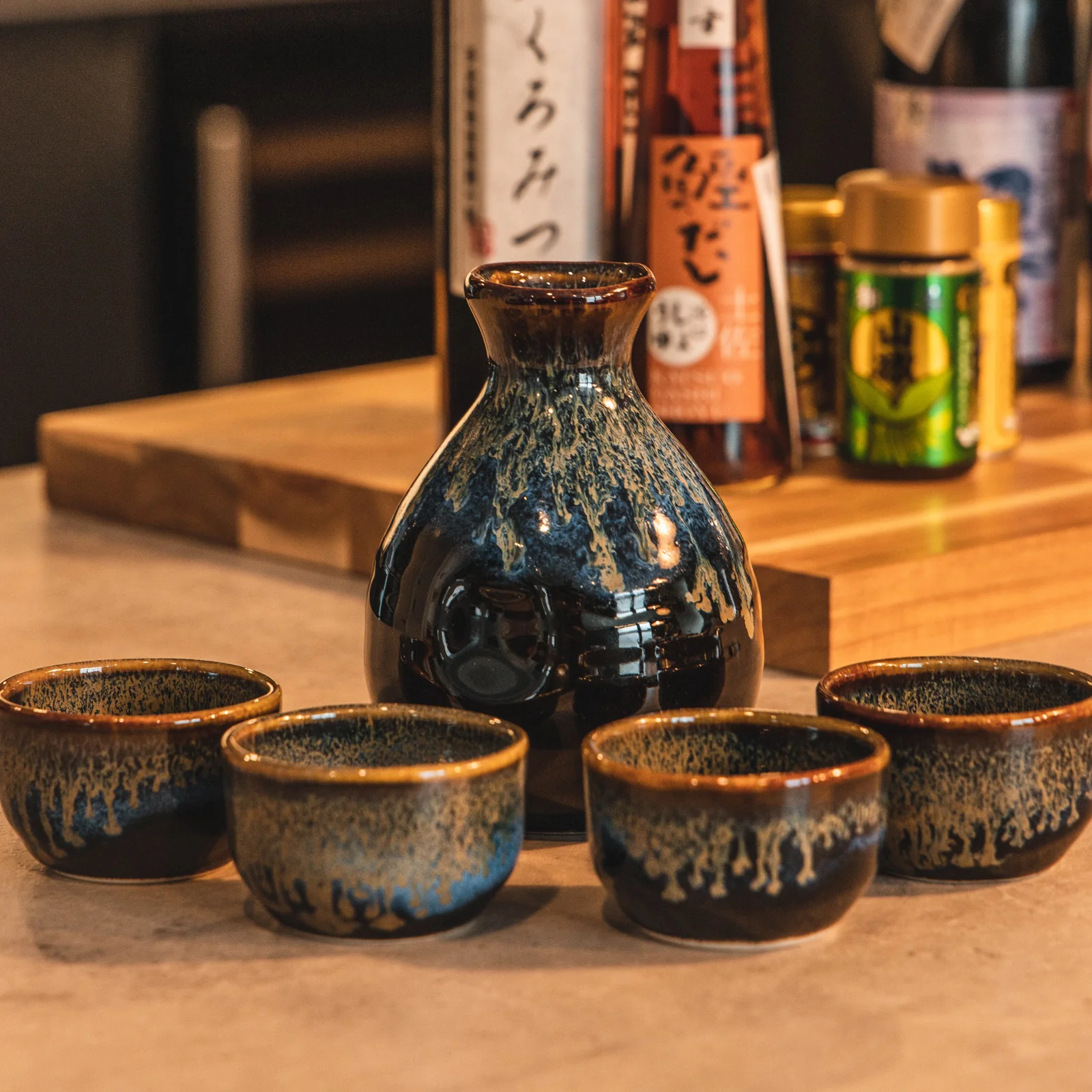
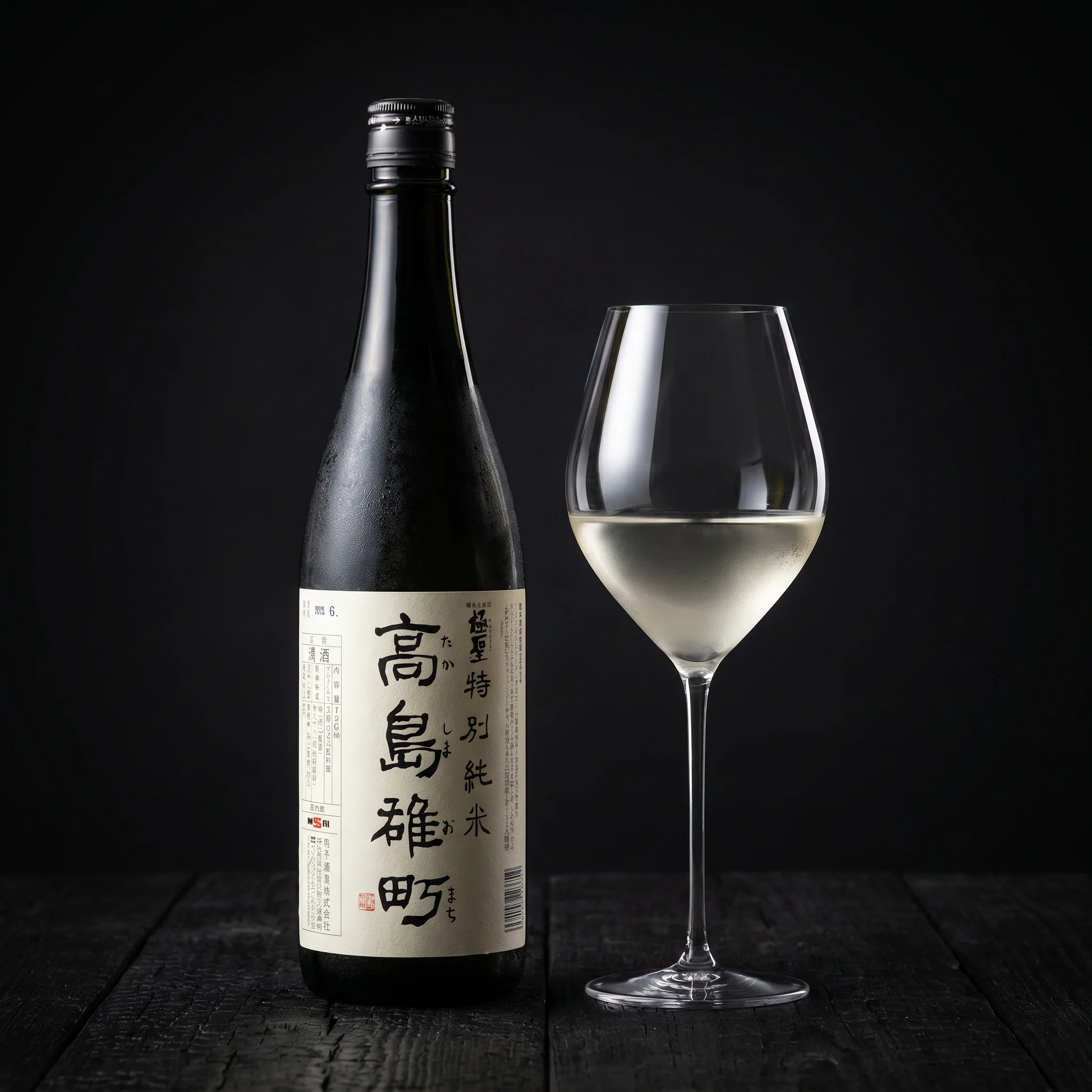
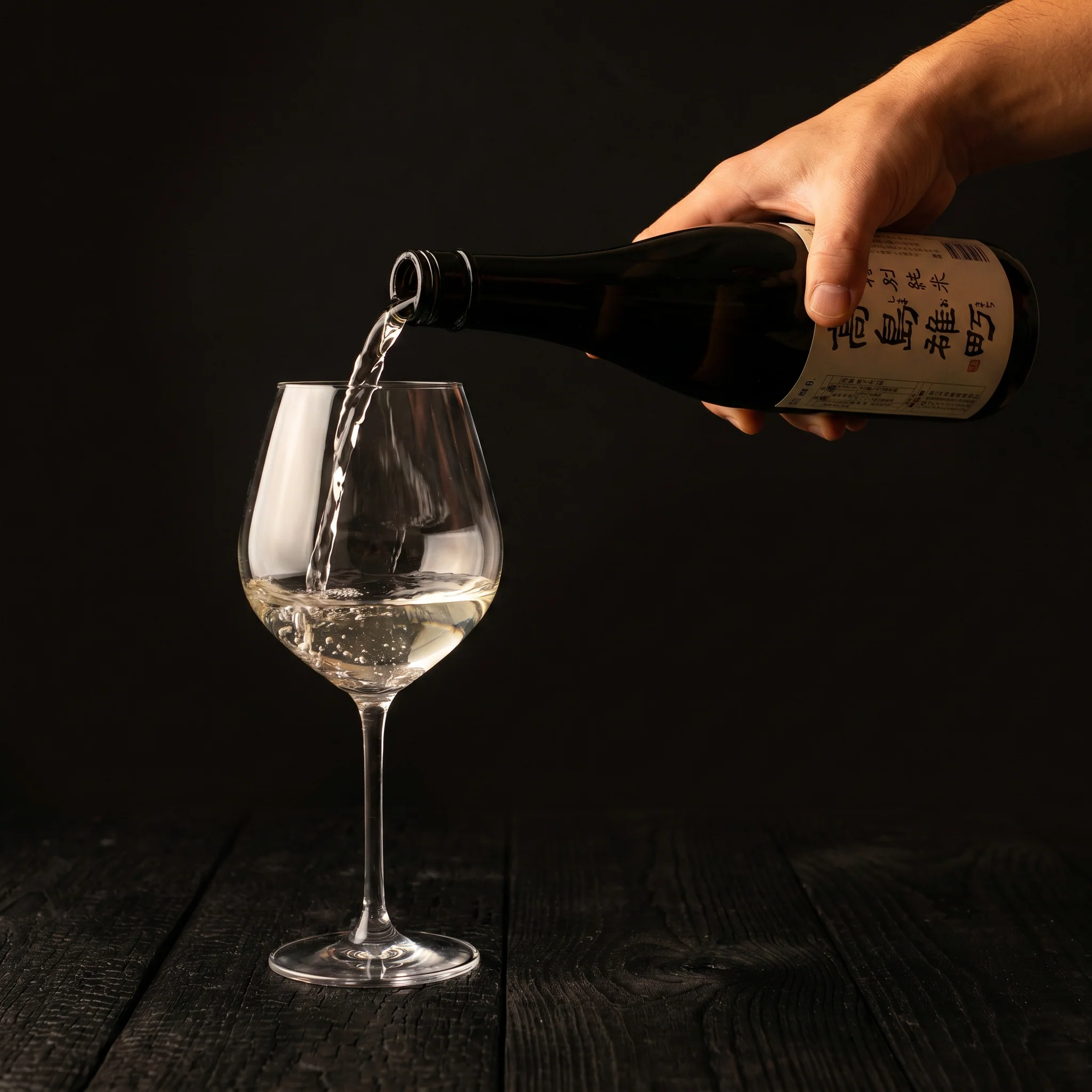
- Glassware: a wine glass cold, or a small cup warm
雄町 — Omachi, and why the place matters
Omachi is the oldest pure-line sake rice in use, first identified in the Omachi area of Okayama in the 19th century and the ancestor of varieties like Yamada Nishiki. It is difficult to grow, easily lost to weather and was nearly abandoned, which is why it is sometimes called the phantom rice. Okayama remains its heartland, and a Takashima Omachi like this is grown close to home, where the variety has thrived longest. Miyashita has brewed in Okayama for around a century, and here it lets that local Omachi speak: broad, earthy, faintly nutty umami, framed in a clean junmai.
Learn more: The SushiSushi Guide to Sake
What does Omachi taste like compared to other sake rice?
Fuller and more savoury. Where modern rices like Yamada Nishiki lean clean and floral, Omachi gives a broader, earthier, slightly nutty umami with a rounder body. That makes Omachi sake a favourite of drinkers who want depth and a real sense of the rice, and it makes this Tokubetsu Junmai a particularly good match for food, standing up to umami-rich dishes that a lighter, more delicate sake would struggle with.
Product Details
| Grade | 特別純米 — Tokubetsu Junmai |
| Brand | Miyashita, Okayama |
| Rice | Omachi, grown in the Takashima area |
| Style | Junmai (pure rice, no added alcohol) |
| Serve | Chilled or gently warmed |
| Volume | 720ml |
| Origin | Okayama, Japan |
What is Takashima Omachi?
It is Omachi sake rice grown in the Takashima area of Okayama, the prefecture where the Omachi variety was first identified and where it has been cultivated longest. Naming the locality is a mark of provenance, signalling Omachi grown close to its historic home rather than further afield.
Can I serve this warm?
Yes. As an Omachi junmai it has the body to take gentle warming, which brings its savoury umami forward and suits cooler weather and richer dishes. Chilled, it is fresher and cleaner. Both work, so it is worth trying the same bottle at two temperatures to find your preference.
What food pairs with it?
A versatile food sake. It works with sashimi and grilled fish, tempura, and lighter chicken and pork dishes, and its Omachi depth lets it handle umami-rich seasonings like soy, miso and dashi. Serve it chilled with delicate dishes and warmed with heartier, simmered ones.
Original: $61.67
-65%$61.67
$21.58More Images
Miyashita, Takashima Omachi Tokubetsu Junmai, 720ml
Omachi Rice from the District That Gave It Its Name
Omachi, the heirloom sake rice, takes its name from a district of Okayama, and this is a Tokubetsu Junmai built squarely on Takashima-grown Omachi from that home ground. Miyashita, a century-old Okayama brewer, makes it in the pure-rice junmai style: gentle sweetness up front, a broad, rounded Omachi umami beneath, and a smooth, refined finish. It is a sake with real depth that stays food-friendly and easy to drink, and it can be served chilled or gently warmed.
Other Okayama Omachi sakes: Bizen Maboroshi Junmai Ginjo, Sanzen Tokubetsu Junmai Omachi and Sanzen Omachi Junmai Daiginjo.
Why Chefs Choose This
- Takashima Omachi: the heirloom rice, grown in its Okayama homeland
- Pure rice (junmai): no added alcohol, all rice-driven depth and umami
- Rounded and refined: gentle sweetness with a smooth, clean finish
- A century of brewing: from Miyashita, an established Okayama maker
How to Serve
- Chilled: around 10°C for a crisp, fresh expression
- Warmed: gently to bring out the Omachi umami
- With food: sashimi, grilled fish, tempura, lighter meat dishes
- Glassware: a wine glass cold, or a small cup warm
雄町 — Omachi, and why the place matters
Omachi is the oldest pure-line sake rice in use, first identified in the Omachi area of Okayama in the 19th century and the ancestor of varieties like Yamada Nishiki. It is difficult to grow, easily lost to weather and was nearly abandoned, which is why it is sometimes called the phantom rice. Okayama remains its heartland, and a Takashima Omachi like this is grown close to home, where the variety has thrived longest. Miyashita has brewed in Okayama for around a century, and here it lets that local Omachi speak: broad, earthy, faintly nutty umami, framed in a clean junmai.
Learn more: The SushiSushi Guide to Sake
What does Omachi taste like compared to other sake rice?
Fuller and more savoury. Where modern rices like Yamada Nishiki lean clean and floral, Omachi gives a broader, earthier, slightly nutty umami with a rounder body. That makes Omachi sake a favourite of drinkers who want depth and a real sense of the rice, and it makes this Tokubetsu Junmai a particularly good match for food, standing up to umami-rich dishes that a lighter, more delicate sake would struggle with.
Product Details
| Grade | 特別純米 — Tokubetsu Junmai |
| Brand | Miyashita, Okayama |
| Rice | Omachi, grown in the Takashima area |
| Style | Junmai (pure rice, no added alcohol) |
| Serve | Chilled or gently warmed |
| Volume | 720ml |
| Origin | Okayama, Japan |
What is Takashima Omachi?
It is Omachi sake rice grown in the Takashima area of Okayama, the prefecture where the Omachi variety was first identified and where it has been cultivated longest. Naming the locality is a mark of provenance, signalling Omachi grown close to its historic home rather than further afield.
Can I serve this warm?
Yes. As an Omachi junmai it has the body to take gentle warming, which brings its savoury umami forward and suits cooler weather and richer dishes. Chilled, it is fresher and cleaner. Both work, so it is worth trying the same bottle at two temperatures to find your preference.
What food pairs with it?
A versatile food sake. It works with sashimi and grilled fish, tempura, and lighter chicken and pork dishes, and its Omachi depth lets it handle umami-rich seasonings like soy, miso and dashi. Serve it chilled with delicate dishes and warmed with heartier, simmered ones.
Product Information
Product Information
Shipping & Returns
Shipping & Returns
Description
Omachi Rice from the District That Gave It Its Name
Omachi, the heirloom sake rice, takes its name from a district of Okayama, and this is a Tokubetsu Junmai built squarely on Takashima-grown Omachi from that home ground. Miyashita, a century-old Okayama brewer, makes it in the pure-rice junmai style: gentle sweetness up front, a broad, rounded Omachi umami beneath, and a smooth, refined finish. It is a sake with real depth that stays food-friendly and easy to drink, and it can be served chilled or gently warmed.
Other Okayama Omachi sakes: Bizen Maboroshi Junmai Ginjo, Sanzen Tokubetsu Junmai Omachi and Sanzen Omachi Junmai Daiginjo.
Why Chefs Choose This
- Takashima Omachi: the heirloom rice, grown in its Okayama homeland
- Pure rice (junmai): no added alcohol, all rice-driven depth and umami
- Rounded and refined: gentle sweetness with a smooth, clean finish
- A century of brewing: from Miyashita, an established Okayama maker
How to Serve
- Chilled: around 10°C for a crisp, fresh expression
- Warmed: gently to bring out the Omachi umami
- With food: sashimi, grilled fish, tempura, lighter meat dishes
- Glassware: a wine glass cold, or a small cup warm
雄町 — Omachi, and why the place matters
Omachi is the oldest pure-line sake rice in use, first identified in the Omachi area of Okayama in the 19th century and the ancestor of varieties like Yamada Nishiki. It is difficult to grow, easily lost to weather and was nearly abandoned, which is why it is sometimes called the phantom rice. Okayama remains its heartland, and a Takashima Omachi like this is grown close to home, where the variety has thrived longest. Miyashita has brewed in Okayama for around a century, and here it lets that local Omachi speak: broad, earthy, faintly nutty umami, framed in a clean junmai.
Learn more: The SushiSushi Guide to Sake
What does Omachi taste like compared to other sake rice?
Fuller and more savoury. Where modern rices like Yamada Nishiki lean clean and floral, Omachi gives a broader, earthier, slightly nutty umami with a rounder body. That makes Omachi sake a favourite of drinkers who want depth and a real sense of the rice, and it makes this Tokubetsu Junmai a particularly good match for food, standing up to umami-rich dishes that a lighter, more delicate sake would struggle with.
Product Details
| Grade | 特別純米 — Tokubetsu Junmai |
| Brand | Miyashita, Okayama |
| Rice | Omachi, grown in the Takashima area |
| Style | Junmai (pure rice, no added alcohol) |
| Serve | Chilled or gently warmed |
| Volume | 720ml |
| Origin | Okayama, Japan |
What is Takashima Omachi?
It is Omachi sake rice grown in the Takashima area of Okayama, the prefecture where the Omachi variety was first identified and where it has been cultivated longest. Naming the locality is a mark of provenance, signalling Omachi grown close to its historic home rather than further afield.
Can I serve this warm?
Yes. As an Omachi junmai it has the body to take gentle warming, which brings its savoury umami forward and suits cooler weather and richer dishes. Chilled, it is fresher and cleaner. Both work, so it is worth trying the same bottle at two temperatures to find your preference.
What food pairs with it?
A versatile food sake. It works with sashimi and grilled fish, tempura, and lighter chicken and pork dishes, and its Omachi depth lets it handle umami-rich seasonings like soy, miso and dashi. Serve it chilled with delicate dishes and warmed with heartier, simmered ones.