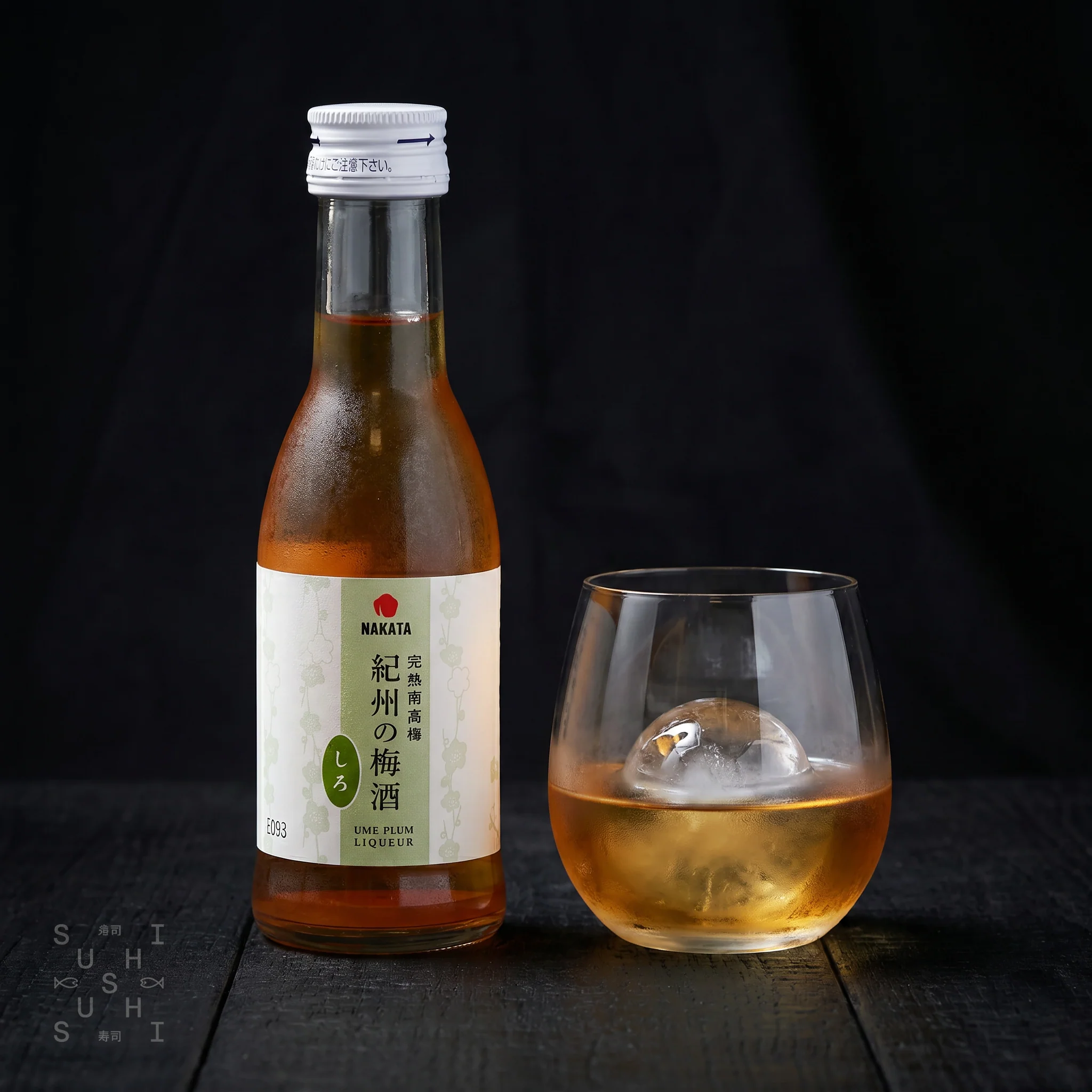
Nakata, Shiro Classic Umeshu (White Plum Wine), 180ml
Japan's Flagship Plum Wine, in a Try-Me Size
The same flagship umeshu from Nakata Foods, Japan's leading ume house, in a handy 180ml bottle, perfect for trying it for the first time, gifting, or a single sitting. Made from tree-ripened Nanko ume, the prized Wakayama plum, and local spring water, Shiro Classic has a rich, fragrant aroma and a round, full fruitiness balanced by ume's natural acidity. Sweet but never cloying, it is the most versatile bottle in the range, lovely on the rocks before or after a meal.
Why People Choose This
- Perfect first taste: the 180ml size to try the flagship before committing
- Tree-ripened Nanko ume: Wakayama's premier plum, the benchmark for umeshu
- Rich, rounded fruit: fragrant aroma with ume's natural acidity for balance
- Easy gift: a neat, giftable bottle of Japan's best-known plum wine
How to Serve
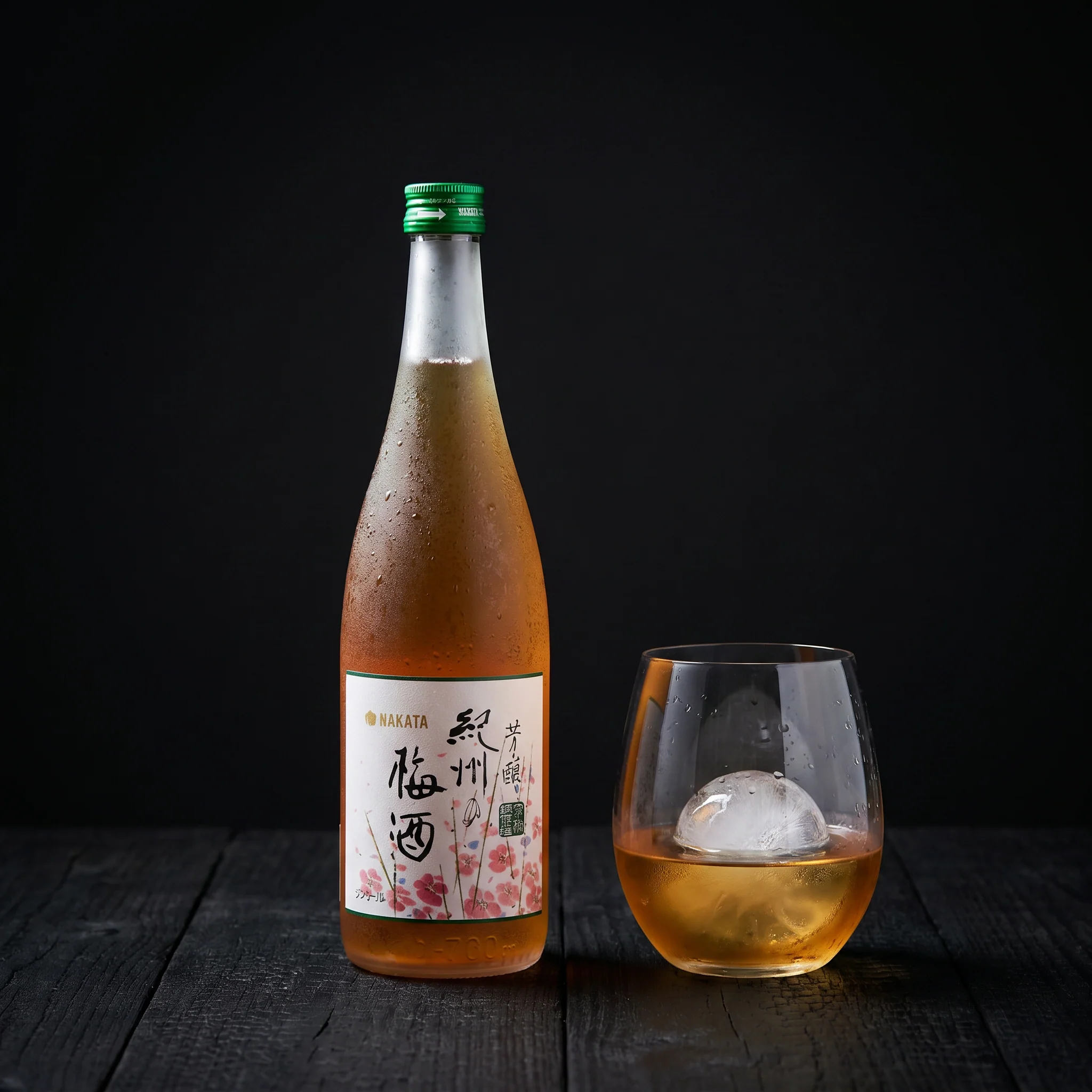
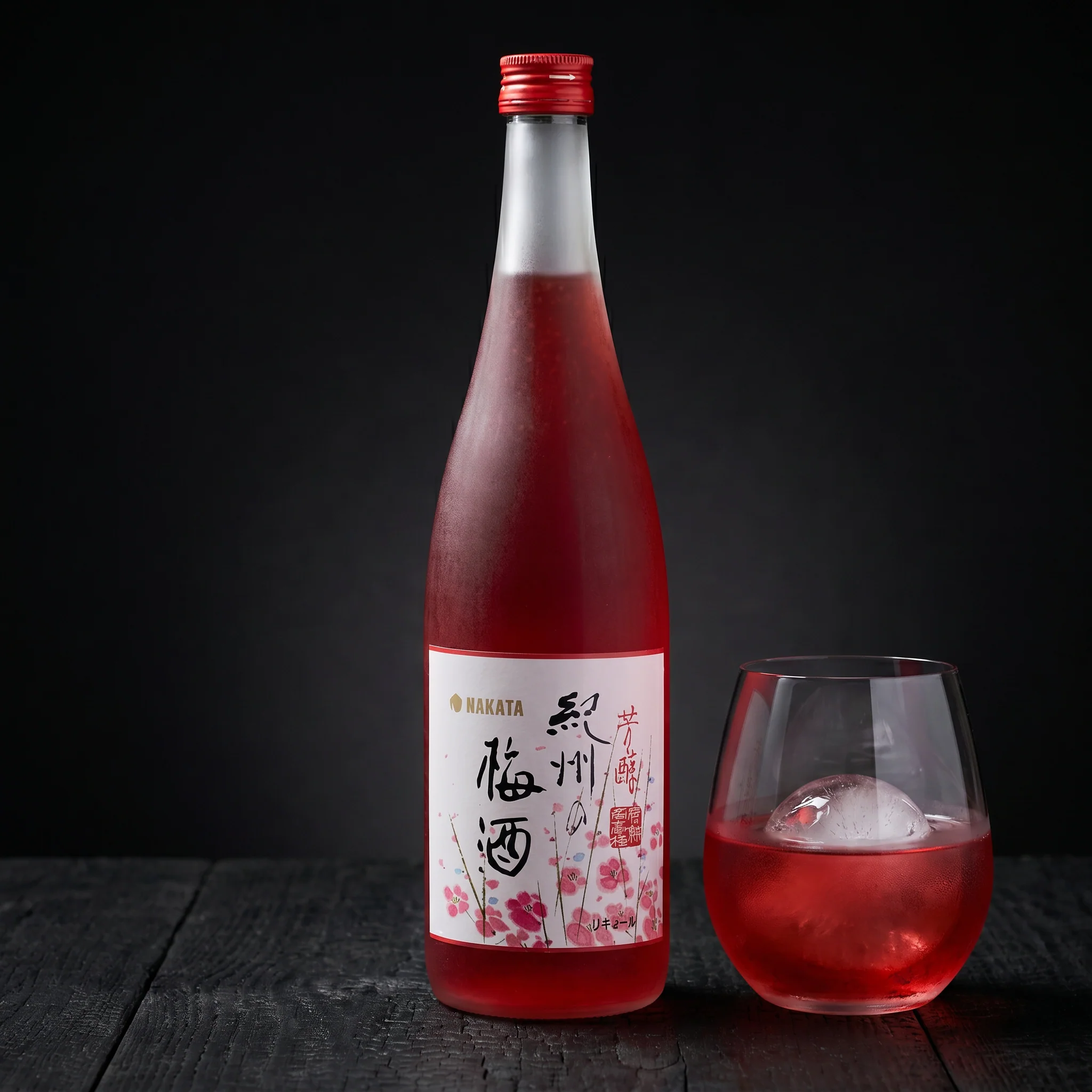
- On the rocks: the classic way, over a large ice cube
- With soda: topped with soda for a lighter, longer aperitif
- Chilled and neat: as a dessert pour or digestif
- In cocktails: a fruity, sweet base for mixed drinks
梅酒 — Umeshu, and Wakayama's ume country
Umeshu is made by steeping ume, the Japanese plum, in alcohol with sugar, and the fruit decides everything. Wakayama (historically Kishu) is the centre of Japan's ume production, and its Nanko ume is the most prized variety, thick-fleshed and richly aromatic. Nakata Foods, founded in Tanabe in 1897, sits at the heart of this country, beneath the UNESCO-listed Kumano Kodo pilgrimage trails. Shiro means "white", the clear, classic style: umeshu at its most traditional and complete, here in a small bottle to get to know it.
Also in this size: 300ml and 720ml.
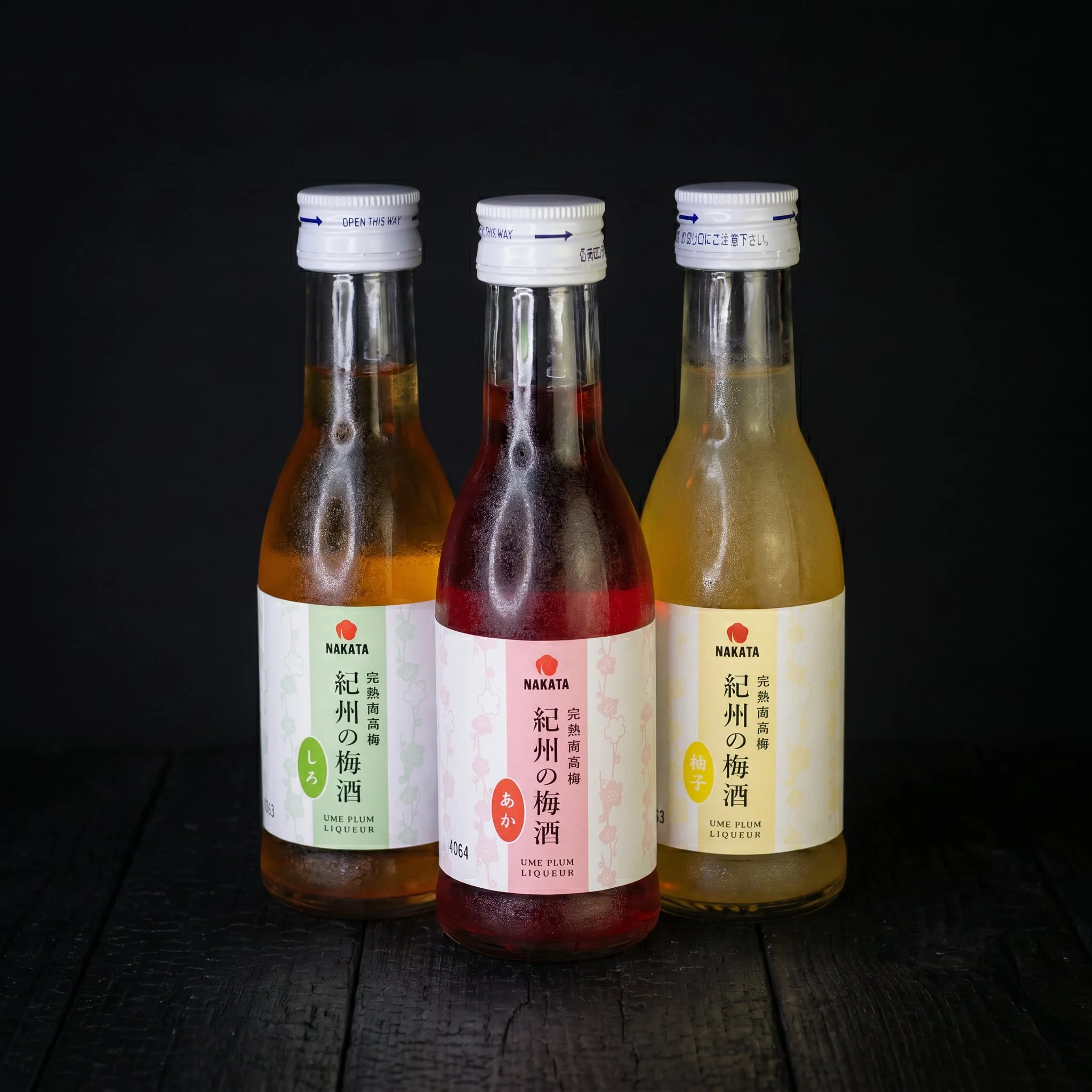
The wider Nakata range: Aka (red), Yuzu, Peach and Apple umeshu.
How should I drink umeshu?
However you like, which is part of its charm. Most people serve it on the rocks, where the ice slowly opens the fruit; topped with soda it becomes a long, refreshing aperitif; neat and chilled it works as a dessert wine or after-dinner digestif. It also makes an excellent cocktail base. At 12% it sits between a wine and a spirit in strength, so it is easy to drink and easy to mix.
Product Details
| Type | 梅酒 — Umeshu (ume / plum liqueur), white classic style |
| Maker | Nakata Foods (founded 1897), Tanabe, Wakayama |
| Fruit | Tree-ripened Nanko ume (Wakayama) |
| ABV | 12% |
| Character | Rich aroma, rounded sweet-tart fruit, versatile |
| Serve | On the rocks, with soda, chilled neat, or in cocktails |
| Volume | 180ml |
| Origin | Wakayama, Japan |
What is the difference between the white and red umeshu?
The white (Shiro) is the classic, all-purpose style: rich, rounded and versatile, good with almost anything. The red (Aka) is brighter and lighter, with a brilliant red colour, leaning towards lighter dishes and desserts. Start with the white for the definitive Nakata umeshu; reach for the red when you want something lighter and more decorative.
What is Nanko ume?
Nanko is the most prized variety of Japanese ume, grown in Kishu (Wakayama), with thick, soft flesh and a fine fragrance. It is the benchmark fruit for both umeboshi and umeshu, and using tree-ripened Nanko ume gives a fuller, more aromatic, more rounded liqueur than firmer, early-picked plums.
How should I store it?
Keep it out of direct sunlight and heat. Umeshu is stable thanks to its sugar and alcohol, so it does not need refrigerating before opening, though many prefer it chilled. Once open, keep the cap on and use within a few months for the freshest flavour; refrigerating after opening helps preserve its aromatics.
More Images
Nakata, Shiro Classic Umeshu (White Plum Wine), 180ml
Japan's Flagship Plum Wine, in a Try-Me Size
The same flagship umeshu from Nakata Foods, Japan's leading ume house, in a handy 180ml bottle, perfect for trying it for the first time, gifting, or a single sitting. Made from tree-ripened Nanko ume, the prized Wakayama plum, and local spring water, Shiro Classic has a rich, fragrant aroma and a round, full fruitiness balanced by ume's natural acidity. Sweet but never cloying, it is the most versatile bottle in the range, lovely on the rocks before or after a meal.
Why People Choose This
- Perfect first taste: the 180ml size to try the flagship before committing
- Tree-ripened Nanko ume: Wakayama's premier plum, the benchmark for umeshu
- Rich, rounded fruit: fragrant aroma with ume's natural acidity for balance
- Easy gift: a neat, giftable bottle of Japan's best-known plum wine
How to Serve
- On the rocks: the classic way, over a large ice cube
- With soda: topped with soda for a lighter, longer aperitif
- Chilled and neat: as a dessert pour or digestif
- In cocktails: a fruity, sweet base for mixed drinks
梅酒 — Umeshu, and Wakayama's ume country
Umeshu is made by steeping ume, the Japanese plum, in alcohol with sugar, and the fruit decides everything. Wakayama (historically Kishu) is the centre of Japan's ume production, and its Nanko ume is the most prized variety, thick-fleshed and richly aromatic. Nakata Foods, founded in Tanabe in 1897, sits at the heart of this country, beneath the UNESCO-listed Kumano Kodo pilgrimage trails. Shiro means "white", the clear, classic style: umeshu at its most traditional and complete, here in a small bottle to get to know it.
Also in this size: 300ml and 720ml.
The wider Nakata range: Aka (red), Yuzu, Peach and Apple umeshu.
How should I drink umeshu?
However you like, which is part of its charm. Most people serve it on the rocks, where the ice slowly opens the fruit; topped with soda it becomes a long, refreshing aperitif; neat and chilled it works as a dessert wine or after-dinner digestif. It also makes an excellent cocktail base. At 12% it sits between a wine and a spirit in strength, so it is easy to drink and easy to mix.
Product Details
| Type | 梅酒 — Umeshu (ume / plum liqueur), white classic style |
| Maker | Nakata Foods (founded 1897), Tanabe, Wakayama |
| Fruit | Tree-ripened Nanko ume (Wakayama) |
| ABV | 12% |
| Character | Rich aroma, rounded sweet-tart fruit, versatile |
| Serve | On the rocks, with soda, chilled neat, or in cocktails |
| Volume | 180ml |
| Origin | Wakayama, Japan |
What is the difference between the white and red umeshu?
The white (Shiro) is the classic, all-purpose style: rich, rounded and versatile, good with almost anything. The red (Aka) is brighter and lighter, with a brilliant red colour, leaning towards lighter dishes and desserts. Start with the white for the definitive Nakata umeshu; reach for the red when you want something lighter and more decorative.
What is Nanko ume?
Nanko is the most prized variety of Japanese ume, grown in Kishu (Wakayama), with thick, soft flesh and a fine fragrance. It is the benchmark fruit for both umeboshi and umeshu, and using tree-ripened Nanko ume gives a fuller, more aromatic, more rounded liqueur than firmer, early-picked plums.
How should I store it?
Keep it out of direct sunlight and heat. Umeshu is stable thanks to its sugar and alcohol, so it does not need refrigerating before opening, though many prefer it chilled. Once open, keep the cap on and use within a few months for the freshest flavour; refrigerating after opening helps preserve its aromatics.
Product Information
Product Information
Shipping & Returns
Shipping & Returns
Description
Japan's Flagship Plum Wine, in a Try-Me Size
The same flagship umeshu from Nakata Foods, Japan's leading ume house, in a handy 180ml bottle, perfect for trying it for the first time, gifting, or a single sitting. Made from tree-ripened Nanko ume, the prized Wakayama plum, and local spring water, Shiro Classic has a rich, fragrant aroma and a round, full fruitiness balanced by ume's natural acidity. Sweet but never cloying, it is the most versatile bottle in the range, lovely on the rocks before or after a meal.
Why People Choose This
- Perfect first taste: the 180ml size to try the flagship before committing
- Tree-ripened Nanko ume: Wakayama's premier plum, the benchmark for umeshu
- Rich, rounded fruit: fragrant aroma with ume's natural acidity for balance
- Easy gift: a neat, giftable bottle of Japan's best-known plum wine
How to Serve
- On the rocks: the classic way, over a large ice cube
- With soda: topped with soda for a lighter, longer aperitif
- Chilled and neat: as a dessert pour or digestif
- In cocktails: a fruity, sweet base for mixed drinks
梅酒 — Umeshu, and Wakayama's ume country
Umeshu is made by steeping ume, the Japanese plum, in alcohol with sugar, and the fruit decides everything. Wakayama (historically Kishu) is the centre of Japan's ume production, and its Nanko ume is the most prized variety, thick-fleshed and richly aromatic. Nakata Foods, founded in Tanabe in 1897, sits at the heart of this country, beneath the UNESCO-listed Kumano Kodo pilgrimage trails. Shiro means "white", the clear, classic style: umeshu at its most traditional and complete, here in a small bottle to get to know it.
Also in this size: 300ml and 720ml.
The wider Nakata range: Aka (red), Yuzu, Peach and Apple umeshu.
How should I drink umeshu?
However you like, which is part of its charm. Most people serve it on the rocks, where the ice slowly opens the fruit; topped with soda it becomes a long, refreshing aperitif; neat and chilled it works as a dessert wine or after-dinner digestif. It also makes an excellent cocktail base. At 12% it sits between a wine and a spirit in strength, so it is easy to drink and easy to mix.
Product Details
| Type | 梅酒 — Umeshu (ume / plum liqueur), white classic style |
| Maker | Nakata Foods (founded 1897), Tanabe, Wakayama |
| Fruit | Tree-ripened Nanko ume (Wakayama) |
| ABV | 12% |
| Character | Rich aroma, rounded sweet-tart fruit, versatile |
| Serve | On the rocks, with soda, chilled neat, or in cocktails |
| Volume | 180ml |
| Origin | Wakayama, Japan |
What is the difference between the white and red umeshu?
The white (Shiro) is the classic, all-purpose style: rich, rounded and versatile, good with almost anything. The red (Aka) is brighter and lighter, with a brilliant red colour, leaning towards lighter dishes and desserts. Start with the white for the definitive Nakata umeshu; reach for the red when you want something lighter and more decorative.
What is Nanko ume?
Nanko is the most prized variety of Japanese ume, grown in Kishu (Wakayama), with thick, soft flesh and a fine fragrance. It is the benchmark fruit for both umeboshi and umeshu, and using tree-ripened Nanko ume gives a fuller, more aromatic, more rounded liqueur than firmer, early-picked plums.
How should I store it?
Keep it out of direct sunlight and heat. Umeshu is stable thanks to its sugar and alcohol, so it does not need refrigerating before opening, though many prefer it chilled. Once open, keep the cap on and use within a few months for the freshest flavour; refrigerating after opening helps preserve its aromatics.