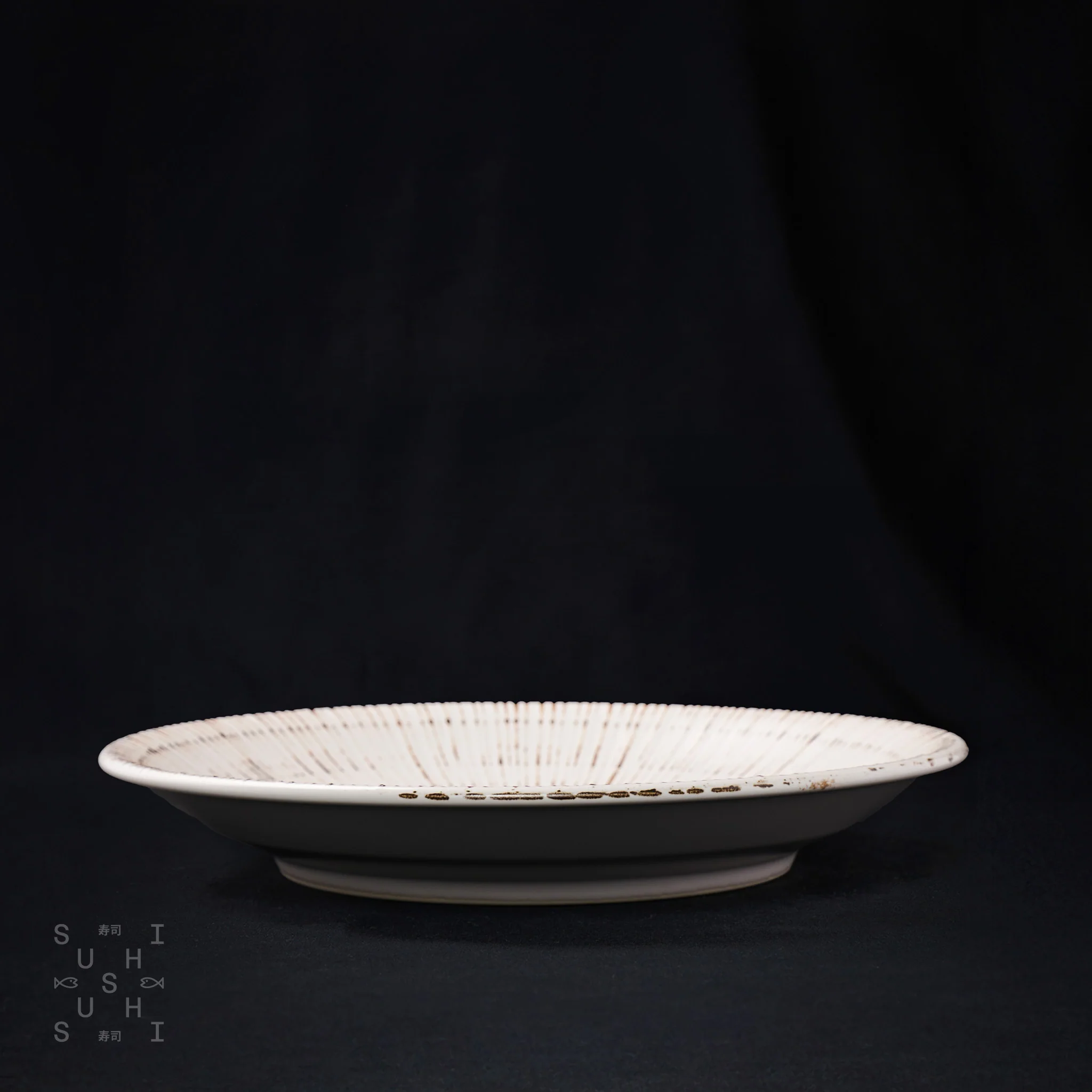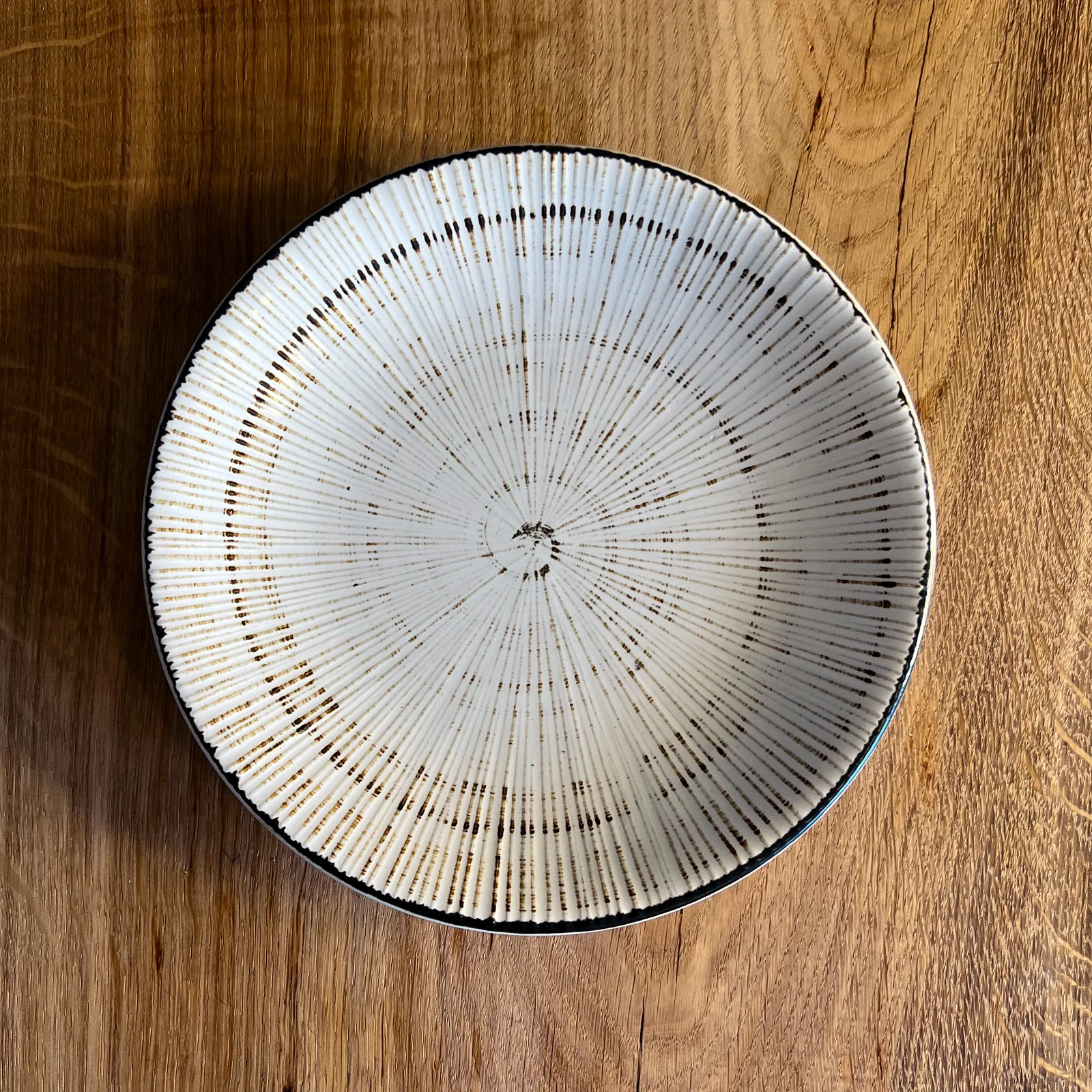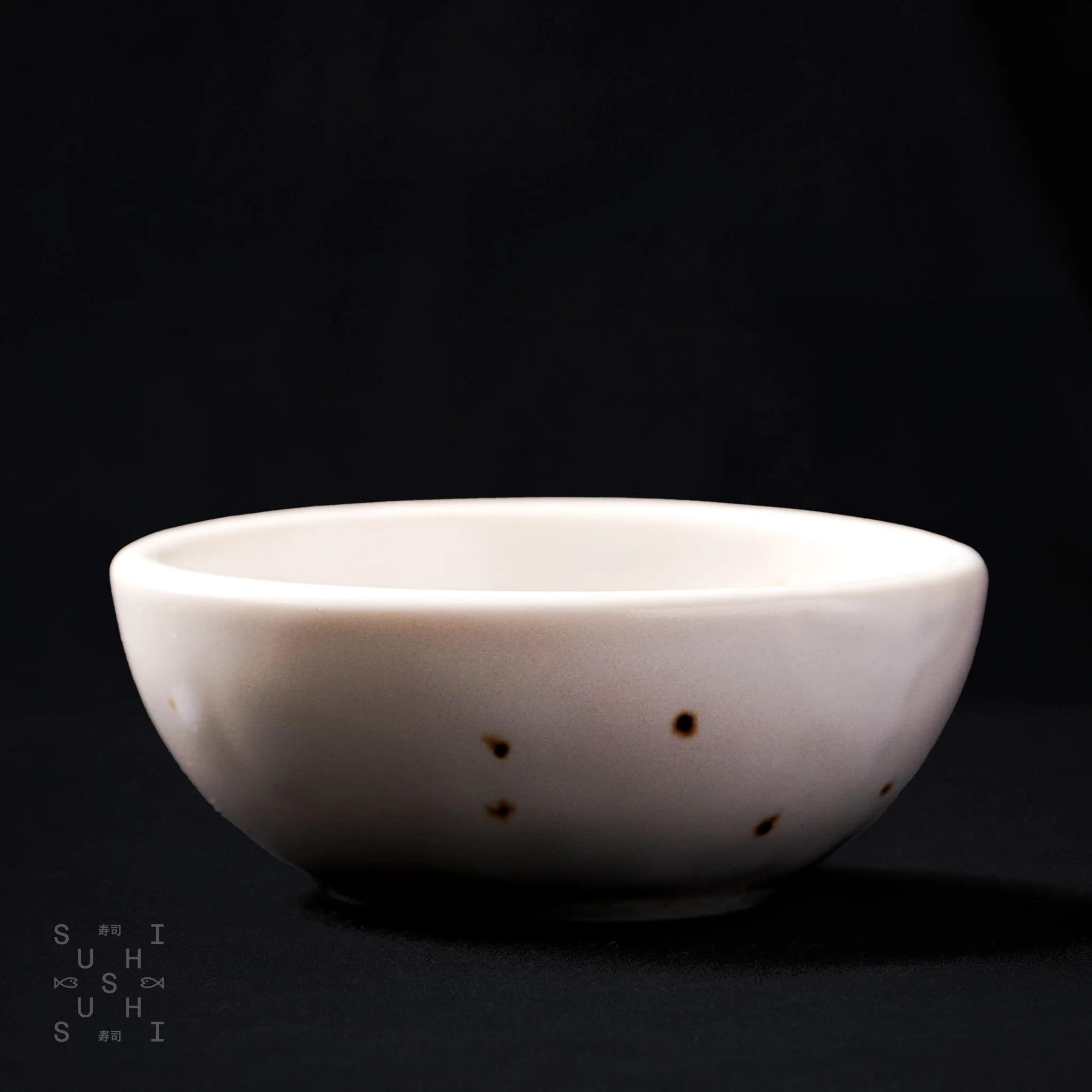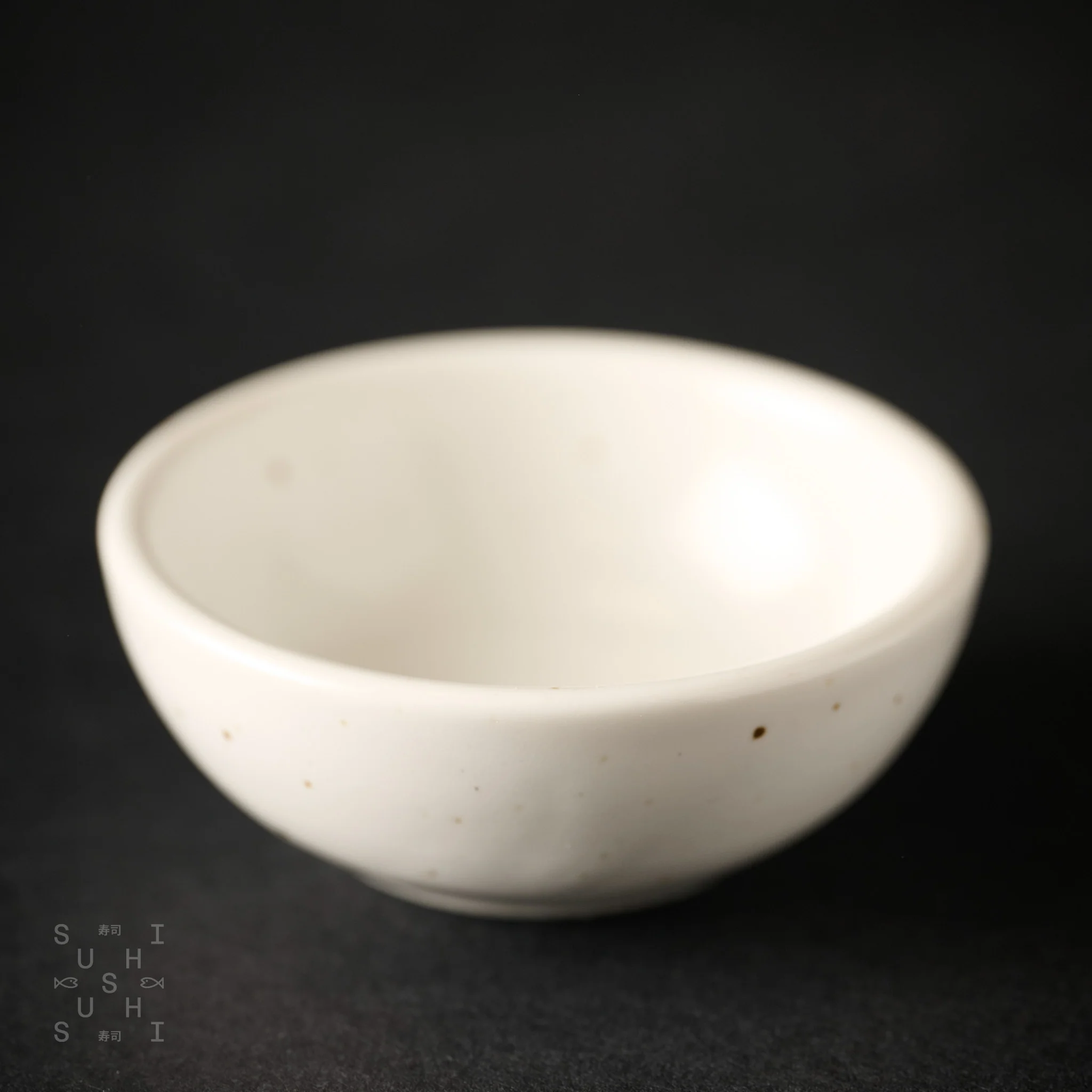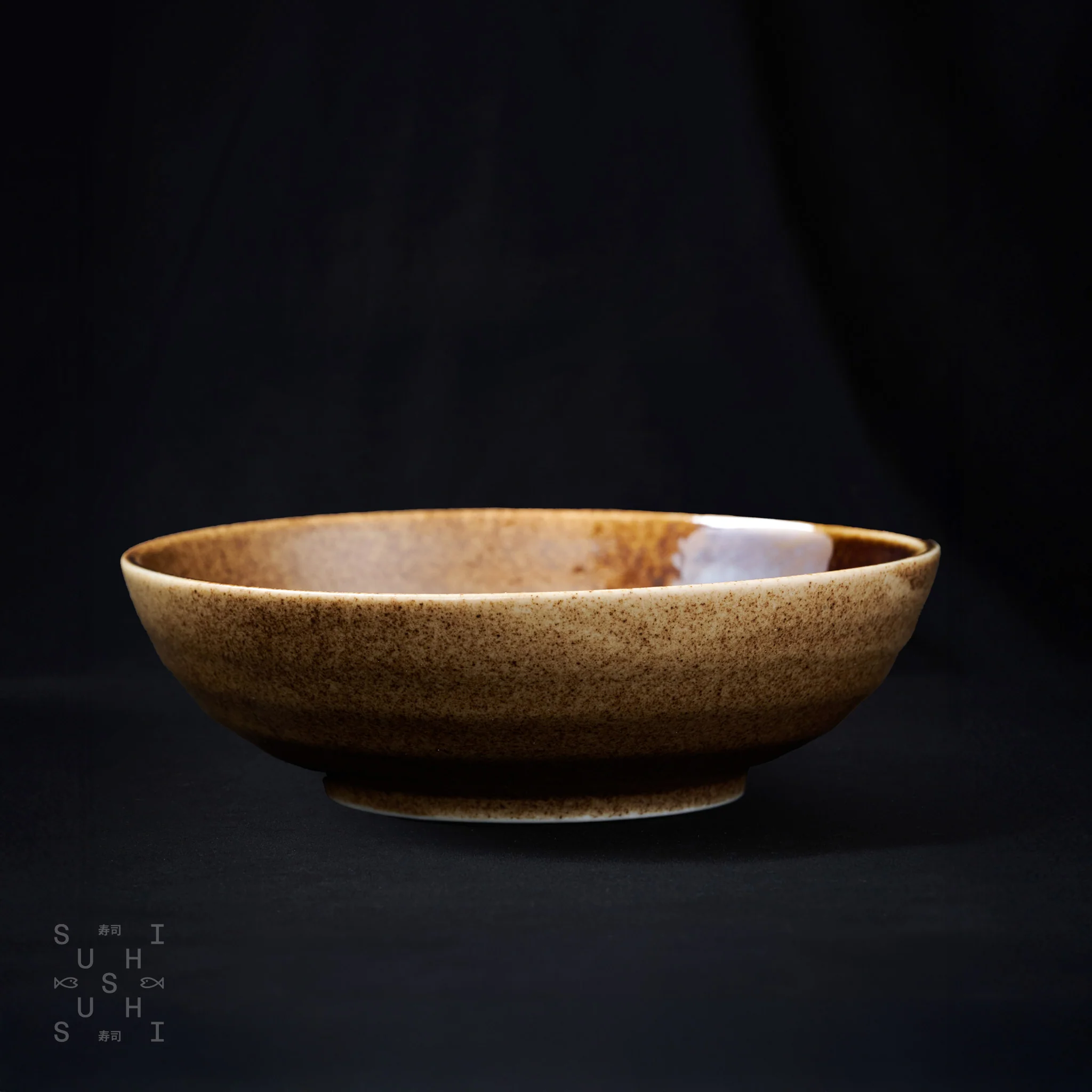
Shiragaki Bowl, 15cm
The Everyday Bowl, in Japan's Rustic Tradition
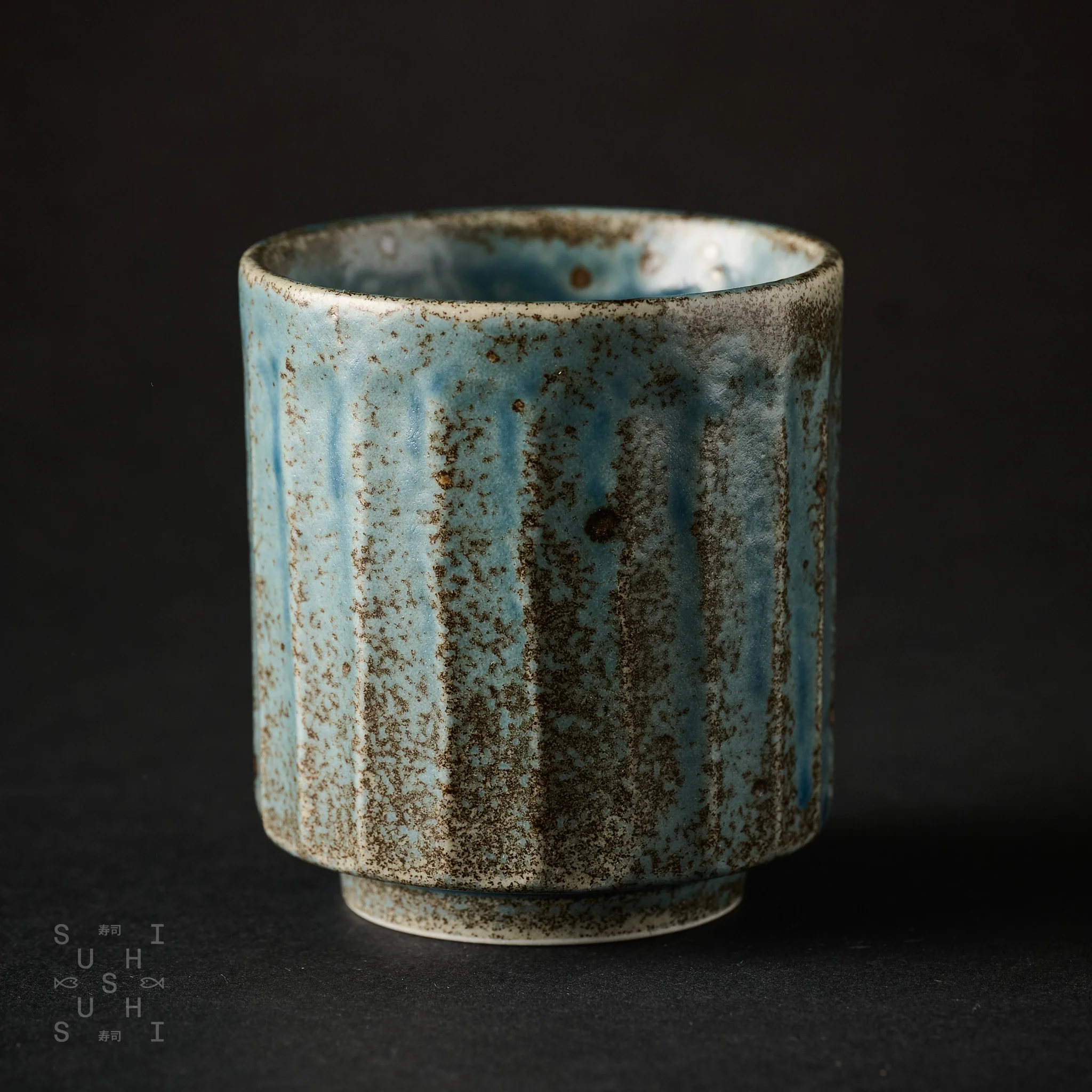
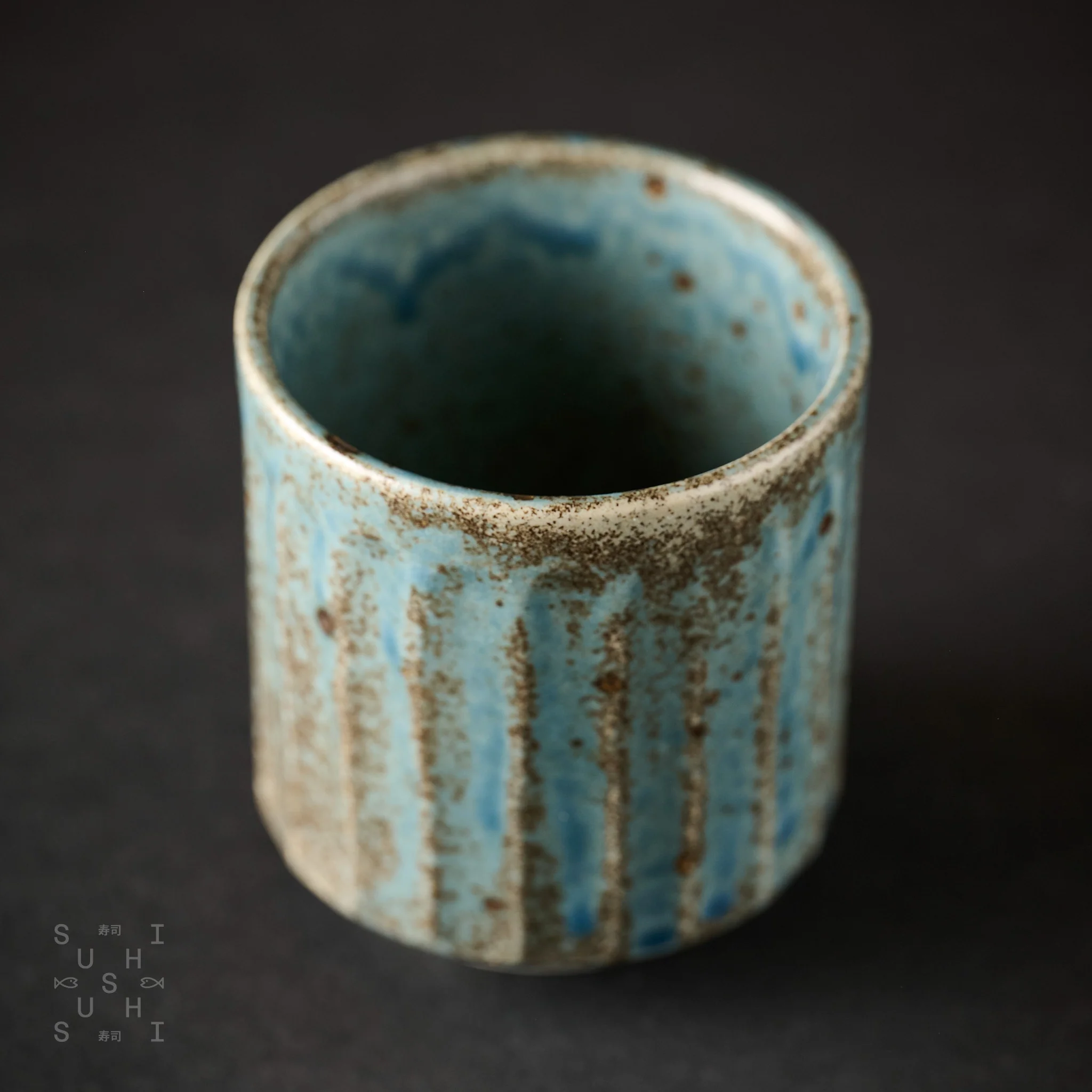
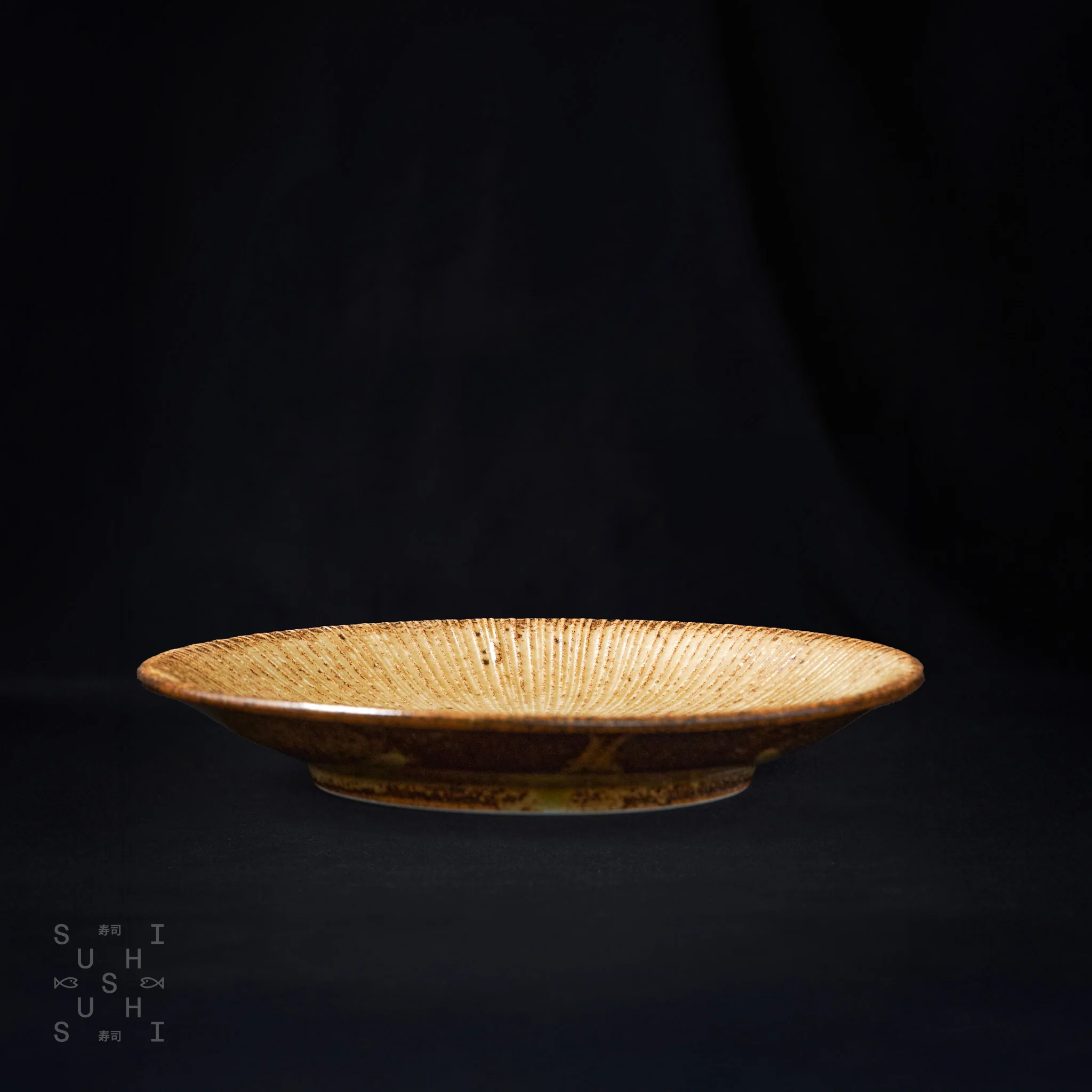
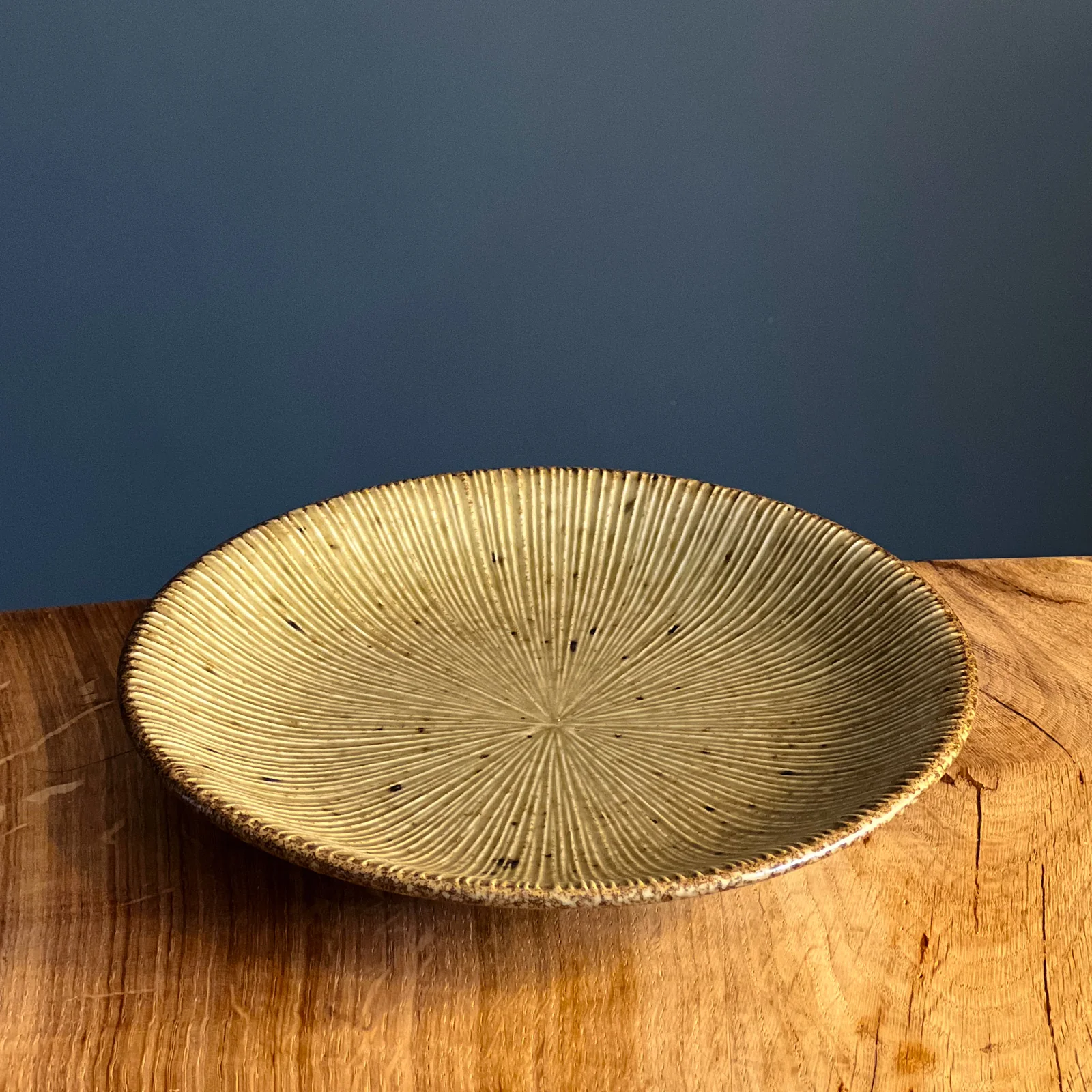
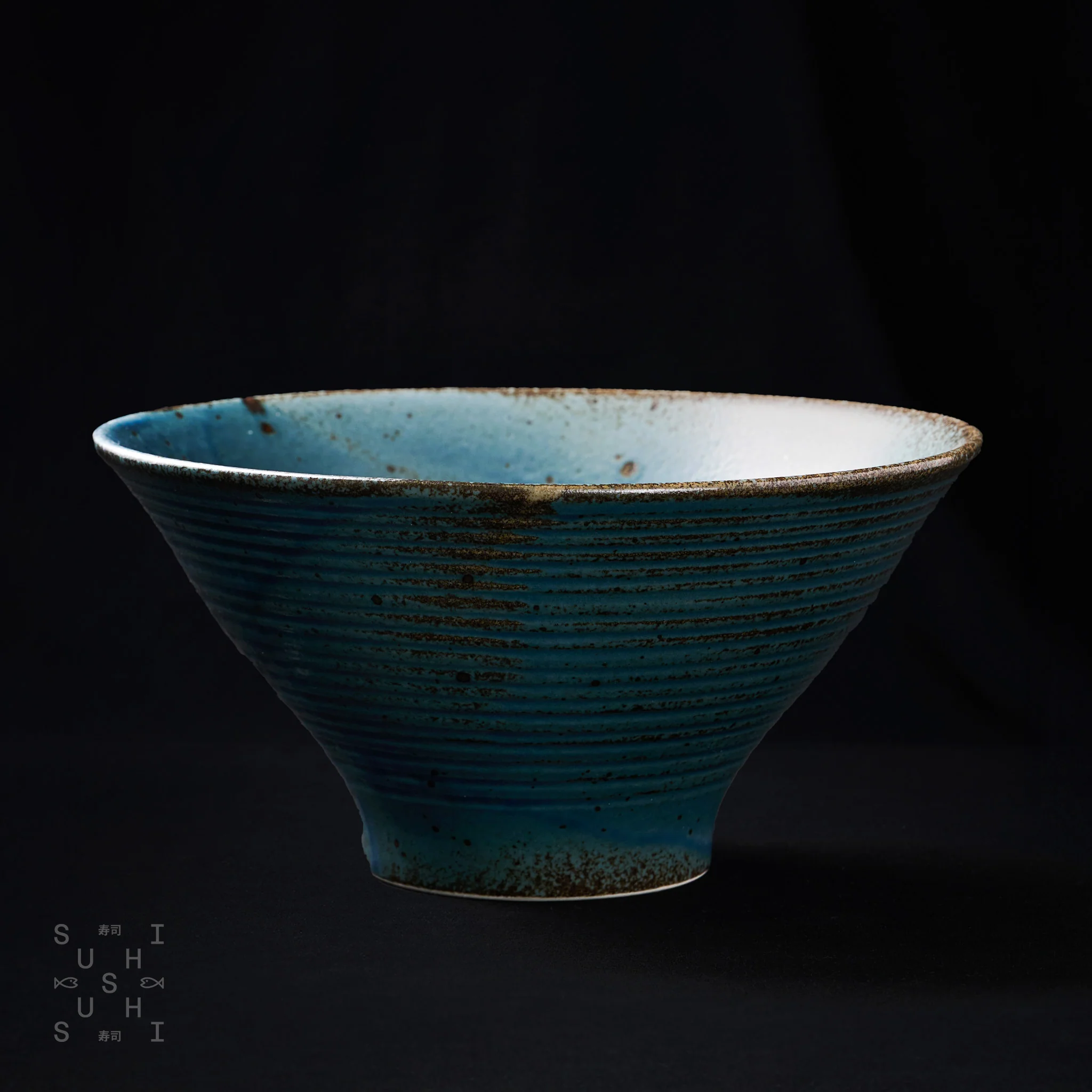
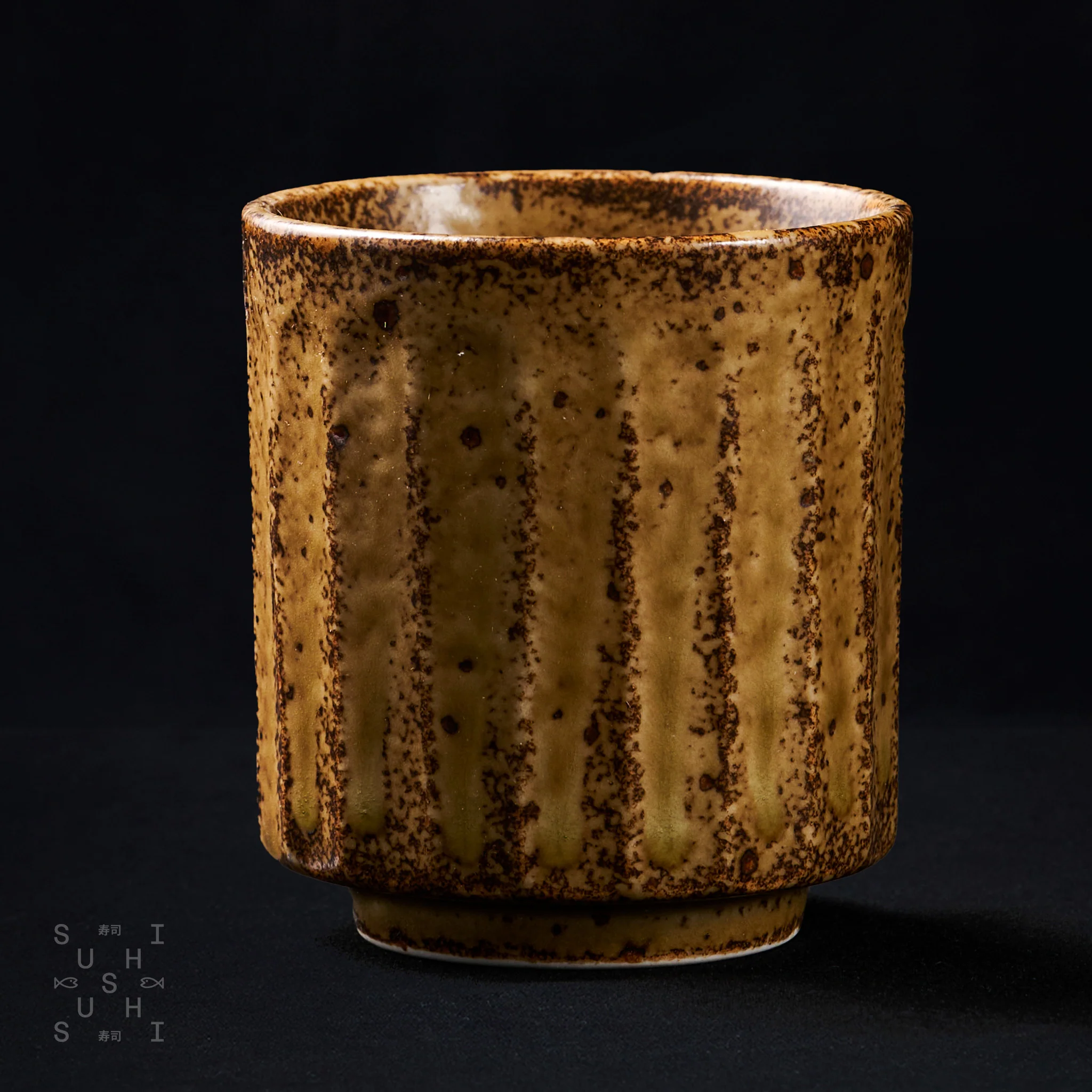
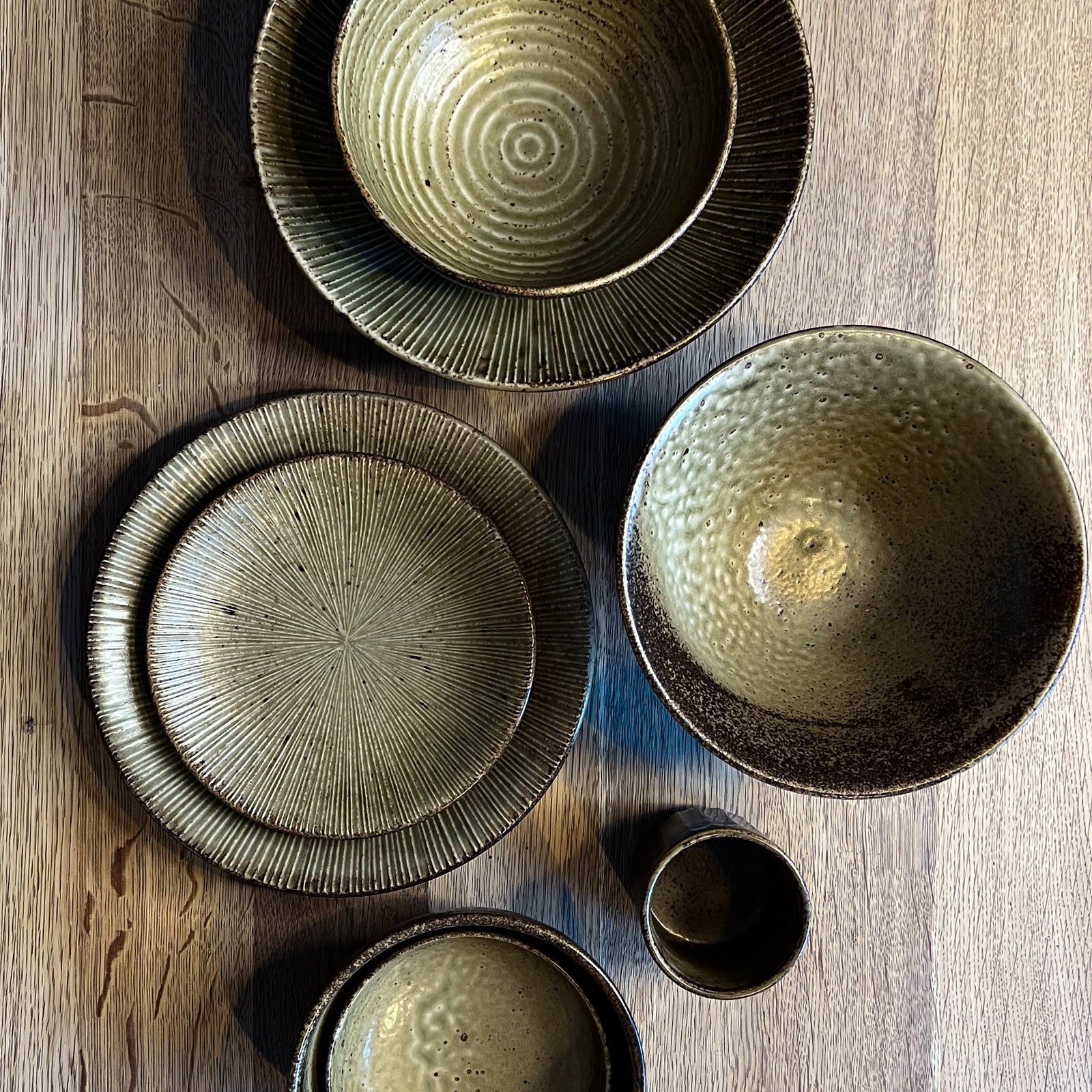
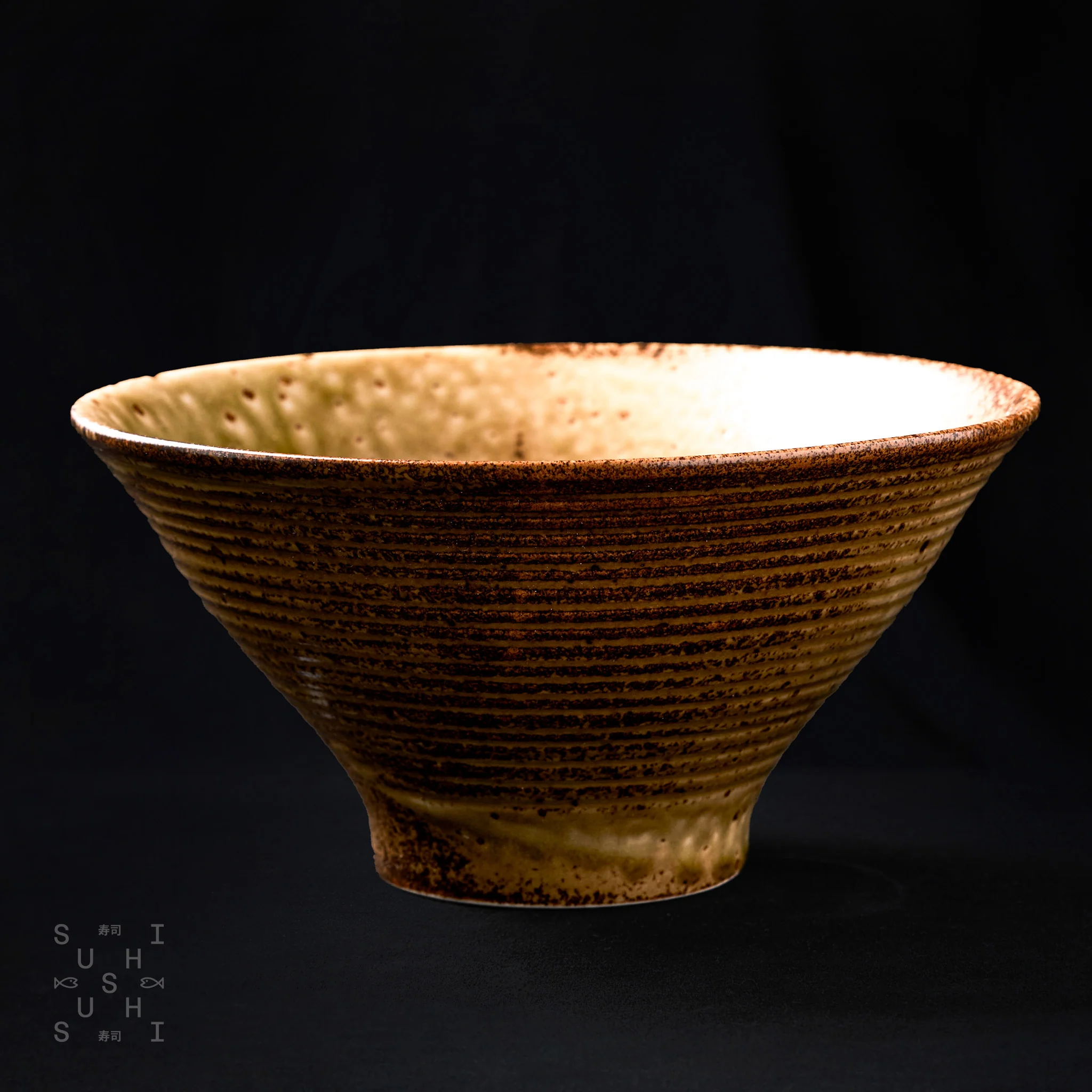
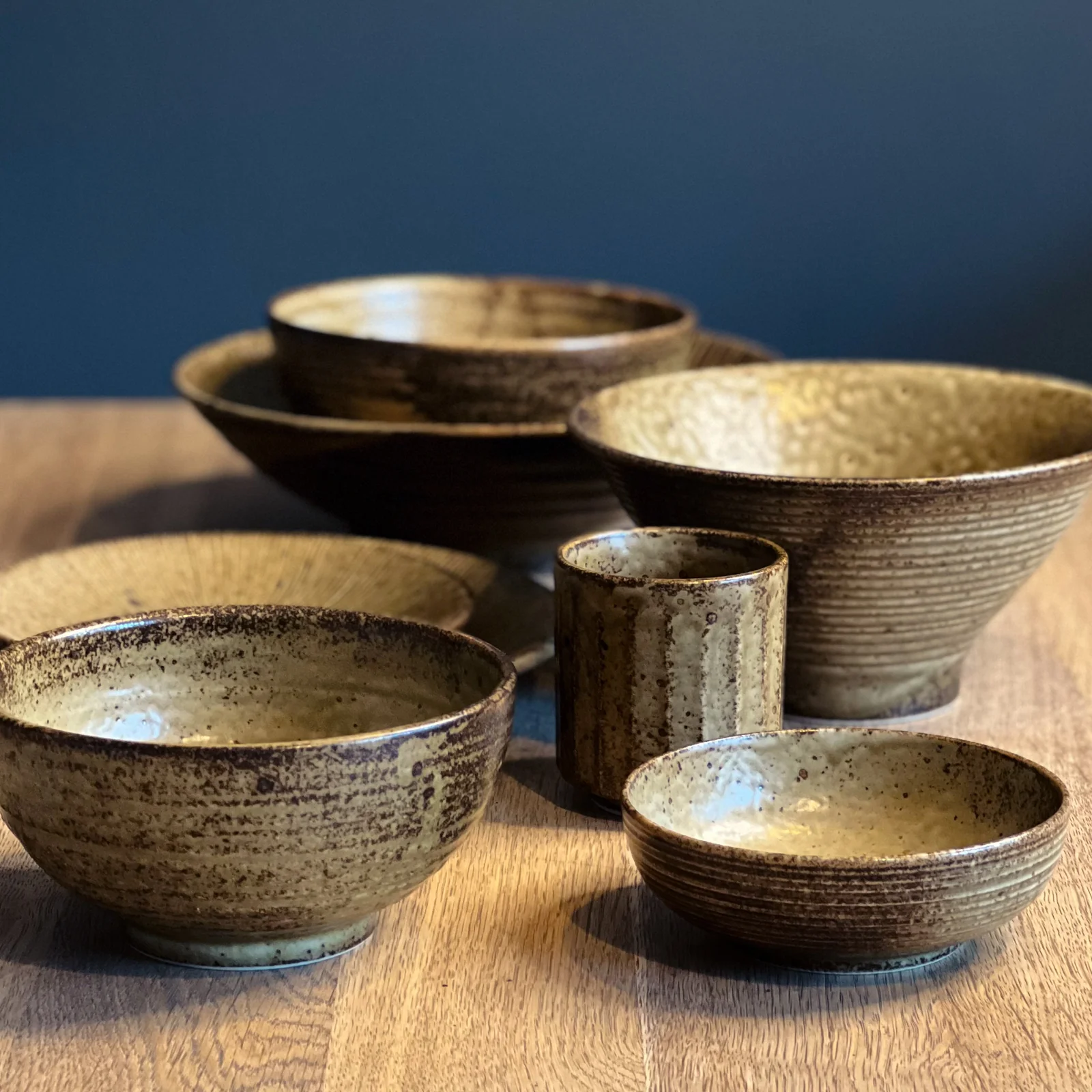
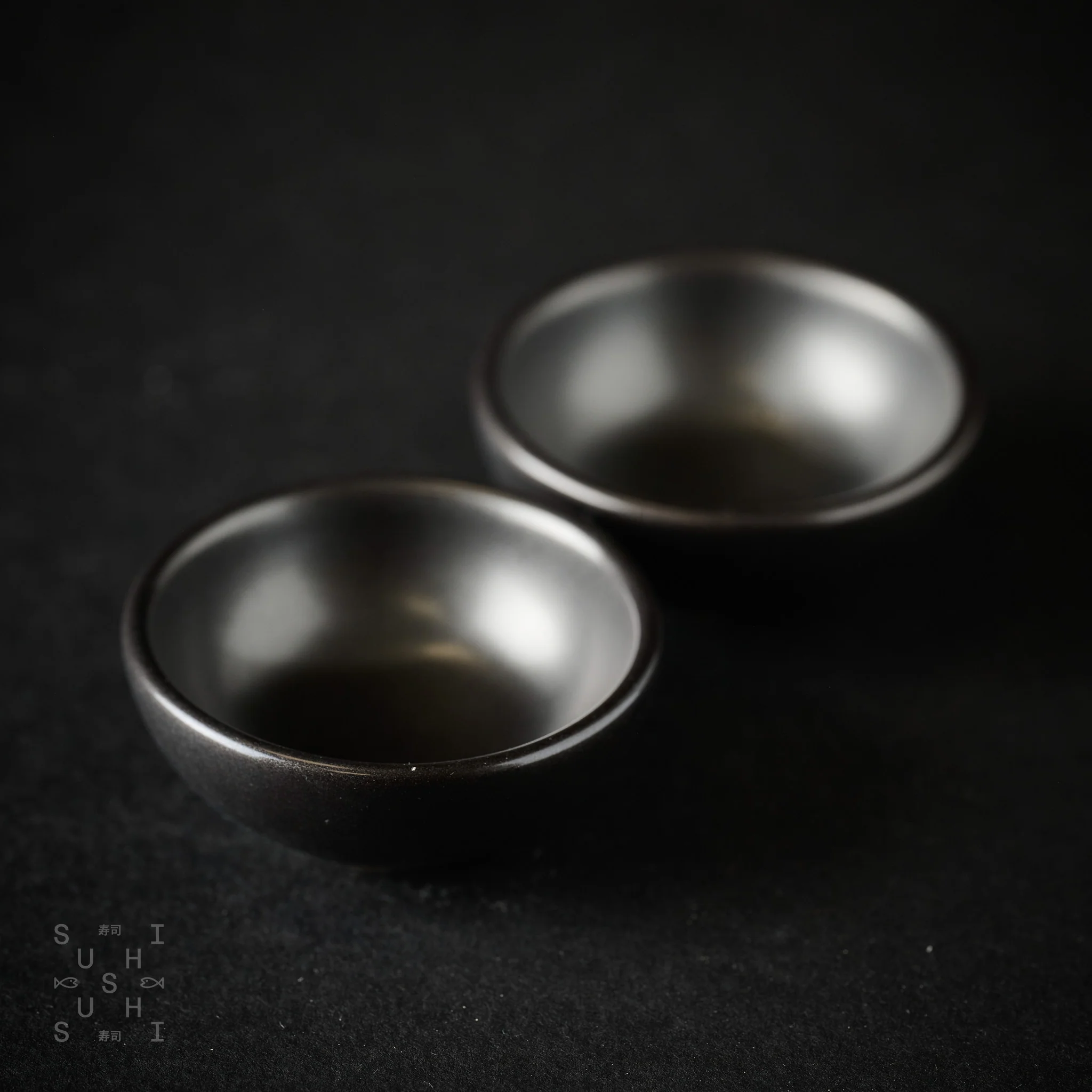
A bowl you use every day deserves more thought than most get. At 15cm this Japanese ceramic bowl is the genuine all-rounder, the right size for a bowl of rice, a small noodle serving, a donburi, a salad or a side dish. It is finished in the rustic, earthy style that Japan does better than anyone, drawing on the country's great pottery traditions of Shigaraki and Oribe: warm, tactile, and quietly characterful rather than glossy and uniform.
Why You'll Reach For It
- The most useful size: 15cm handles rice, noodles, donburi, salads and sides without being too big or too small
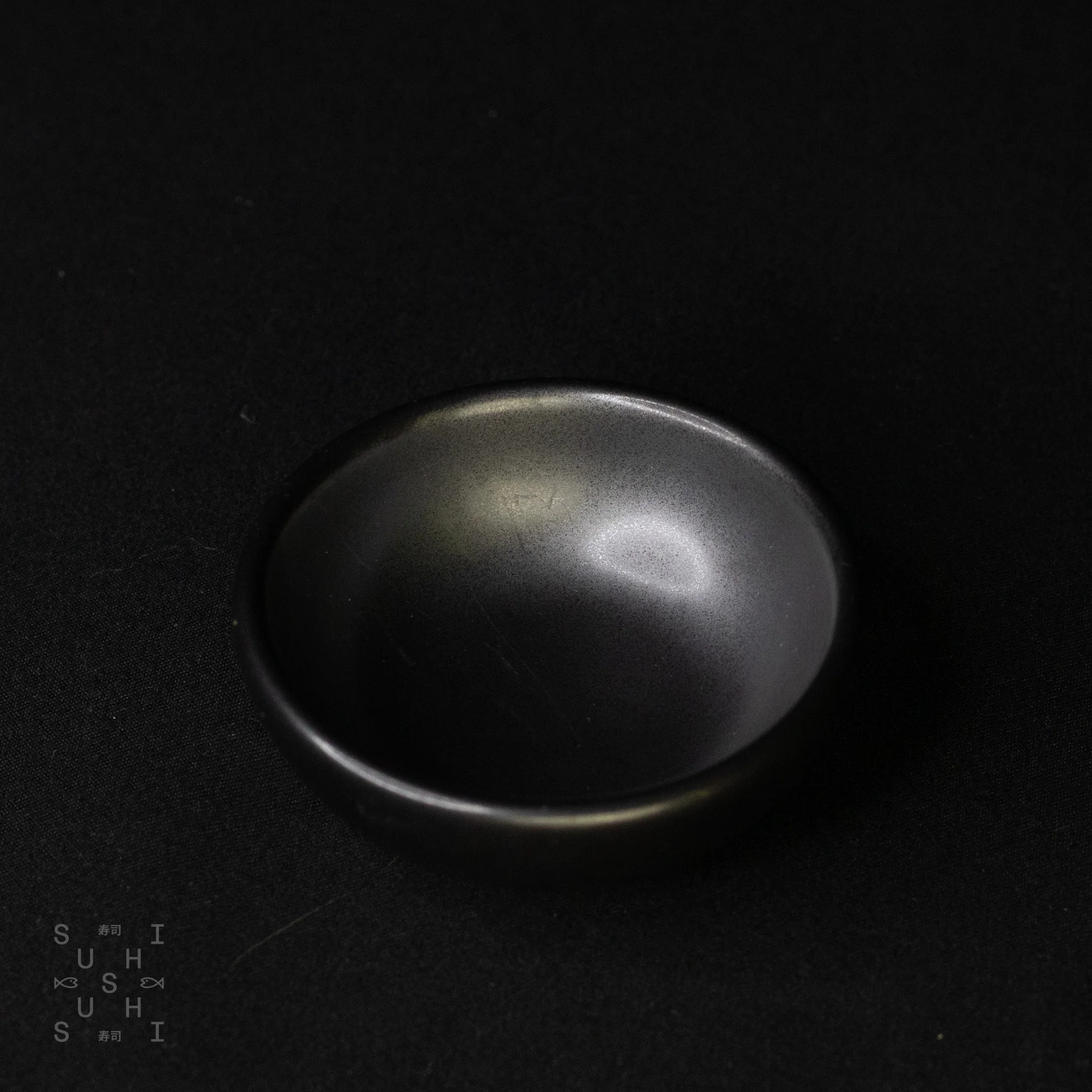
- Rustic, hand-finished glaze: earthy and tactile in the Shigaraki and Oribe spirit, not mass-produced gloss
- Restaurant-ready: the kind of characterful bowl that earns its place on a serious table
- Everyday value: a genuine piece of Japanese ceramics at an everyday price
How to Use
- Rice and donburi: the ideal size for a generous bowl of rice or a rice bowl dish
- Noodles: a small ramen, soba or udon serving, or a noodle salad
- Sides and salads: pickles, dressed vegetables, small salads or a shared side
- Service: a versatile bowl for plating across a tasting or set menu
信楽・織部 — Shigaraki and Oribe, two of Japan's pottery touchstones
Two names sit behind the rustic Japanese aesthetic this bowl draws on. Shigaraki (信楽), in Shiga Prefecture, is one of the Six Ancient Kilns of Japan, prized for its warm, earthy clay and unpolished, natural character, the look most people picture when they think of rustic Japanese stoneware. Oribe (織部), from the Mino kilns and named after the tea master Furuta Oribe, brought the opposite energy: bold, irregular forms and striking glazes that broke deliberately with symmetry and restraint. Between them they capture much of what makes Japanese ceramics so distinctive, the comfort of the earthy and the confidence of the unconventional, and a bowl in that spirit brings a little of both to the table.
What size bowl is most useful to own?
If you only buy one bowl, around 15cm is the size to choose. It is large enough for a proper bowl of rice, a small noodle dish or a donburi, yet small enough to double as a serving bowl for sides, pickles or a salad. Much smaller and it is limited to condiments; much larger and it becomes a dedicated ramen or sharing bowl. The 15cm middle ground is why this size turns up most often in both home kitchens and restaurants, it simply gets used for more things than any other.
Product Details
| Type | Japanese ceramic bowl |
| Diameter | 15cm |
| Style | Rustic, in the Shigaraki and Oribe traditions |
| Material | Ceramic |
| Best For | Rice, noodles, donburi, sides, salads |
| Origin | Japan |
| Care | Hand wash recommended to protect the glaze |
Will every bowl look exactly the same?
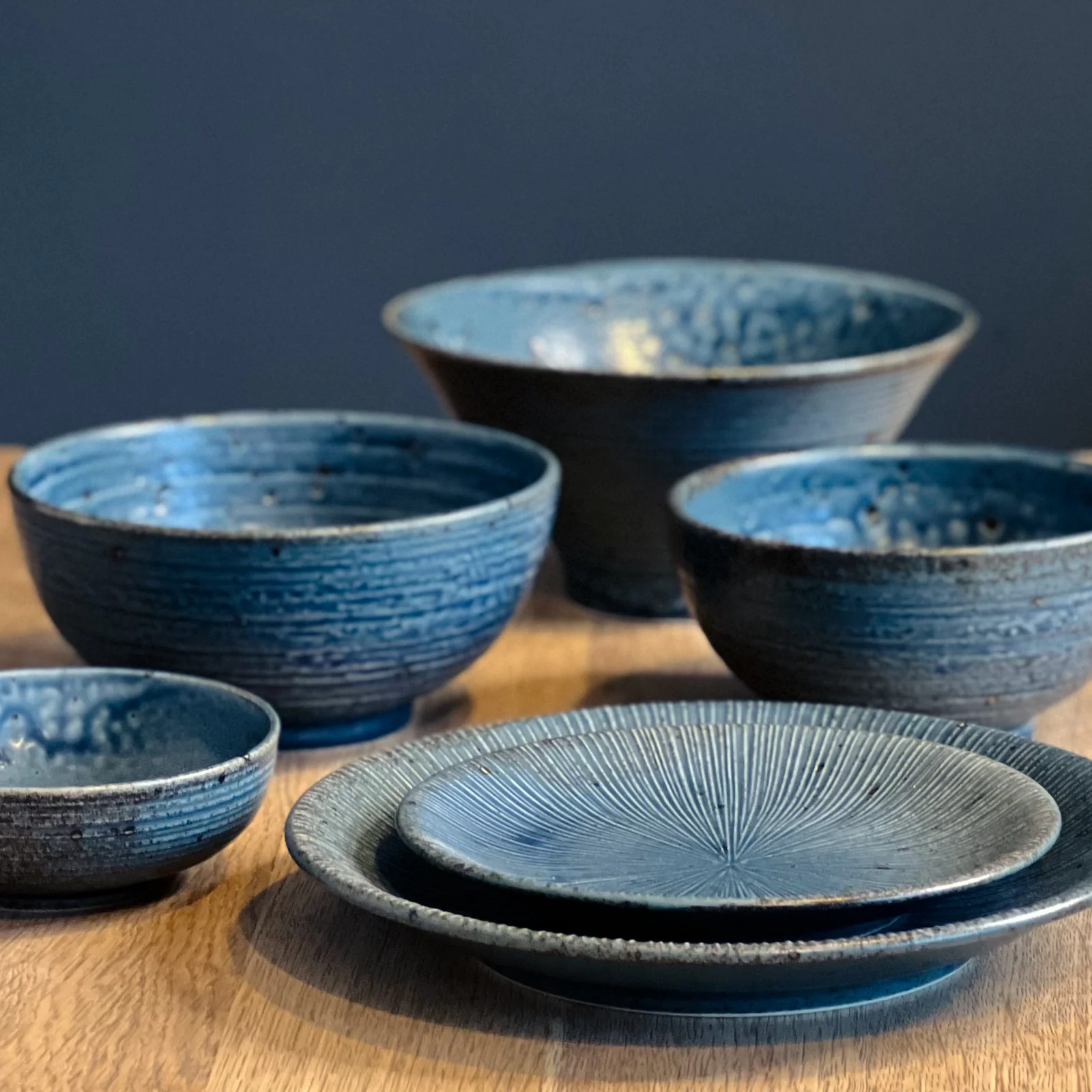
Expect slight variation. Rustic Japanese glazes are meant to carry character, so the colour and surface can differ a little from piece to piece. This is a feature of the style rather than a flaw, and it is why a set of these bowls reads as a warm, related family rather than identical machine-made copies. If buying several, they will complement each other on the table.
Is it suitable for hot dishes like ramen?
Yes, for a smaller serving. At 15cm it suits a modest bowl of ramen, soba or udon rather than a large sharing portion, and it handles hot food comfortably as a ceramic bowl. For a full-size ramen bowl you would want something larger and deeper, but for an individual noodle course, a donburi or a rice bowl, this size is well judged.
What are Shigaraki and Oribe ware?
They are two of Japan's most recognisable pottery traditions. Shigaraki is one of the Six Ancient Kilns, centred in Shiga Prefecture and known for warm, earthy, unpolished stoneware. Oribe, from the Mino kilns and named after the tea master Furuta Oribe, is known for bold, irregular shapes and distinctive glazes that broke with convention. This bowl is finished in the rustic spirit of those traditions rather than being a formal collector's piece, giving you that character at an everyday price.
Original: $18.77
-65%$18.77
$6.57More Images
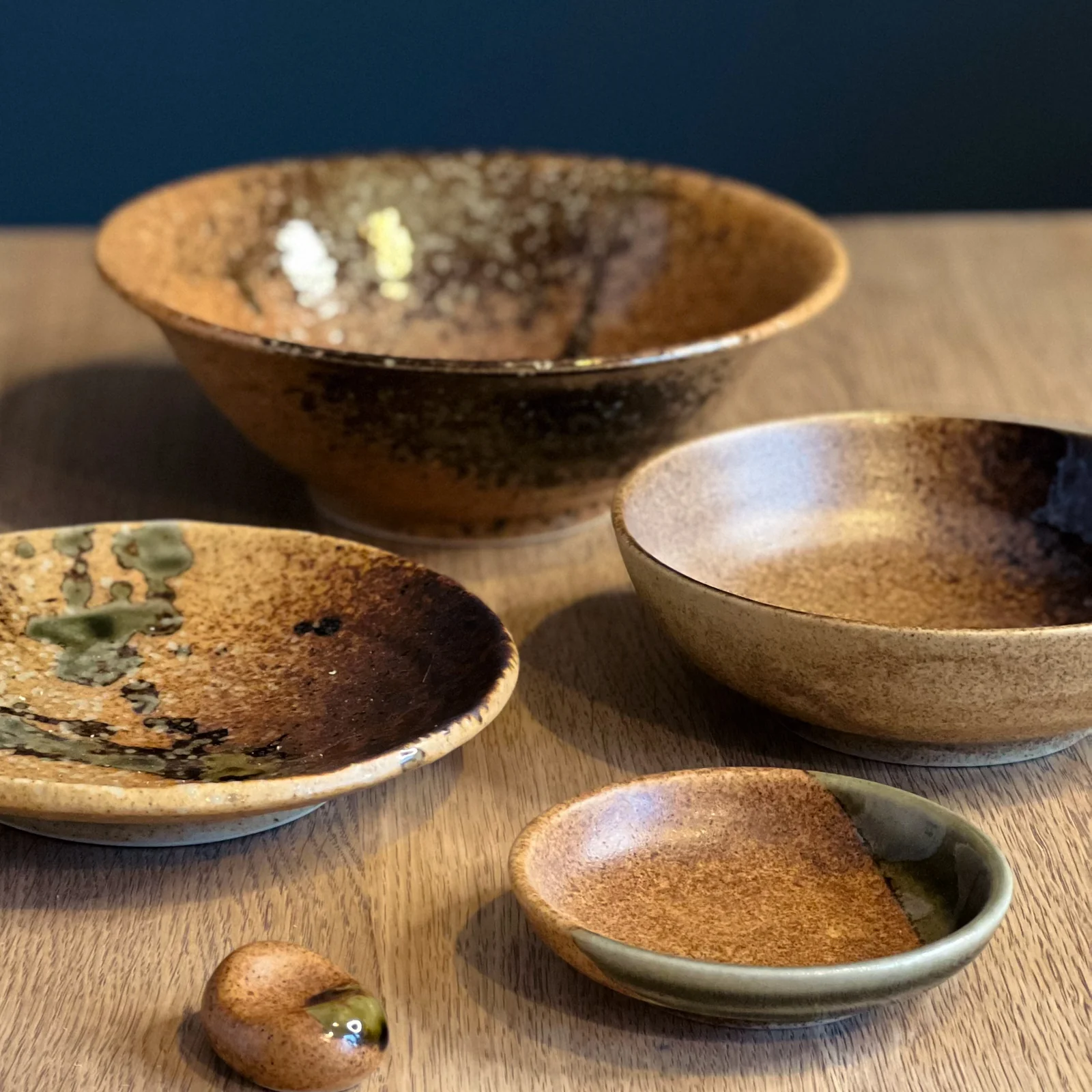
Shiragaki Bowl, 15cm
The Everyday Bowl, in Japan's Rustic Tradition
A bowl you use every day deserves more thought than most get. At 15cm this Japanese ceramic bowl is the genuine all-rounder, the right size for a bowl of rice, a small noodle serving, a donburi, a salad or a side dish. It is finished in the rustic, earthy style that Japan does better than anyone, drawing on the country's great pottery traditions of Shigaraki and Oribe: warm, tactile, and quietly characterful rather than glossy and uniform.
Why You'll Reach For It
- The most useful size: 15cm handles rice, noodles, donburi, salads and sides without being too big or too small
- Rustic, hand-finished glaze: earthy and tactile in the Shigaraki and Oribe spirit, not mass-produced gloss
- Restaurant-ready: the kind of characterful bowl that earns its place on a serious table
- Everyday value: a genuine piece of Japanese ceramics at an everyday price
How to Use
- Rice and donburi: the ideal size for a generous bowl of rice or a rice bowl dish
- Noodles: a small ramen, soba or udon serving, or a noodle salad
- Sides and salads: pickles, dressed vegetables, small salads or a shared side
- Service: a versatile bowl for plating across a tasting or set menu
信楽・織部 — Shigaraki and Oribe, two of Japan's pottery touchstones
Two names sit behind the rustic Japanese aesthetic this bowl draws on. Shigaraki (信楽), in Shiga Prefecture, is one of the Six Ancient Kilns of Japan, prized for its warm, earthy clay and unpolished, natural character, the look most people picture when they think of rustic Japanese stoneware. Oribe (織部), from the Mino kilns and named after the tea master Furuta Oribe, brought the opposite energy: bold, irregular forms and striking glazes that broke deliberately with symmetry and restraint. Between them they capture much of what makes Japanese ceramics so distinctive, the comfort of the earthy and the confidence of the unconventional, and a bowl in that spirit brings a little of both to the table.
What size bowl is most useful to own?
If you only buy one bowl, around 15cm is the size to choose. It is large enough for a proper bowl of rice, a small noodle dish or a donburi, yet small enough to double as a serving bowl for sides, pickles or a salad. Much smaller and it is limited to condiments; much larger and it becomes a dedicated ramen or sharing bowl. The 15cm middle ground is why this size turns up most often in both home kitchens and restaurants, it simply gets used for more things than any other.
Product Details
| Type | Japanese ceramic bowl |
| Diameter | 15cm |
| Style | Rustic, in the Shigaraki and Oribe traditions |
| Material | Ceramic |
| Best For | Rice, noodles, donburi, sides, salads |
| Origin | Japan |
| Care | Hand wash recommended to protect the glaze |
Will every bowl look exactly the same?
Expect slight variation. Rustic Japanese glazes are meant to carry character, so the colour and surface can differ a little from piece to piece. This is a feature of the style rather than a flaw, and it is why a set of these bowls reads as a warm, related family rather than identical machine-made copies. If buying several, they will complement each other on the table.
Is it suitable for hot dishes like ramen?
Yes, for a smaller serving. At 15cm it suits a modest bowl of ramen, soba or udon rather than a large sharing portion, and it handles hot food comfortably as a ceramic bowl. For a full-size ramen bowl you would want something larger and deeper, but for an individual noodle course, a donburi or a rice bowl, this size is well judged.
What are Shigaraki and Oribe ware?
They are two of Japan's most recognisable pottery traditions. Shigaraki is one of the Six Ancient Kilns, centred in Shiga Prefecture and known for warm, earthy, unpolished stoneware. Oribe, from the Mino kilns and named after the tea master Furuta Oribe, is known for bold, irregular shapes and distinctive glazes that broke with convention. This bowl is finished in the rustic spirit of those traditions rather than being a formal collector's piece, giving you that character at an everyday price.
Product Information
Product Information
Shipping & Returns
Shipping & Returns
Description
The Everyday Bowl, in Japan's Rustic Tradition
A bowl you use every day deserves more thought than most get. At 15cm this Japanese ceramic bowl is the genuine all-rounder, the right size for a bowl of rice, a small noodle serving, a donburi, a salad or a side dish. It is finished in the rustic, earthy style that Japan does better than anyone, drawing on the country's great pottery traditions of Shigaraki and Oribe: warm, tactile, and quietly characterful rather than glossy and uniform.
Why You'll Reach For It
- The most useful size: 15cm handles rice, noodles, donburi, salads and sides without being too big or too small
- Rustic, hand-finished glaze: earthy and tactile in the Shigaraki and Oribe spirit, not mass-produced gloss
- Restaurant-ready: the kind of characterful bowl that earns its place on a serious table
- Everyday value: a genuine piece of Japanese ceramics at an everyday price
How to Use
- Rice and donburi: the ideal size for a generous bowl of rice or a rice bowl dish
- Noodles: a small ramen, soba or udon serving, or a noodle salad
- Sides and salads: pickles, dressed vegetables, small salads or a shared side
- Service: a versatile bowl for plating across a tasting or set menu
信楽・織部 — Shigaraki and Oribe, two of Japan's pottery touchstones
Two names sit behind the rustic Japanese aesthetic this bowl draws on. Shigaraki (信楽), in Shiga Prefecture, is one of the Six Ancient Kilns of Japan, prized for its warm, earthy clay and unpolished, natural character, the look most people picture when they think of rustic Japanese stoneware. Oribe (織部), from the Mino kilns and named after the tea master Furuta Oribe, brought the opposite energy: bold, irregular forms and striking glazes that broke deliberately with symmetry and restraint. Between them they capture much of what makes Japanese ceramics so distinctive, the comfort of the earthy and the confidence of the unconventional, and a bowl in that spirit brings a little of both to the table.
What size bowl is most useful to own?
If you only buy one bowl, around 15cm is the size to choose. It is large enough for a proper bowl of rice, a small noodle dish or a donburi, yet small enough to double as a serving bowl for sides, pickles or a salad. Much smaller and it is limited to condiments; much larger and it becomes a dedicated ramen or sharing bowl. The 15cm middle ground is why this size turns up most often in both home kitchens and restaurants, it simply gets used for more things than any other.
Product Details
| Type | Japanese ceramic bowl |
| Diameter | 15cm |
| Style | Rustic, in the Shigaraki and Oribe traditions |
| Material | Ceramic |
| Best For | Rice, noodles, donburi, sides, salads |
| Origin | Japan |
| Care | Hand wash recommended to protect the glaze |
Will every bowl look exactly the same?
Expect slight variation. Rustic Japanese glazes are meant to carry character, so the colour and surface can differ a little from piece to piece. This is a feature of the style rather than a flaw, and it is why a set of these bowls reads as a warm, related family rather than identical machine-made copies. If buying several, they will complement each other on the table.
Is it suitable for hot dishes like ramen?
Yes, for a smaller serving. At 15cm it suits a modest bowl of ramen, soba or udon rather than a large sharing portion, and it handles hot food comfortably as a ceramic bowl. For a full-size ramen bowl you would want something larger and deeper, but for an individual noodle course, a donburi or a rice bowl, this size is well judged.
What are Shigaraki and Oribe ware?
They are two of Japan's most recognisable pottery traditions. Shigaraki is one of the Six Ancient Kilns, centred in Shiga Prefecture and known for warm, earthy, unpolished stoneware. Oribe, from the Mino kilns and named after the tea master Furuta Oribe, is known for bold, irregular shapes and distinctive glazes that broke with convention. This bowl is finished in the rustic spirit of those traditions rather than being a formal collector's piece, giving you that character at an everyday price.