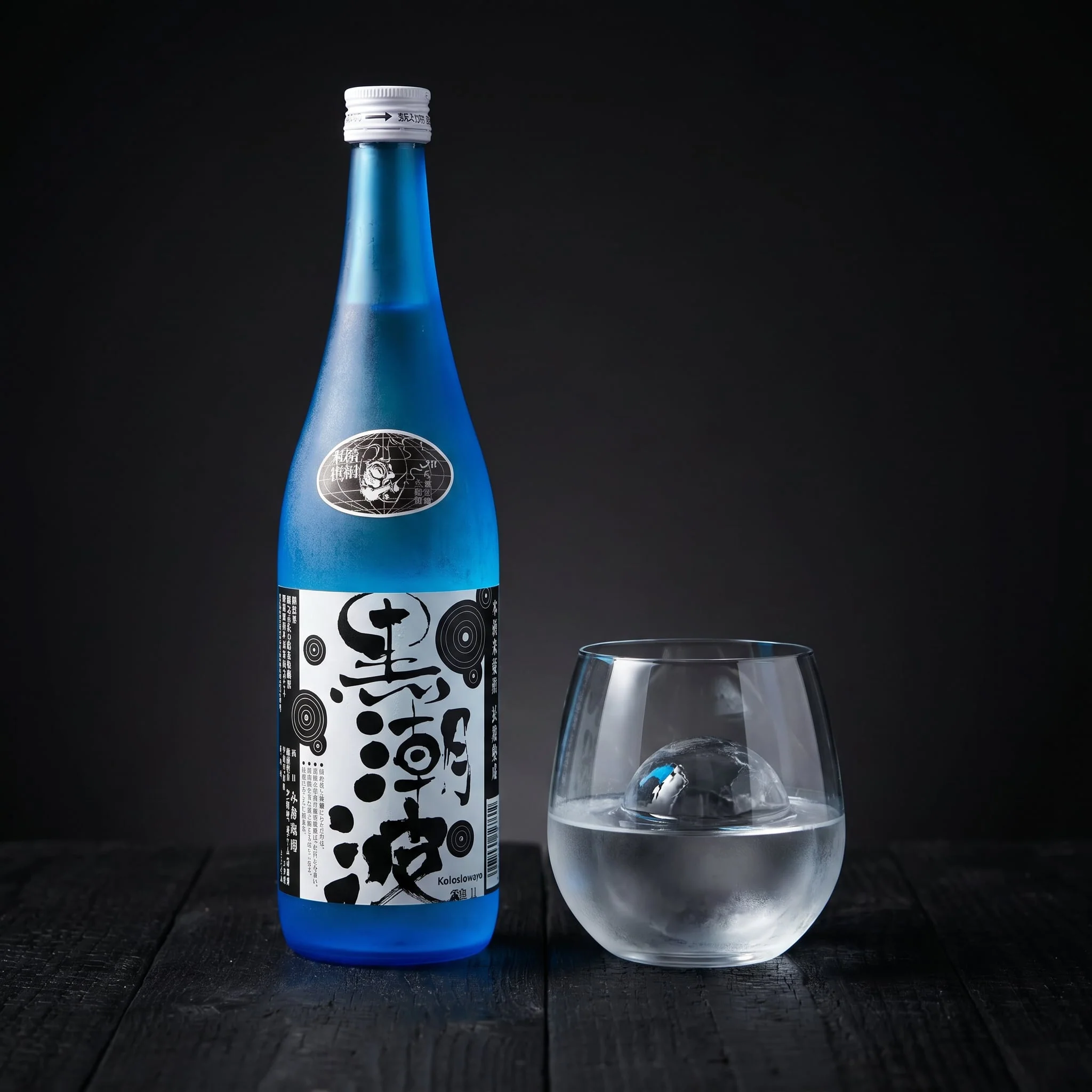
Yoshimura, 15 year aged Rice Shochu, 720ml
A rice shochu aged fifteen years in oak, the rare end of a category most people drink within a year. Soft and rice-led underneath, vanilla and coconut from the cask. Sip it like an aged spirit, not mix it.
Why Chefs Choose This
- Fifteen years in oak, not fifteen weeks: long-aged kome shochu is rare on a UK list, and the cask time is what builds the vanilla and coconut you taste.
- Rice, not barley: made from rice koji and rice only, so it drinks softer and rounder than a smoky mugi (barley) shochu.
- The pour for the whisky drinker who says they don't like shochu: the oak and the age give it a spirit-cabinet weight they recognise.
- From a sake brewery, not a volume distiller: Yoshimura Hideo Shoten has brewed rice in Wakayama for over a century, better known for its Kurumazaka sake, and that rice craft carries into the still.
How to Use
- Neat or over one big rock: the classic way to read a long-aged shochu, letting the oak open up as it warms.
- Oyuwari (cut with hot water): the traditional Japanese serve, roughly six parts shochu to four parts hot water, which lifts the vanilla note.
- As an after-dinner pour: stand it where you would stand an aged rum or a soft whisky, end of service or end of a tasting menu.
- Behind the bar: swap it in where a recipe calls for aged rum or bourbon and you want a lighter, rice-led backbone.
Shochu (焼酎, "burnt liquor") is Japan's distilled spirit, fermented and then distilled, which puts it alongside whisky and brandy rather than sake. This is a kome (米, rice) shochu, made from rice koji and rice, so it sits at the soft, rounded end of the category rather than the earthy sweet-potato or smoky barley end. Honkaku shochu (本格焼酎), the traditional single-distilled class, keeps the character of its base ingredient instead of stripping it out. Yoshimura Hideo Shoten brews in Iwade City, Wakayama, and is better known for its Kurumazaka sake. It has worked with rice for over a century, and that experience is what sits behind this long-aged bottling.
What does Yoshimura 15-year aged rice shochu taste like?
First impression is gentle and round, not sharp. The rice base gives a soft, faintly sweet body, and the fifteen years in oak sit on top of it: vanilla, a hint of coconut, the kind of warm woody note you find in an aged spirit. There is no smoke and no harsh alcohol burn. It is closer to a mellow aged rum or a soft whisky than to a young, fiery shochu. The finish is long and dry, with the cask lingering rather than the rice. What sets this version apart is simply the age. Most shochu reaches you within a year or two; fifteen years in barrel is the rare end of the category, and you taste every one of them.
| Type | Kome shochu (米焼酎, rice shochu), long-aged in oak |
| Brand | Yoshimura Hideo Shoten (吉村秀雄商店), Wakayama |
| Key Feature | Aged 15 years in oak; made from rice koji and rice |
| Origin | Iwade City, Wakayama Prefecture, Japan |
| Format | 720ml glass bottle |
| Best Used As | A sipping spirit, neat, over ice, or oyuwari |
What is the difference between rice shochu and barley shochu?
The base ingredient is the difference. Rice (kome) shochu is distilled from rice and rice koji, which gives a soft, rounded, faintly sweet character. Barley (mugi) shochu is made from barley and tends to be drier, nuttier, and often more toasted or smoky, especially when oak-aged. Both are honkaku (single-distilled) shochu, but they read very differently in the glass. This Yoshimura bottling is a rice shochu, then aged fifteen years in oak, so it keeps the soft rice body and gains the vanilla and coconut notes the cask brings.
Is aged rice shochu strong or smooth?
It is smooth. Shochu is a spirit, so it carries more alcohol than sake, but fifteen years in oak rounds off any rough edges. The rice base is gentle to start with, and the long maturation builds vanilla, coconut and a soft woody warmth rather than heat. There is no smoke and no sharp burn. Drink it the way you would an aged rum or a mellow whisky: neat, over a large piece of ice, or cut with hot water (oyuwari) to open the aroma. Treat it as a sipping spirit, not a mixer.
How should I store rice shochu after opening?
Keep it like any aged spirit. Stand the bottle upright, away from direct sunlight and heat, with the cap firmly on. Shochu is distilled and high enough in alcohol that it keeps well and does not need refrigeration. Unlike sake, there is no rush to finish it once opened; a bottle this age is built to be enjoyed slowly over weeks or months. Cool, dark and upright is all it asks.
Original: $54.96
-65%$54.96
$19.24Yoshimura, 15 year aged Rice Shochu, 720ml
A rice shochu aged fifteen years in oak, the rare end of a category most people drink within a year. Soft and rice-led underneath, vanilla and coconut from the cask. Sip it like an aged spirit, not mix it.
Why Chefs Choose This
- Fifteen years in oak, not fifteen weeks: long-aged kome shochu is rare on a UK list, and the cask time is what builds the vanilla and coconut you taste.
- Rice, not barley: made from rice koji and rice only, so it drinks softer and rounder than a smoky mugi (barley) shochu.
- The pour for the whisky drinker who says they don't like shochu: the oak and the age give it a spirit-cabinet weight they recognise.
- From a sake brewery, not a volume distiller: Yoshimura Hideo Shoten has brewed rice in Wakayama for over a century, better known for its Kurumazaka sake, and that rice craft carries into the still.
How to Use
- Neat or over one big rock: the classic way to read a long-aged shochu, letting the oak open up as it warms.
- Oyuwari (cut with hot water): the traditional Japanese serve, roughly six parts shochu to four parts hot water, which lifts the vanilla note.
- As an after-dinner pour: stand it where you would stand an aged rum or a soft whisky, end of service or end of a tasting menu.
- Behind the bar: swap it in where a recipe calls for aged rum or bourbon and you want a lighter, rice-led backbone.
Shochu (焼酎, "burnt liquor") is Japan's distilled spirit, fermented and then distilled, which puts it alongside whisky and brandy rather than sake. This is a kome (米, rice) shochu, made from rice koji and rice, so it sits at the soft, rounded end of the category rather than the earthy sweet-potato or smoky barley end. Honkaku shochu (本格焼酎), the traditional single-distilled class, keeps the character of its base ingredient instead of stripping it out. Yoshimura Hideo Shoten brews in Iwade City, Wakayama, and is better known for its Kurumazaka sake. It has worked with rice for over a century, and that experience is what sits behind this long-aged bottling.
What does Yoshimura 15-year aged rice shochu taste like?
First impression is gentle and round, not sharp. The rice base gives a soft, faintly sweet body, and the fifteen years in oak sit on top of it: vanilla, a hint of coconut, the kind of warm woody note you find in an aged spirit. There is no smoke and no harsh alcohol burn. It is closer to a mellow aged rum or a soft whisky than to a young, fiery shochu. The finish is long and dry, with the cask lingering rather than the rice. What sets this version apart is simply the age. Most shochu reaches you within a year or two; fifteen years in barrel is the rare end of the category, and you taste every one of them.
| Type | Kome shochu (米焼酎, rice shochu), long-aged in oak |
| Brand | Yoshimura Hideo Shoten (吉村秀雄商店), Wakayama |
| Key Feature | Aged 15 years in oak; made from rice koji and rice |
| Origin | Iwade City, Wakayama Prefecture, Japan |
| Format | 720ml glass bottle |
| Best Used As | A sipping spirit, neat, over ice, or oyuwari |
What is the difference between rice shochu and barley shochu?
The base ingredient is the difference. Rice (kome) shochu is distilled from rice and rice koji, which gives a soft, rounded, faintly sweet character. Barley (mugi) shochu is made from barley and tends to be drier, nuttier, and often more toasted or smoky, especially when oak-aged. Both are honkaku (single-distilled) shochu, but they read very differently in the glass. This Yoshimura bottling is a rice shochu, then aged fifteen years in oak, so it keeps the soft rice body and gains the vanilla and coconut notes the cask brings.
Is aged rice shochu strong or smooth?
It is smooth. Shochu is a spirit, so it carries more alcohol than sake, but fifteen years in oak rounds off any rough edges. The rice base is gentle to start with, and the long maturation builds vanilla, coconut and a soft woody warmth rather than heat. There is no smoke and no sharp burn. Drink it the way you would an aged rum or a mellow whisky: neat, over a large piece of ice, or cut with hot water (oyuwari) to open the aroma. Treat it as a sipping spirit, not a mixer.
How should I store rice shochu after opening?
Keep it like any aged spirit. Stand the bottle upright, away from direct sunlight and heat, with the cap firmly on. Shochu is distilled and high enough in alcohol that it keeps well and does not need refrigeration. Unlike sake, there is no rush to finish it once opened; a bottle this age is built to be enjoyed slowly over weeks or months. Cool, dark and upright is all it asks.
Product Information
Product Information
Shipping & Returns
Shipping & Returns
Description
A rice shochu aged fifteen years in oak, the rare end of a category most people drink within a year. Soft and rice-led underneath, vanilla and coconut from the cask. Sip it like an aged spirit, not mix it.
Why Chefs Choose This
- Fifteen years in oak, not fifteen weeks: long-aged kome shochu is rare on a UK list, and the cask time is what builds the vanilla and coconut you taste.
- Rice, not barley: made from rice koji and rice only, so it drinks softer and rounder than a smoky mugi (barley) shochu.
- The pour for the whisky drinker who says they don't like shochu: the oak and the age give it a spirit-cabinet weight they recognise.
- From a sake brewery, not a volume distiller: Yoshimura Hideo Shoten has brewed rice in Wakayama for over a century, better known for its Kurumazaka sake, and that rice craft carries into the still.
How to Use
- Neat or over one big rock: the classic way to read a long-aged shochu, letting the oak open up as it warms.
- Oyuwari (cut with hot water): the traditional Japanese serve, roughly six parts shochu to four parts hot water, which lifts the vanilla note.
- As an after-dinner pour: stand it where you would stand an aged rum or a soft whisky, end of service or end of a tasting menu.
- Behind the bar: swap it in where a recipe calls for aged rum or bourbon and you want a lighter, rice-led backbone.
Shochu (焼酎, "burnt liquor") is Japan's distilled spirit, fermented and then distilled, which puts it alongside whisky and brandy rather than sake. This is a kome (米, rice) shochu, made from rice koji and rice, so it sits at the soft, rounded end of the category rather than the earthy sweet-potato or smoky barley end. Honkaku shochu (本格焼酎), the traditional single-distilled class, keeps the character of its base ingredient instead of stripping it out. Yoshimura Hideo Shoten brews in Iwade City, Wakayama, and is better known for its Kurumazaka sake. It has worked with rice for over a century, and that experience is what sits behind this long-aged bottling.
What does Yoshimura 15-year aged rice shochu taste like?
First impression is gentle and round, not sharp. The rice base gives a soft, faintly sweet body, and the fifteen years in oak sit on top of it: vanilla, a hint of coconut, the kind of warm woody note you find in an aged spirit. There is no smoke and no harsh alcohol burn. It is closer to a mellow aged rum or a soft whisky than to a young, fiery shochu. The finish is long and dry, with the cask lingering rather than the rice. What sets this version apart is simply the age. Most shochu reaches you within a year or two; fifteen years in barrel is the rare end of the category, and you taste every one of them.
| Type | Kome shochu (米焼酎, rice shochu), long-aged in oak |
| Brand | Yoshimura Hideo Shoten (吉村秀雄商店), Wakayama |
| Key Feature | Aged 15 years in oak; made from rice koji and rice |
| Origin | Iwade City, Wakayama Prefecture, Japan |
| Format | 720ml glass bottle |
| Best Used As | A sipping spirit, neat, over ice, or oyuwari |
What is the difference between rice shochu and barley shochu?
The base ingredient is the difference. Rice (kome) shochu is distilled from rice and rice koji, which gives a soft, rounded, faintly sweet character. Barley (mugi) shochu is made from barley and tends to be drier, nuttier, and often more toasted or smoky, especially when oak-aged. Both are honkaku (single-distilled) shochu, but they read very differently in the glass. This Yoshimura bottling is a rice shochu, then aged fifteen years in oak, so it keeps the soft rice body and gains the vanilla and coconut notes the cask brings.
Is aged rice shochu strong or smooth?
It is smooth. Shochu is a spirit, so it carries more alcohol than sake, but fifteen years in oak rounds off any rough edges. The rice base is gentle to start with, and the long maturation builds vanilla, coconut and a soft woody warmth rather than heat. There is no smoke and no sharp burn. Drink it the way you would an aged rum or a mellow whisky: neat, over a large piece of ice, or cut with hot water (oyuwari) to open the aroma. Treat it as a sipping spirit, not a mixer.
How should I store rice shochu after opening?
Keep it like any aged spirit. Stand the bottle upright, away from direct sunlight and heat, with the cap firmly on. Shochu is distilled and high enough in alcohol that it keeps well and does not need refrigeration. Unlike sake, there is no rush to finish it once opened; a bottle this age is built to be enjoyed slowly over weeks or months. Cool, dark and upright is all it asks.